
ENTERTAINMENT
China Cleans Up the Real-Life ‘Avatar’ Mountains After Viral Trash Dump Scandal

China has removed more than 50 tonnes of waste from caves in the iconic Zhangjiajie park—an ecological cleanup a decade overdue. The trash mountain went viral, shaming local officials into action.
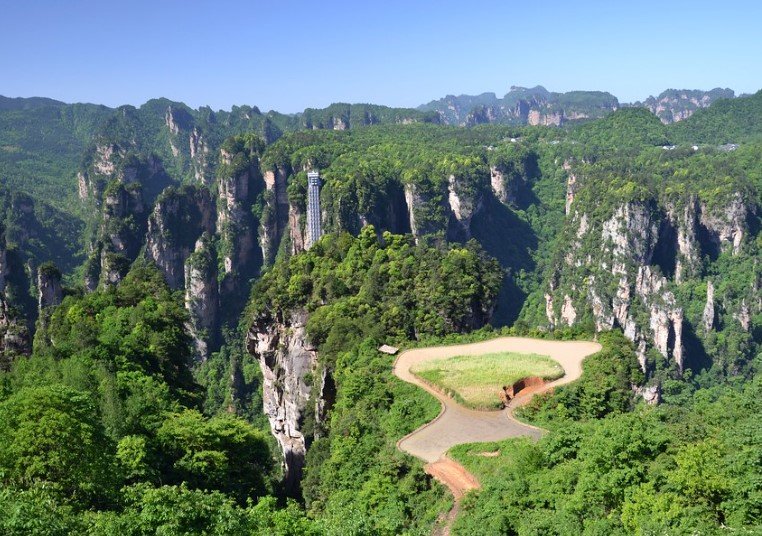
It’s the kind of story that mixes natural beauty with man-made negligence. Tucked into China’s southern Hunan province, the Zhangjiajie National Forest Park—yes, the same one that inspired Avatar’s floating Hallelujah Mountains—is reeling from years of quiet degradation. Videos showing towering piles of garbage hidden in nearby caves jolted the public this week, revealing a mess that’s been festering since the early 2010s.
No blue-skinned Na’vi here—just blackened plastic, rotting debris, and enough stench to choke a mountain goat.
A Decade of Neglect Triggers Online Uproar
The scandal broke not with a bang, but with a scroll. On Chinese social media, clips began circulating that showed the interior of the Datiankeng and Yangjiapo caves, where waste was heaped seven to eight stories high.
It didn’t take long before state broadcaster CCTV picked it up. Within hours, the term “trash mountain in Avatar park” was trending across Weibo and WeChat.
The images were horrifying. Centuries-old caves, meant to echo with dripping water and bird calls, had become open sewers clogged with discarded bags, plastic bottles, and the occasional mattress. Worse, some of it was leaching into the surrounding ecosystem.
Officials were quick to respond. On Sunday, administrators in Cili county admitted the dump existed, and they had cleared 51 tonnes of waste in a sweeping emergency operation.
Why the Garbage Piled Up in the First Place
So, how did a UNESCO-listed park end up with such a disgrace on its doorstep? The story’s more bureaucratic than sinister.
Back in 2010, the local government banned open-air incineration to curb toxic emissions. That sounds like progress—until you hear the next part. A replacement system for waste collection wasn’t rolled out until years later.
That created a gap. And in rural China, gaps often get filled the old-fashioned way: toss the garbage in a hole.
Villagers began dumping waste in caves that were, at the time, largely unmonitored. Out of sight, out of mind. No one raised the alarm until now.
One sentence, but it says everything about rural infrastructure.
The Avatar Connection Adds Global Attention
Zhangjiajie isn’t just any park. Its vertical quartzite pillars—some shooting over 1,000 feet into the mist—formed the visual backbone of Avatar’s floating mountains. Director James Cameron reportedly sent a team to study the region in 2008. By 2009, his film had immortalized the landscape.
And that brought the tourists.
Between 2010 and 2019, Zhangjiajie welcomed over 80 million visitors. Hotels mushroomed. Roads expanded. Trash mounted.
The pandemic cooled things, but not for long. With China now open for business, the numbers are rising again. And with them, the pressure to keep things clean.
Cleanup Done, But Damage Lingers
Officials say the trash is gone. And they’ve even disinfected the caves. But the ecological footprint left behind is harder to erase.
Environmentalists warn that the underground water table in the area could have been tainted. Zhangjiajie is a karst landscape—porous and fragile. Once contaminants seep in, they’re tough to trace and even harder to reverse.
There’s no public report yet on soil or water testing.
“It’s not just an eyesore, it’s a time bomb,” said one anonymous ecologist quoted by a local outlet. “You can’t just sweep this under the rug.”
One sentence here feels necessary: Image matters, but ecosystems don’t lie.
Public Embarrassment Sparks Broader Review
Shamed by the spotlight, local governments across Hunan have launched their own audits of rural waste sites. It’s a quiet scramble.
And not just in Zhangjiajie. Multiple provinces have quietly admitted to similar issues—waste pits, unauthorized landfills, and unmapped dumps near protected areas.
There’s also buzz online about “Greenwashing” in tourism-heavy areas, where the visible zones are pristine but the backyards are toxic.
Some actual results from the embarrassment include:
-
Three local officials reportedly suspended pending further inquiry.
-
Cili county’s 2025 waste management budget increased by 27%.
-
An anonymous donor offered ¥2 million (approx. $275,000) for ongoing environmental monitoring.
But even these wins feel like damage control, not reform.
A Reminder That Natural Wonders Need More Than Instagram Filters
This cleanup saga is a brutal reminder of a common truth: protecting natural beauty isn’t just about keeping the trails swept and the selfie spots clean. It’s about what you don’t see.
Zhangjiajie may be a fantasy made real—but it lives in a real country, with real challenges. Waste management, particularly in rural and mountainous regions, often falls between the cracks of urban planning and rural neglect.
There’s no villain here, just a chain of short-sighted decisions.
And in the background, the surreal spires of Zhangjiajie still pierce the clouds, just like they did in Avatar. But now, at least, they’re not sitting on top of a hidden garbage dump.

Nestlé Builds a Brazil Formula Plant to Cut Chile Imports

Xbox Puts 15-Hour Caps on Game Pass Cloud Play

EU Airports Lose the EES Pause With Winter Ahead

G20 Cheers AI Investment After Bailey’s Frontier Cyber Warning

The Yankees Bet Aaron Judge Can Skip the Minors
G20 Cheers AI Investment After Bailey’s Frontier Cyber Warning
The Yankees Bet Aaron Judge Can Skip the Minors
Xbox Puts 15-Hour Caps on Game Pass Cloud Play

Sterling Point Holds No. 2 on Prime Video After 32 Days

The NHL’s New CBA Lands First on Staff Goalies
-
 NEWS1 week ago
G20 Cheers AI Investment After Bailey’s Frontier Cyber Warning
-
 NEWS1 week ago
The Yankees Bet Aaron Judge Can Skip the Minors
-
 GAMING1 week ago
Xbox Puts 15-Hour Caps on Game Pass Cloud Play
-
 ENTERTAINMENT1 week ago
Sterling Point Holds No. 2 on Prime Video After 32 Days
-
 NEWS1 week ago
The NHL’s New CBA Lands First on Staff Goalies
-
 BUSINESS1 week ago
Nestlé Builds a Brazil Formula Plant to Cut Chile Imports
-

 NEWS6 months ago
Padel Hits the Big Leagues: Official Medal Sport for 2026 Asian Games
-

 NEWS4 months ago
Saddleback Collapse Exposes UK Cycling’s Distributor Squeeze