
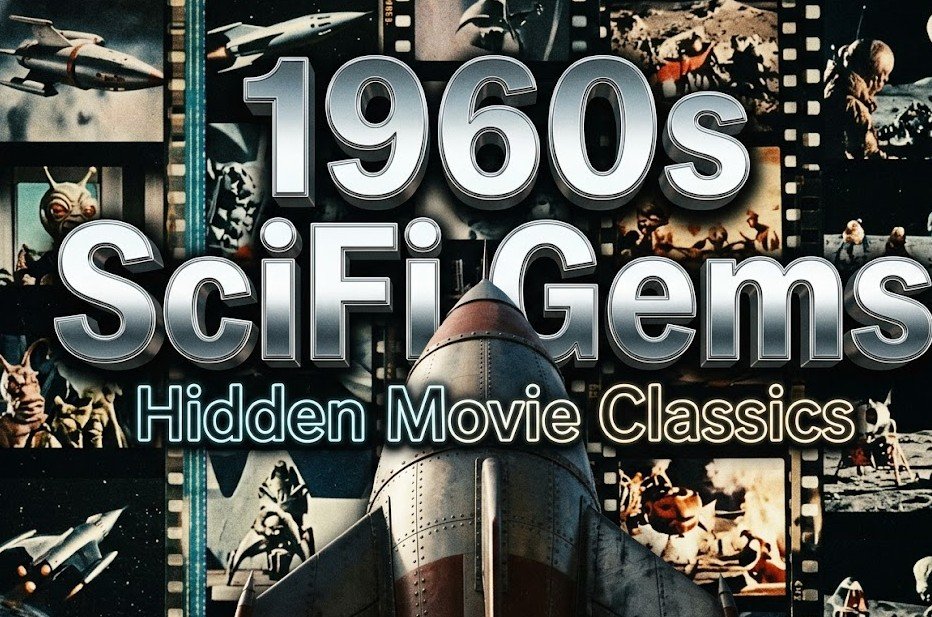
These hidden science fiction movie gems from the 1960s are surprising, imaginative and absolutely worth watching today
In the shadow of cinematic giants like Star Trek and 2001 A Space Odyssey, a handful of quirky, bold sci‑fi films from the 1960s slipped under the mainstream radar. These overlooked titles may be low budget or weird, but each contains a spark of creativity that keeps them compelling for curious viewers even now. From moon nudist civilizations to invisible criminals and weird alien plots, here are five lesser‑known films that still feel fresh and entertaining decades after their release.
A Strange Moon Adventure With a Cult Following
Nude on the Moon (1961) may sound like a campy curiosity but it stands as a fascinating relic of 1960s sci‑fi experimentation. The plot follows a pair of scientists who build a rocket and land on the Moon, where they discover a civilization of topless extraterrestrials ruled by a telepathic Moon Queen. It combines bizarre fantasy with nudist film conventions of the era, creating an unintentionally hilarious yet culturally revealing experience about social attitudes toward sexuality and exploration in early space age cinema. The film’s goofy premise and odd charm have cemented it as a cult classic that viewers often revisit for its sheer strangeness.
Invisible Villains and Double Features
The Amazing Transparent Man (1960) delivers classic B‑movie sci‑fi thrills with a twist. This low‑budget thriller showcases an ex–army major using an escaped convict to steal materials needed to improve a scientist’s invisibility machine. What follows is a bizarre mix of crime caper and science fiction that leans hard into old school genre filmmaking. Directed by Edgar G. Ulmer and shot back‑to‑back with Beyond the Time Barrier, the film may be rough around the edges, but its embrace of offbeat ideas and old‑fashioned charm keeps it surprisingly entertaining for fans of retro sci‑fi.
Time and Mutants in a Post‑Apocalyptic World
Also directed by Ulmer in 1960, Beyond the Time Barrier throws viewers into a dystopian future where an Air Force major finds humanity heavily mutated and struggling after a mysterious plague. Shot on a tiny budget with fast production schedules, it could easily have vanished into obscurity. Yet the film’s raw, stripped‑down depiction of a ruined world gives it a haunting edge that remains intriguing today, especially for those who enjoy sci‑fi that blends speculative ideas with resourceful filmmaking.
Aliens with Strange Plans at Cape Canaveral
The Cape Canaveral Monsters (1960) shifts the focus from Earth’s woes to alien invasion in a delightfully quirky way. This black‑and‑white sci‑fi tells the story of two extraterrestrials who land on Earth with intentions that are part espionage, part strange romance. Their mission is to transmit humans back to their home planet and disrupt rocket launches from Cape Canaveral. Though it never achieved mainstream acclaim, the film stands as a snapshot of early space race cultural anxieties and imagination, offering a playful look at alien contact narratives common in early decade sci‑fi.
A Philosophical Journey to Venus
The Silent Star (First Spaceship on Venus) (1960) gives audiences a more thoughtful take on space exploration. Based on a novel by the celebrated Polish author Stanisław Lem, this East German/Polish co‑production follows a human mission to Venus after discovering an ancient flight recorder. What they find there is a dead civilization that once planned Earth’s destruction. The film reflects deeper questions about humanity’s future, war and discovery in ways that still resonate. Its atmospheric approach and serious themes make it feel more ambitious than many of its contemporaries.
Why These Films Matter Today
Unlike big studio sci‑fi classics, these films were often made with limited budgets and resources. Yet each carried bold ideas about space, humanity and the unknown that were bigger than their production values. Together they represent a side of 1960s science fiction that was willing to experiment, to confuse, to entertain and to surprise. For modern viewers, revisiting these titles is like opening a time capsule that shows how imaginative filmmakers worked within constraints to push the genre forward.
Whether you are a fan of vintage cinema, a sci‑fi enthusiast or just someone curious about strange and wonderful films from the past, these forgotten movies offer fresh surprises and rich viewing experiences. They remind us that great idea cinema can come in unexpected packages, and that sometimes the strangest stories are the most fun to rediscover.