Samsung’s Galaxy S26 Ultra grabbed roughly four out of every five Galaxy S26 preorders this year. Google’s answer to that dominance lands August 12, built on a chip, a modem and a camera system the company has never shipped together before.
Samsung told investors preorder volume jumped nearly 25% over the prior generation, with the Ultra alone pulling in 80% of those orders. The Pixel 11 Pro XL has to answer that record with leaks, CAD renders and three hardware bets Google has never had to make all at once.
What Google Has Actually Confirmed for August 12
One detail is locked down. Google will hold its next Made by Google event on August 12, 2026, at 6 p.m. Eastern time in New York City, confirmed through press invitations sent to outlets including The Verge.
The show starts at 3 p.m. Pacific and 11 p.m. in the UK, eight days earlier than last year’s Pixel 10 reveal. Four phones are expected on stage: the Pixel 11, Pixel 11 Pro, Pixel 11 Pro XL and Pixel 11 Pro Fold, alongside a new Pixel Watch 5 rumored to swap its Snapdragon chip for a Tensor processor. Retail availability is rumored for August 20, according to French pricing outlet Dealabs, with preorders opening the day of the show.
Leaked India pricing and launch window details point to a similar rollout timeline outside the US, though nothing is official yet.
What we know:
- Google will hold its Made by Google event on August 12, 2026, at 6 p.m. Eastern time in New York City.
- Android 17 ships with Gemini Intelligence, able to run multi-step tasks across different apps.
- The lineup expands to four phones again: Pixel 11, Pixel 11 Pro, Pixel 11 Pro XL and Pixel 11 Pro Fold.
What’s unconfirmed:
- Final US pricing for the Pixel 11 Pro XL beyond a leaked Amazon listing.
- Whether the new MediaTek M90 modem actually fixes years of Pixel connectivity complaints.
- Exact battery capacity, with leaked figures ranging from 4,850mAh to 5,115mAh depending on the model and the source.
Google has not commented on any of it.
Three Bets Baked Into the Tensor G6
Set the marketing aside and the Pixel 11 Pro XL is a bigger gamble than usual. Google is changing the modem, the chip’s manufacturing process and two of the phone’s three rear cameras in the same generation, something it rarely does all at once.
- A new modem. Tensor G6 reportedly drops Samsung’s Exynos modem for a MediaTek M90, ending a pairing that leakers and outlets including 9to5Google have tied to years of Pixel connectivity dropouts and thermal complaints.
- A new chip node. The processor is expected to move to a 2nm process built by TSMC, the Taiwan-based foundry, using an unusual seven-core layout: one high-clock prime core, four performance cores and two efficiency cores.
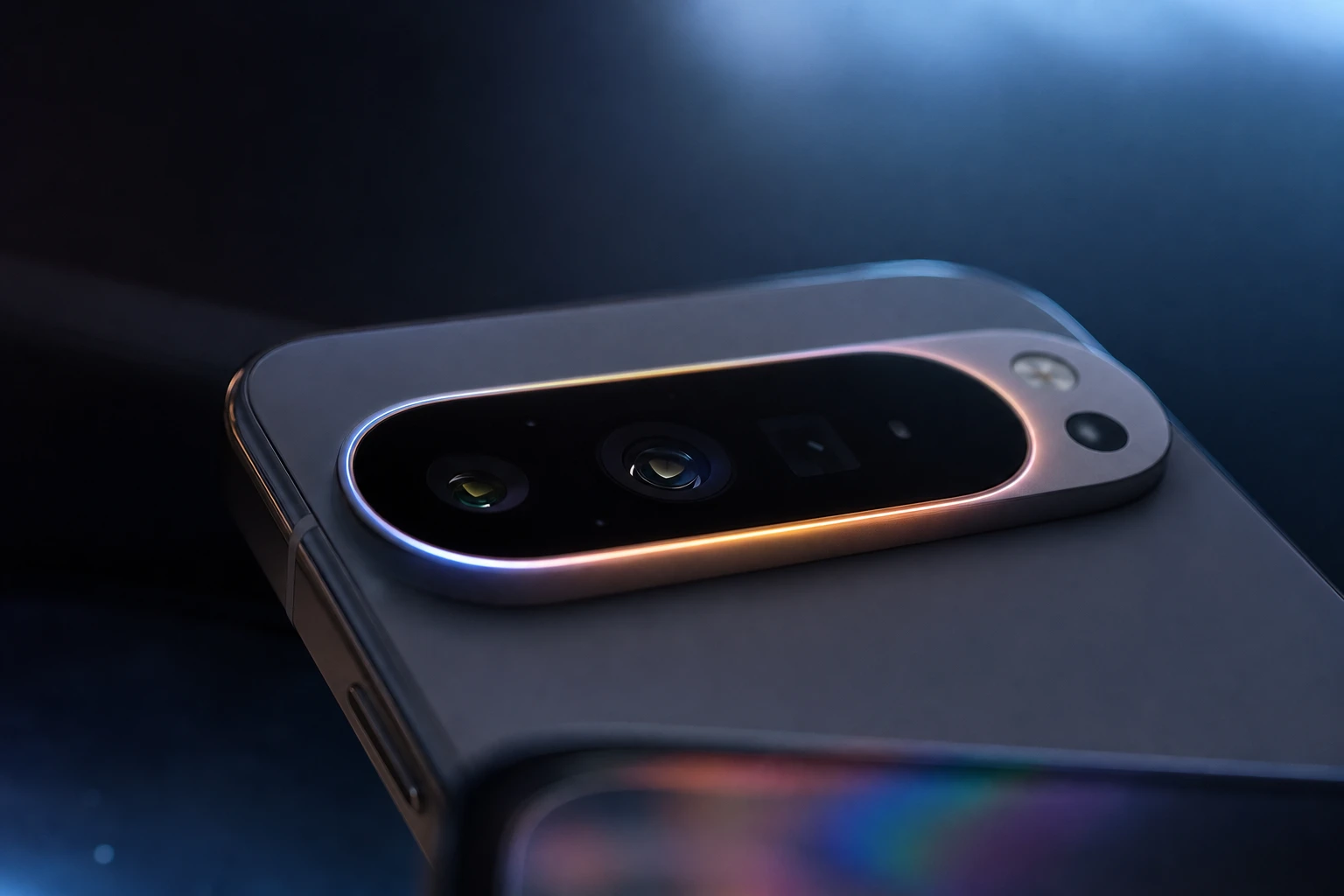
- New camera hardware. The main and telephoto sensors, internally codenamed bastet and barghest, are being swapped out entirely and paired with a new image processor Google calls GXP, built directly into the chip.
None of that has shipped in a Pixel before. Last year’s Pixel 10 Pro XL review found real gains from Qi2 charging and on-device AI, but this year swaps out far more hardware at once, and whether it all works together only becomes clear once reviewers get units in hand.
The Camera Gamble Nobody Can Test Yet
Camera performance is where most buyers will decide. Google is replacing two of the Pixel 11 Pro XL’s three rear cameras with new sensors, pushing toward a 50-megapixel-class main sensor across the Pro lineup.
That is three separate bets stacked on each other: new sensors, a new image processor and a new chip process, all needing to mature inside the same software cycle. Any one of them slipping could cost Google a full generation of reviews.
Samsung’s camera system carries none of that risk. The Galaxy S26 Ultra’s 200-megapixel main sensor and 5x periscope zoom are refinements of hardware already two generations deep. Google isn’t just chasing sharper photos, either. It is chasing a company that just reclaimed the global smartphone shipments crown in the first quarter, with its market share climbing to 22%, according to Omdia data.
The Rumored Spec Sheet, Side by Side
Strip away the marketing and the two phones line up like this on paper, one shipping since March, one still built from leaks.
| Category | Samsung Galaxy S26 Ultra (shipping) | Google Pixel 11 Pro XL (rumored) |
|---|---|---|
| Chip | Snapdragon 8 Elite Gen 5 for Galaxy | Tensor G6, 2nm TSMC node, seven-core layout |
| Modem | Qualcomm 5G platform | MediaTek M90, replacing Samsung’s Exynos modem |
| RAM | 12GB or 16GB | 12GB base tier, 16GB on higher storage (leaked) |
| Storage | 256GB, 512GB or 1TB | 256GB, 512GB or 1TB (leaked, no 128GB tier) |
| Main cameras | 200MP wide, 50MP ultrawide, 10MP 3x tele, 50MP 5x periscope | New 50MP-class wide (bastet) and periscope tele (barghest) sensors |
| Battery | 5,000mAh | Around 5,115mAh (leaked) |
| Wired charging | 60W | 45W, no upgrade rumored |
| Starting price | $1,299, unchanged from Galaxy S25 Ultra | About $1,299 for 256GB, up roughly $100 (leaked) |
Both phones now split RAM by storage tier, 12GB on the cheapest configuration and 16GB above it. That’s a first for the Pixel line, and it lines up with reports that global memory chip prices jumped roughly 90% in a single quarter, squeezing every flagship maker’s margins at once.
Samsung Already Won This Round on Preorders
None of Google’s bets have to pay off for Samsung to call this cycle a win. The Galaxy S26 Ultra banked its numbers back in March.
- 80% of Galaxy S26 preorders went to the Ultra model alone, Samsung said in its own release.
- 1.35 million Galaxy S26 preorders landed in South Korea within seven days, topping the Galaxy S25’s 1.3 million mark set over eleven days, Forbes reported.
- 60% to 80% is the range multiple outlets put on the Ultra’s share of total S26 sales, up from roughly half of the lineup in prior years.
Yonhap News Agency flagged strong early Ultra demand in South Korea before Samsung’s global figures confirmed the tilt toward the top-tier model. Samsung also raised production in April after the Ultra kept outselling internal forecasts, and research firms including Counterpoint and IDC have tracked this same premiumization trend across the Android market for years.
Why Is the Pixel 11 Pro XL Getting More Expensive?
Leaked pricing puts the Pixel 11 Pro XL’s 256GB model at $1,299, with $1,419 and $1,649 tiers above it, roughly $100 more than the equivalent Pixel 10 Pro XL configurations. A global memory chip shortage is driving the increase, and Google is reportedly turning to Chinese memory maker CXMT for cheaper RAM to soften the hit.
Samsung faced the identical cost pressure and made the opposite call. It held the Galaxy S26 Ultra’s price flat at $1,299, the same as the Galaxy S25 Ultra, while raising the cheaper S26 and S26 Plus by $100 each.
A Samsung executive told a Forbes contributor that the increases were justified by new features, chiefly the Privacy Display, a screen Samsung describes as controlling how pixels disperse light so the display stays sharp head on while distorting from the side.
Google doesn’t have an equivalent showpiece yet. The closest rumored feature, Pixel Glow, is an ambient LED ring around the camera bar that reacts to calls or Gemini prompts, replacing the rear temperature sensor Google is quietly retiring. A hands-on look at the Privacy Display’s real-world tradeoffs found reduced brightness and a chromatic aberration-like effect at wide viewing angles, so Samsung’s marquee feature isn’t flawless either. But it is shipping, tested and already driving sales, while Google is still asking buyers to pay more for a light that blinks.
Frequently Asked Questions
When is the Google Pixel 11 Pro XL launch event?
Google confirmed its Made by Google event for August 12, 2026, at 6 p.m. Eastern time in New York City. That translates to roughly 3:30 a.m. India time on August 13 and 11 p.m. in the UK the same night, eight days earlier than the Pixel 10’s reveal last year.
How much will the Pixel 11 Pro XL cost?
Leaked pricing points to $899 for the base Pixel 11, $1,099 for the Pixel 11 Pro, and $1,299 to start for the Pro XL, each roughly $100 above last year’s equivalent models, with the 128GB storage tier eliminated across the entire lineup.
What is Pixel Glow?
Pixel Glow is a rumored ring of RGB LED lighting built into the camera bar that flashes different colors for notifications, calls or Gemini responses, similar in concept to Nothing’s Glyph interface. It reportedly replaces the rear temperature sensor found on Pixel 10 Pro models, and it briefly appeared on a prototype during a Google I/O keynote before the company confirmed anything publicly.
Why did Samsung freeze the Galaxy S26 Ultra’s price?
Samsung held the Ultra at $1,299, matching the Galaxy S25 Ultra, even as it raised the base Galaxy S26 and S26 Plus by $100 each. A Samsung executive said the flagship’s price stayed put because new features like the Privacy Display already justified the cost elsewhere in the lineup.
Does the Galaxy S26 Ultra’s Privacy Display have downsides?
Yes. Samsung’s own materials note that image quality can shift outside the viewing range when the feature is active, and hands-on testing has found reduced brightness plus a chromatic aberration-like effect at wide angles. Some users have also reported discomfort tied to the screen’s dimming pattern.
Will the Pixel 11 Pro XL’s camera actually beat the Galaxy S26 Ultra?
Nobody outside Google knows yet. The Pixel 11 Pro XL is swapping two of its three rear cameras for new sensors, a bigger hardware change than Samsung made to the Galaxy S26 Ultra’s already two-generation-old camera system, so the only verdict that will matter arrives after August 12, once reviewers get a unit in hand.