
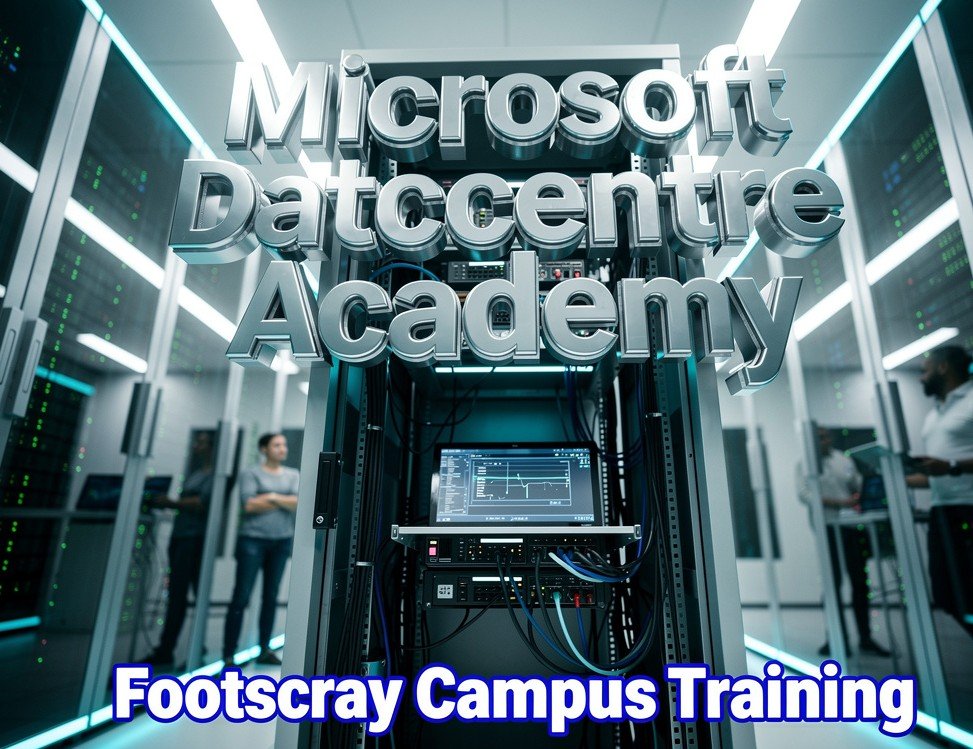
Microsoft and Victoria University have officially opened the first Datacentre Academy in the state of Victoria as part of a major push to build a skilled workforce ready for digital infrastructure jobs. This new free training program aims to fill a growing gap in skilled workers needed to support cloud computing, artificial intelligence systems and data centre operations across Australia.
In a move that bridges education and industry needs, the academy welcomes its first cohort of 48 students at the Footscray Nicholson Campus in Melbourne’s west and offers hands‑on training, industry certification and mentoring to prepare students for jobs with high demand and promising future careers.
Meeting a Growing Need for Skilled Data Centre Jobs
Australia’s digital industry is expanding fast and so is the demand for technicians who can build, manage and maintain the infrastructure that supports cloud services, streaming platforms and advanced computing systems. Projections from the program’s backers estimate that the country will need more than 8,300 skilled workers to operate data centre sites by 2030.
Data centres are facilities filled with servers and networking equipment that store and process the data behind apps, online content, business systems and artificial intelligence tools. Without people trained to keep these facilities running smoothly, digital growth can slow or become unstable. Microsoft itself now operates hundreds of data centres globally, including several in Australia that contribute to local economies by creating technical and construction jobs.
Victoria’s new Datacentre Academy has been developed to close this gap by giving students practical experience and industry‑aligned credentials, helping them step directly into jobs that are essential to today’s tech economy.
Two Tailored Courses with Hands‑On Skills
The academy offers two fee‑free short courses, each designed to give students real skills that employers value.
- Datacentre Essentials is a 12‑week course for people with basic IT knowledge who want to learn how data centres operate. Students learn about infrastructure, safety and security in data centre environments and work in a simulated lab setting to put those lessons into practice.
- Critical Environment Technician runs for 16 weeks and goes deeper into specialist tasks like monitoring and maintaining critical systems. This course includes training on a purpose‑built simulator that replicates a real data hall environment, including server installation, configuration and connectivity.
Both courses also include mentoring from Microsoft staff and other tech leaders, industry recognised certifications and employment‑readiness support. Students will also take part in a recruitment day to meet potential employers and explore job opportunities with partner organisations.
Government, Industry and Community Support
The programme is supported by a matched grant from the Victorian Department of Jobs, Skills, Industry and Regions, reflecting the state government’s commitment to skills development and economic growth.
At the official opening of the academy, Danny Pearson, the Victorian Minister for Economic Growth and Jobs, emphasised the importance of equipping local people with skills for the future. He said the initiative supports the state’s ambition to become a hub for artificial intelligence and tech talent by addressing critical skills shortages.
Microsoft executives also highlighted the role of the programme in preparing workers for long‑term careers in technology. According to John Galligan, General Manager of Corporate and External Affairs for Microsoft Australia and New Zealand, the academy builds on similar initiatives in other parts of the country and reinforces Microsoft’s pledge to invest in local training and workforce development.
Stories from the First Cohort
Students in the programme come from diverse backgrounds, bringing fresh perspectives and ambitions to the tech sector. One early student, Jovi Lardizabel, shifted into the academy after years working in administrative roles. She said the training has given her a pathway back into IT work and renewed confidence to pursue a career in technology.
These personal stories illustrate how targeted education programs can transform lives while also meeting industry demand, especially at a time when traditional talent pipelines have struggled to keep pace with rapid digital growth.
Data Centres and the Broader Digital Economy
The launch of the Datacentre Academy comes amid a broader boom in data centre construction and digital investments in Victoria. As companies like Microsoft and other cloud providers expand their infrastructure in Australia, local communities are witnessing both economic opportunity and challenges. Data centres can bring jobs and investment, but they also raise discussions around resource usage, energy and local planning.
Experts say training programs such as the one launched by Microsoft and Victoria University are crucial for ensuring that regional and urban workforces benefit from the shift to digital infrastructure. Without meaningful workforce development, many of the high‑growth jobs created by tech investment can go to workers from outside the region or overseas.
In addition, having skilled local workers supports economic resilience and gives students pathways into technology careers that were once difficult to access without specialised training.
Victoria’s new academy is expected to serve as a model for further collaborations between industry and education across Australia, showing how tailored training can produce job‑ready talent for digital infrastructure and related sectors.
As the digital world continues to grow, this academy could play a key role in helping more Australians become part of the next wave of technology professionals.
We would love to hear what you think about this new training programme. Comment your opinion on whether initiatives like the Datacentre Academy can help build local tech careers and use hashtag #VicDataSkills to share your thoughts with your friends and family on social media.