Azealia Banks, the American rapper behind the 2011 club anthem 212, says she has been invited to The Spectator’s summer party in London on July 3, and the magazine’s editor, Michael Gove, a former Conservative cabinet minister, replied to her with two words: “Looking forward!” Banks announced the trip on X on Saturday, writing “Ill be in London July 3 for @spectator,” turning a routine media garden party into a transatlantic culture-war talking point within hours.
The endorsement is a coup of sorts for a magazine that thrives on being talked about. It also carries an awkward footnote: only weeks earlier, Banks had been trading insults online with one of The Spectator’s own columnists over a headline about the very politician she now champions.
The RSVP That Traveled Across the Atlantic
Banks made the announcement in characteristically blunt fashion. Gove, who took over as editor late last year, answered publicly and warmly, and the exchange ricocheted across British political X within the day.
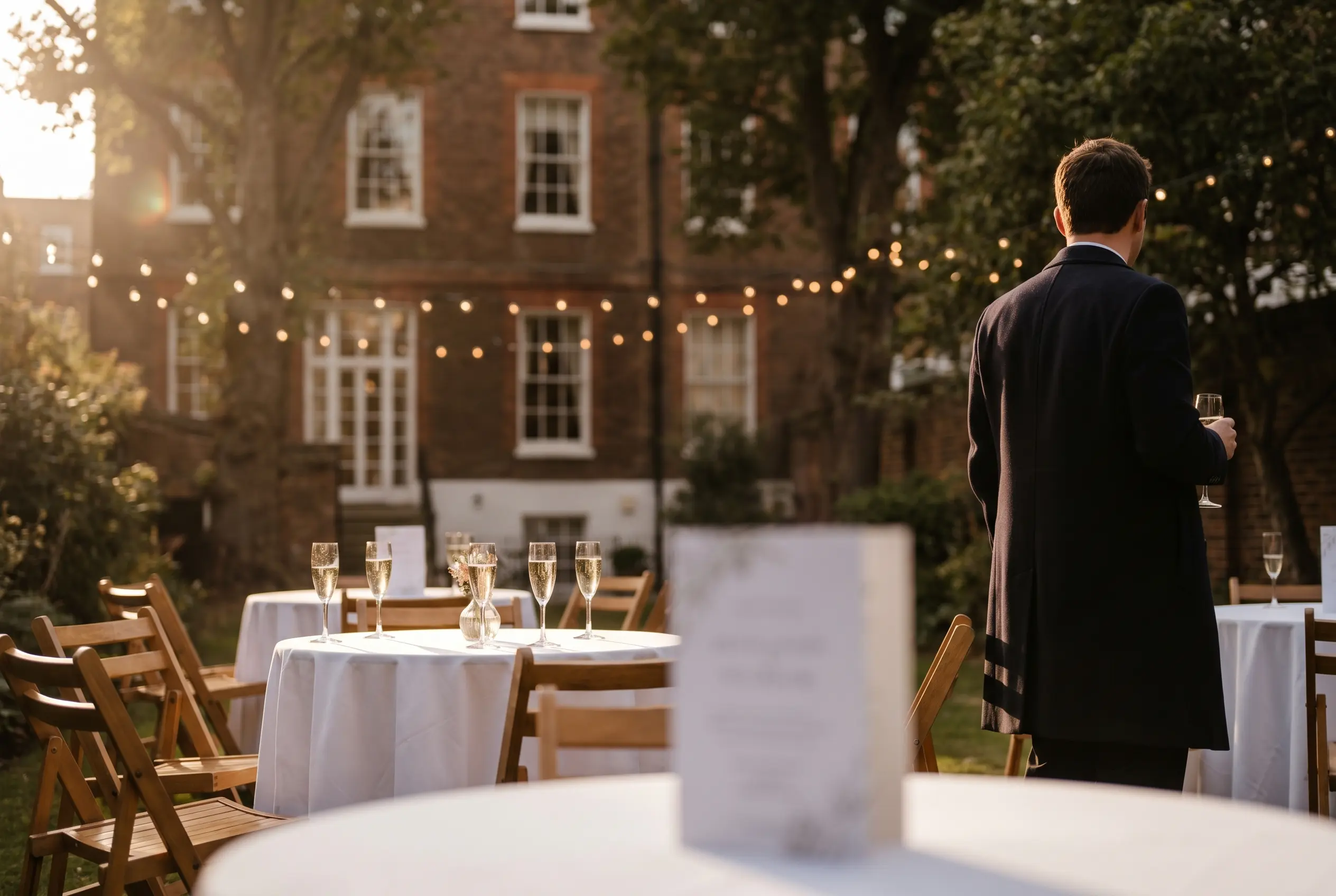
The annual party is a fixture of the Westminster summer social calendar. It is held in the garden behind the magazine’s offices on Old Queen Street, where members of Parliament, special advisers, broadcasters and columnists crowd in for an evening of champagne and gossip. Recent guest lists have included figures as varied as Nigel Farage, health secretary Wes Streeting and the psychologist Jordan Peterson.
This year’s gathering carries extra weight because it is the first summer party staged under Gove’s editorship. Landing a viral name from American pop culture, unprompted and on social media, is exactly the kind of buzz a new editor wants. Whether Banks actually walks through the garden gate on the night is another matter entirely.
From 212 to the Culture-War Front Row
Banks, who is 32, built her reputation on a single song and an outsized online presence. 212, her debut single, became a defining track of the early 2010s and later landed on Rolling Stone’s 2021 list of the 500 Greatest Songs of All Time. Her 2014 studio album, Broke with Expensive Taste, drew critical praise, though her recorded output since has been sparse.
What kept her famous was rarely the music. The New York performer has feuded publicly with a long roster of stars, among them Nicki Minaj, the former One Direction singer Zayn Malik and Lana Del Rey. She has also drawn repeated accusations of homophobic, transphobic and xenophobic comments over the years, and her politics have swung hard and loudly.
She endorsed Donald Trump in 2016, then publicly turned on him during his second term, calling it a disaster and saying she regretted backing him. That pattern matters here. An endorsement from Banks is loud, it travels, and it is rarely stable for long.
The Beef With the Magazine She’s About to Visit
The irony of the invitation is that Banks had already aimed her fire at The Spectator. On May 17, she turned on Gareth Roberts, a television scriptwriter and columnist for the magazine, after he wrote a piece praising Kemi Badenoch, the Conservative party leader.
The trigger was a headline, not the article itself. Roberts had written a Daily Telegraph column applauding Badenoch’s Commons performance, and an editor had topped it with a line riffing on Minaj’s enthusiasm for the Tory leader. Banks objected, calling Roberts a “garbage pail kid” and worse. Roberts, who said he was unfamiliar with her work, suspected she had not read past the headline. He took it in stride.
While being the target of a rap beef is an unusual experience, it is at least a new one. I cheerfully accept the criticism.
That was Roberts, writing in The Spectator about the rapper’s online dispute with one of its columnists. Weeks later, the same magazine extended a party invitation to the woman who had called him names. It is a small story that captures how the title now operates: turn the noise into content, then invite the noise in for a drink.
Badenoch’s Unlikely Celebrity Coalition
Banks is not the only American rapper to have adopted Badenoch as a cause. Minaj, with whom Banks has feuded for years, posted her own praise after watching the Tory leader spar with Streeting in the Commons, comparing Badenoch to Margaret Thatcher and predicting she would one day be portrayed on screen.
Banks went further still. In April she shared a clip of Badenoch speaking in Parliament with the caption that the leader was “iconic” and would earn more international respect than Farage, whom she dismissed as a “goofball.” In May she added a near-apology to British followers: “I hope you all vote conservative and Listen to Kemi Badenoch,” and called her “a star.”
Here is how the two endorsements line up.
| Endorser | Trigger | What she said |
|---|---|---|
| Nicki Minaj | Badenoch’s clash with Wes Streeting in the Commons | Compared Badenoch to Margaret Thatcher; predicted a future screen portrayal |
| Azealia Banks | A Commons clip shared in April; follow-up posts in May | Called Badenoch “iconic” and “a star,” urged Britons to “vote conservative” |
The coalition is strange on its own terms. Two rappers who cannot stand each other have landed on the same British politician, and neither lives in or votes in the United Kingdom. Badenoch, for her part, has spent recent years building a domestic profile that ranges from trade outreach as business secretary to Nigeria to her current role leading the opposition. The celebrity cheerleading is a bonus she did not ask for and has not publicly courted.
The Garden Gamble for Gove
For Gove, the calculation is finely balanced. A viral American endorsement and a willing guest generate exactly the kind of attention the magazine trades on. The downside is that Banks is one of the most combustible names in pop, and the party will be packed with MPs, broadcasters and photographers who would happily relay any flare-up.
Her recent posting history shows why caution is warranted. The same weekend she announced the London trip, she shared a link to an article about a US-Israel military plan and wrote “WE WON!!!!! PULL OUT OF NATO NOW!” Her record of abrupt reversals and inflammatory statements is long and well documented.
A short tally of recent flashpoints sets the scene:
- Israel and identity: Banks has made a string of provocative statements on the Middle East, including her declaration that she identifies as a Zionist, drawing fierce online backlash.
- The Trump U-turn: After championing him in 2016, she later denounced his second term as a mess and said she regretted her earlier support.
- The Spectator itself: Her May spat with Roberts means she has already insulted a member of the very masthead now hosting her.
None of that has dimmed the magazine’s appetite. The Spectator has spent two centuries cultivating a reputation for mischief, and its annual summer party guest galleries read like a who’s who of British public life. Adding a feuding American rapper to that mix is provocative by design.
What it is not, yet, is confirmed. A tweet is not an appearance, and Banks has a history of changing her mind in public.
If she shows up on the night, Gove gets the photograph and the headlines that come with it. If she does not, the magazine still pocketed days of free attention from a single two-word reply, which may have been the point all along.