GrapheneOS confirmed that its first Motorola phones will arrive in 2027 as premium Snapdragon flagships priced above Google’s Pixel lineup, ending the privacy OS’s near-total dependence on a single hardware maker.
The project and Motorola have been collaborating since a March announcement at Mobile World Congress. What changes now is the concrete timeline, the hardware tier, and the engineering burden shift that follows.
Partnership Terms Point to 2027 Flagships
In March 2026 Motorola announced a long-term partnership with the GrapheneOS Foundation to engineer future devices for official GrapheneOS compatibility. A GrapheneOS spokesperson called it a milestone for expanding the OS’s reach.
On Mastodon in mid-August the project stated the initial devices will be flagships so they will carry higher-end hardware than Pixels at a higher price. Lower-end models will take longer because update length and security features lag on non-flagship Qualcomm platforms.
Support arrives around device launch. Installation is expected through GrapheneOS’s existing web installer. Motorola will dedicate engineering resources; GrapheneOS will contribute to firmware and software work. The phones will not ship with GrapheneOS pre-installed in the first wave.
Why Snapdragon Flagships Come First
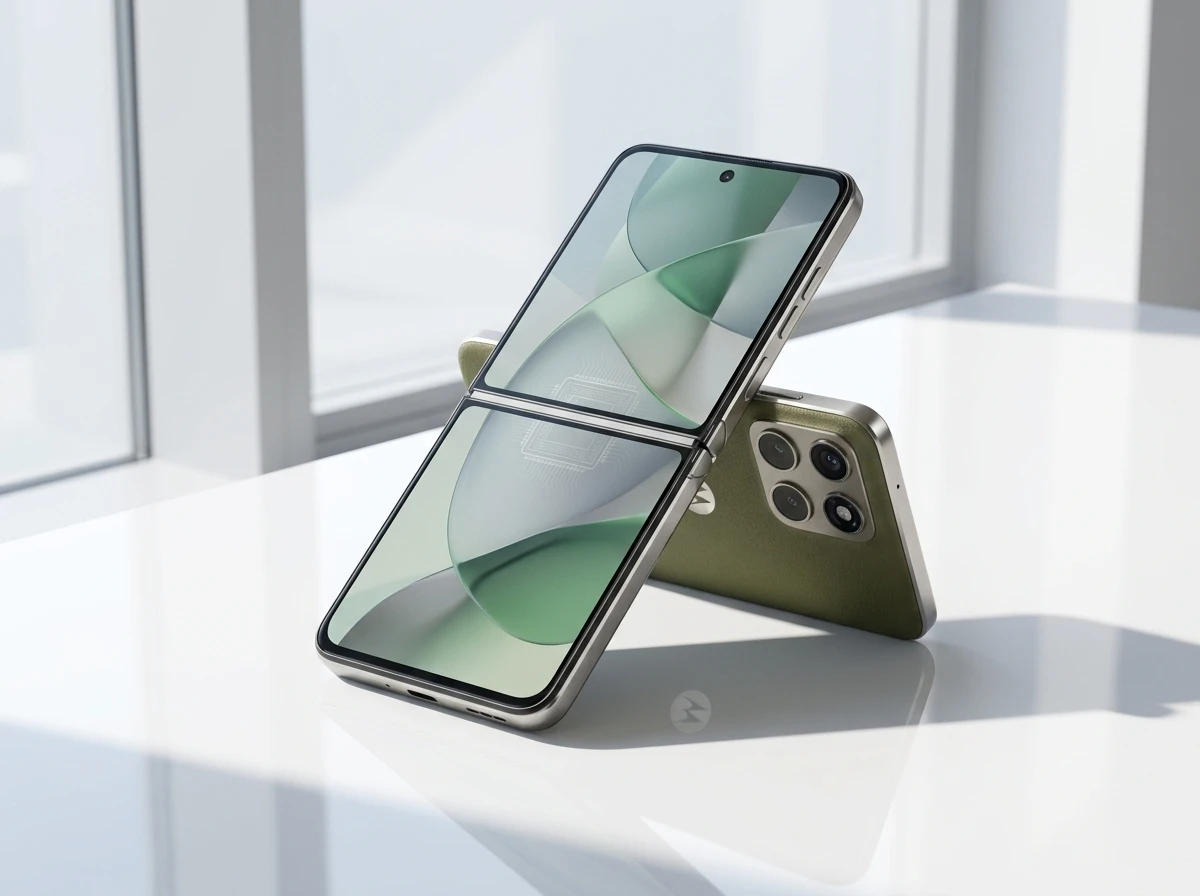
GrapheneOS needs hardware memory tagging, strong isolated components, a capable secure element, and at least seven years of proper OS and security updates. Current-generation Motorola Signature, Razr Fold and Razr Ultra models come close but lack full MTE support and adequate secure-element integration.
The latest Snapdragon flagship chips deliver the best isolation for cellular, Wi-Fi, Bluetooth and GNSS radios plus maturing memory-tagging support. GrapheneOS noted that Snapdragon 8 Elite Gen 5 finally shipped MTE, though non-Elite variants remain broken. Next-generation silicon improves both MTE maturity and secure-element features.
- Flagship Snapdragon provides better CPU/GPU performance and isolated SoC components than mid-range options.
- Motorola must still negotiate longer update commitments from Qualcomm for anything below the top tier.
- MediaTek devices common in Motorola’s cheaper lineup lack the required protections.
- Initial focus is a regular non-folding device; fold and flip variants follow once the base work is solid.
In an X thread that drew more than 144,000 views, GrapheneOS wrote that Motorola is doing a large portion of the work of porting the OS, supplying firmware and drivers in usable form, and opening channels to fix issues with Qualcomm. That reverses the usual dynamic in which the project shoulders almost all device-support labor.
The Security Bar GrapheneOS Will Not Lower
The project’s FAQ lays out non-negotiable standards that current Pixels meet and that Motorola’s 2027 devices are being built to match or exceed.
| Requirement | Why It Matters | Pixel Status | 2027 Moto Path |
|---|---|---|---|
| Hardware memory tagging (MTE) | Detects use-after-free and overflows in OS and apps | Standard on Pixel 8 and later | Targeted via next Snapdragon flagships |
| 7 years of full updates | Firmware, drivers, HALs kept current | Guaranteed on 8th-gen and newer | Explicit goal for the partnership devices |
| StrongBox secure element + attestation | Hardware-backed keys, rate-limiting, insider-attack resistance | Titan M2/M3 advantage | Decent secure element planned; Titan parity harder |
| Isolated radios and components | Limits blast radius of firmware bugs | Present | Strong on flagship Snapdragon |
| Verified boot with rollback protection | Prevents downgrade attacks | Full support | Required and planned |
| Reset-attack mitigation for boot modes | Clears residual memory before opening USB or debug | Present | Required |
GrapheneOS will not broaden support by accepting weaker hardware. The FAQ states that wide device lists would mostly mean maintaining poorly secured phones and would drain resources from core hardening work.
The initial devices with GrapheneOS support should be available in 2027. The initial devices will be flagships so they’ll be higher end hardware than Pixels at a higher price. Lower end devices will take more time to meet our requirements since the updates and security features aren’t as good. It’s mostly due to how Qualcomm handles it.
GrapheneOS, Mastodon, August 2026
Pixel Support Friction Has Grown
Pixels remain fully supported and recommended. The project still plans Pixel 11 builds, including the Pro Fold. Yet GrapheneOS has publicly described growing difficulty: AOSP 16 dropped official Pixel targets, source access has moved to slower Google Drive form requests that sometimes take weeks, and the project must host more of the tree itself.
Tensor chips brought excellent Titan secure elements and early MTE but were a side-grade or downgrade in other performance and isolation areas compared with earlier Snapdragon Pixels. The Motorola route restores Snapdragon advantages while Motorola and Qualcomm become accountable for fixes.
Users who want GrapheneOS today still buy unlockable Pixels. The 8th-generation and later models guarantee seven years of updates and full MTE. That lock-in is exactly what the partnership ends for future buyers.
Form Factors Motorola Already Sells
GrapheneOS already supports Pixel Folds. Motorola’s Razr Ultra (vertical flip) and Razr Fold (horizontal tablet-style) sit in the 2026 flagship set that nearly qualifies. The 2027 successors are expected to add the missing MTE and secure-element pieces.
A vertical flip would be a new form factor for the OS: a pocketable one-hand device when closed. Current Razr Ultra pricing sits around $1,500. Signature models sell for roughly $1,100 in Western markets and lower in India. Those figures already sit in or above Pixel Pro territory.
Motorola has framed the partnership partly as an enterprise play alongside Moto Analytics and Moto Secure features such as automatic photo metadata stripping. Privacy-hardened devices for government, legal and high-risk corporate fleets form a natural market that can absorb flagship pricing more readily than pure consumer buyers.
Who Absorbs the Premium Price
Google lists the Pixel 11 starting at $899, the Pro at $1,099 and the Pro XL at $1,299. GrapheneOS expects Motorola’s first supported models to clear those marks. Exact MSRPs remain unannounced.
Privacy-focused buyers have already accepted Pixel pricing for the security guarantees. A Motorola alternative at $1,200-$1,600 may clear if it offers better cameras, longer battery life, a flip form factor, or simply freedom from Google’s hardware roadmap. Crowds on X and Mastodon mixed relief at the choice with sticker-shock jokes about $2,000 phones and hopes that smaller or mid-range models appear once Qualcomm features trickle down.
The second-order effect is larger than the price of one handset. Motorola is now investing engineering and commercial pressure to make Snapdragon platforms meet GrapheneOS’s strict hardware and update requirements. That work, once done for flagships, can cascade. Longer paid update contracts for lower tiers become more plausible. Other OEMs watching the enterprise privacy segment gain a concrete template.
GrapheneOS gains a second vendor that supplies ready firmware, shares porting labor, and can push Qualcomm on the exact features the project needs. Pixel support continues, but the project is no longer one Google policy change away from crisis. The first phones will be expensive. The dependency they break is not.