After years of patient development Sony has pulled back the curtain on True RGB television technology. Early viewers in Tokyo walked away convinced it marks a major step forward in picture quality. The new backlight system delivers richer colors brighter highlights and tighter control than current high end sets. These TVs start arriving later this spring and could quickly become the ones to beat in living rooms worldwide.
What Exactly Is Sony True RGB Technology
True RGB replaces the usual white or blue LED backlights found in most Mini LED TVs. Instead it uses separate red green and blue LEDs that work together to create light.
This approach lets the backlight produce colors more directly and accurately. Traditional systems rely on filters and phosphors that can dilute purity and limit range. Sony engineers spent two decades refining the idea drawing from their experience with professional broadcast monitors.
The result feels closer to real life. Scenes pop with natural tones that many current TVs struggle to match. Peak brightness climbs higher while maintaining precision across the entire screen.
Sony also applies its advanced processing algorithms to drive the backlight. This helps the system respond quickly to on screen content and avoid common LCD issues like light blooming around bright objects.
Hands On Impressions from Sony Tokyo Demo
Sony invited journalists to its Tokyo headquarters for the first close look at working prototypes. Side by side comparisons made the difference clear right away.
One demo stripped the front panels off two sets. A current Bravia 9 Mini LED TV sat next to the True RGB model. With only backlights active the standard set showed mostly uniform light. The True RGB version formed a recognizable low resolution version of the image using colored LEDs.
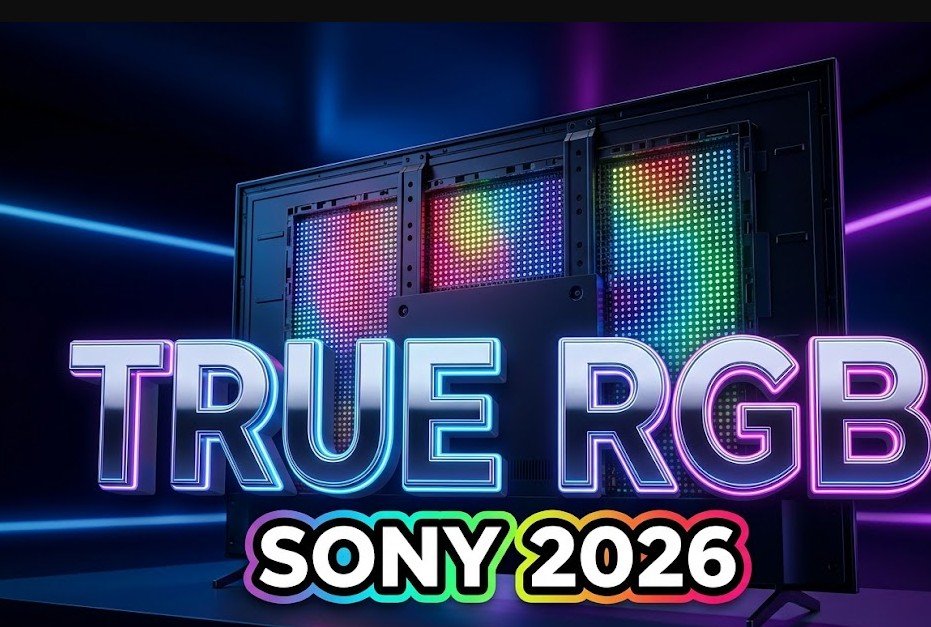
Details stayed visible even in this raw state. Colors matched the scene instead of washing out as white light. When full panels went back on the True RGB set looked punchier and more saturated.
Viewers noted stronger highlights without losing detail in darker areas. Skin tones appeared more lifelike. Bright clothing and neon signs showed depth that felt fresh and exciting.
The experience left many wanting the technology in their own homes as soon as possible. Sony engineers explained how the system builds on years of internal testing to hit this level of refinement.
True RGB Versus Current Mini LED and OLED Displays
True RGB sits between traditional Mini LED and OLED in key ways. It keeps the high brightness potential of LED panels while moving much closer to OLED color performance.
Mini LED TVs already deliver excellent brightness but can suffer from blooming where light spills around bright objects. The color matched backlight in True RGB reduces this problem noticeably. Light only appears where needed and in the right hue.
OLED sets still win for perfect blacks and thin designs. Yet True RGB pushes ahead on raw brightness and color volume. This matters for bright living rooms or watching HDR content during daytime.
Early tests suggest True RGB covers a wider portion of the BT.2020 color space than most consumer TVs available today. That means more shades of red green and blue appear true to the director intent.
Here is a quick look at how the technologies compare on important factors:
- Brightness: True RGB leads with higher peak levels ideal for HDR
- Color Accuracy: True RGB offers purer output thanks to direct LEDs
- Contrast Control: Strong but OLED still edges it for absolute blacks
- Blooming: Reduced compared to standard Mini LED
- Viewing Angles: Improved over basic LCD but OLED remains best
Sony focused heavily on restraint in its processing. The picture stays natural instead of overly sharpened or artificially boosted.
How Rivals Are Responding in the RGB Race
Sony is not alone in pushing RGB technology for 2026. Major brands including Samsung Hisense TCL and LG have announced their own versions.
Samsung plans large Micro RGB models that target massive screen sizes with high color claims. Hisense aims for more affordable options across 55 to 100 inch ranges. TCL and LG bring their unique twists with different zone counts and processing.
What sets Sony apart so far is its emphasis on precision and professional grade calibration. The company claims its long history in studio monitors gives it an edge in delivering content the way creators intended.
This competition benefits buyers. More brands entering the RGB space should help drive innovation and eventually lower prices over time. For now flagship models will carry premium costs.
The entire industry appears to agree that 2026 will be remembered as the year RGB backlights went mainstream. Traditional white LED Mini LED may shift toward mid range while RGB takes the high end spotlight.
What the Future Holds for True RGB TVs
Expect initial True RGB models to launch in larger premium sizes this spring. Sony has hinted at strong performance in 75 inch and 85 inch ranges first with possible expansion later.
These sets will likely include all the latest gaming features such as high refresh rates and low input lag. Sony processing will continue to shine for movie watching with accurate upscaling and motion handling.
For consumers the message is clear. When shopping for a new TV in the coming months pay close attention to backlight technology. True RGB represents a genuine advance that could make favorite shows sports and films look noticeably better.
The emotional pull comes from how these improvements bring content closer to reality. A sunset feels warmer. Action scenes gain impact. Quiet moments gain subtle depth.
Television has always aimed to transport viewers. Sony True RGB takes another meaningful step in that direction.
As more details and reviews emerge this spring the full picture will sharpen. For now the early signals point to an exciting new chapter in home entertainment.
What are your thoughts on Sony bringing True RGB to market? Share your opinions in the comments below. If this news excites you spread the word on social media with friends and family who love great picture quality.