In the northern German state of Schleswig-Holstein, officials made a risky switch last September. They moved thousands of email accounts from Microsoft systems to open source alternatives. Messages went to the wrong inboxes. Some judges and police officers received nothing at all. The chief information officer called those weeks extremely stressful. Yet this small state keeps pushing forward. Its quest for digital sovereignty now stands as a live test for all of Europe.
Why This Northern State Chose to Leave Microsoft Behind
Schleswig-Holstein serves around three million people with a public workforce of about 30,000 civil servants. Leaders there grew tired of depending on one American company for core tools. They worried about data control, rising license costs, and potential access by foreign governments under US laws.
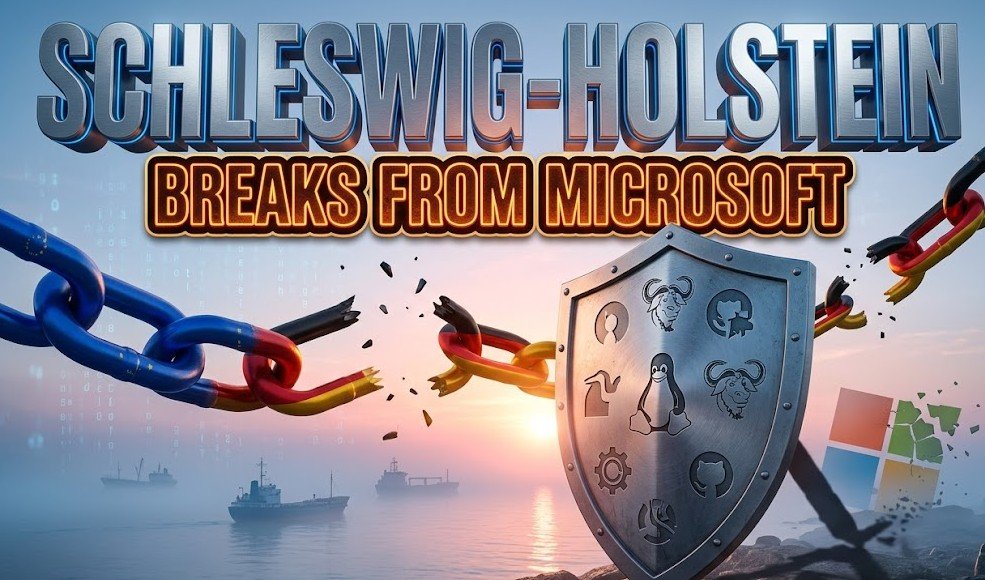
The state began serious planning years ago. It published a clear open source strategy to reduce vendor lock-in. Digital Minister Dirk Schrödter compared the situation to Europe’s past reliance on Russian gas. He argued that true independence matters more than short-term convenience.
The goal is simple yet powerful. Officials want full control over their digital systems. They aim to avoid sudden price hikes or forced updates from a single supplier. By moving to open tools, the state also supports local European developers and keeps taxpayer money within the region.
Facing Real Hurdles During the Big Switch
The email migration hit bumps right away. Staff in the finance division watched messages arrive in wrong folders. Critical communications failed for parts of the justice and police systems. Sven Thomsen, the state’s chief information officer, managed the chaos. His team worked long hours to fix routing issues and restore service.
Training thousands of users added another layer of difficulty. Many had used Microsoft tools for years. Switching to new interfaces required patience and support. Some specialist programs in areas like taxation still need Microsoft compatibility for now, so about 20 percent of workplaces continue limited use.
Despite these challenges, progress continued. By late 2025 the state had moved nearly 44,000 email accounts to the new system. That included more than 100 million messages and calendar entries. The Linux pilot now tests full desktop replacement for Windows with around 150 users, including the digital minister himself.
Major Savings and New Tools That Actually Work
The hard work is paying off. Starting in 2026, Schleswig-Holstein expects to save more than 15 million euros each year on software licenses. A one-time investment of nine million euros will cover final workplace changes and further development of open tools.
This switch delivers real financial relief. The state replaced Microsoft Office with LibreOffice across most departments. Nearly 80 percent of workplaces outside tax administration now use the open source suite as standard. Microsoft licensing rates have dropped below 10 percent in those areas.
Email now runs on Open-Xchange with Thunderbird as the client. Collaboration happens through Nextcloud, letting teams share and edit documents securely without external clouds. Video calls use open alternatives that keep data inside state systems.
Here is what the new setup includes:
- LibreOffice for word processing, spreadsheets, and presentations
- Open-Xchange and Thunderbird for email and calendars
- Nextcloud for file sharing and joint work
- Linux distribution in pilot phase for full desktop freedom
Users report that daily tasks feel similar after initial training. Many appreciate faster updates and the ability to request custom features from the open source community.
Why Europe Watches This Experiment Closely
Schleswig-Holstein has become a pioneer. In February 2026 it became the first regional government worldwide to endorse the United Nations Open Source Principles. This step highlights its commitment to transparent and secure public technology.
Other European governments take notice. France, Italy, and the Netherlands explore similar paths. Germany’s federal level develops its own sovereign workspace called OpenDesk. Even countries outside the EU show interest in the results.
The timing feels right. Concerns about data privacy and foreign influence continue to grow. Leaders see digital sovereignty as essential for security and economic strength. Schrödter urges the European Union to favor open source options in public buying rules. He believes this approach builds a stronger tech ecosystem at home.
What This Shift Means for Daily Life and the Future
Citizens in Schleswig-Holstein may not notice big changes at first. Government services keep running. Yet the benefits reach deeper. Better data protection means personal information stays safer from external risks. Cost savings free up funds for schools, roads, or health care.
Teachers and more public workers could join the migration in coming years. The state continues refining tools based on real user feedback. It invests in local developers who improve the software for everyone.
This is not a perfect or instant success. Some tasks still require workarounds. Compatibility issues pop up occasionally. Yet the state proves that change is possible with careful planning and steady effort.
As Schleswig-Holstein moves forward, it shows Europe a practical way to gain digital freedom. The path includes stress and adjustments, but it leads to greater control and long-term savings. Other regions now have a working example to study and adapt.