

Design has quietly stepped into the spotlight in 2025, reshaping how devices win consumer loyalty as companies shift focus from raw specs to the emotional pull of objects people carry every day.
A New Race Built on Feel Rather Than Specs
Consumers now care more about calm interfaces, smoother interactions, and devices that simply feel good to live with.
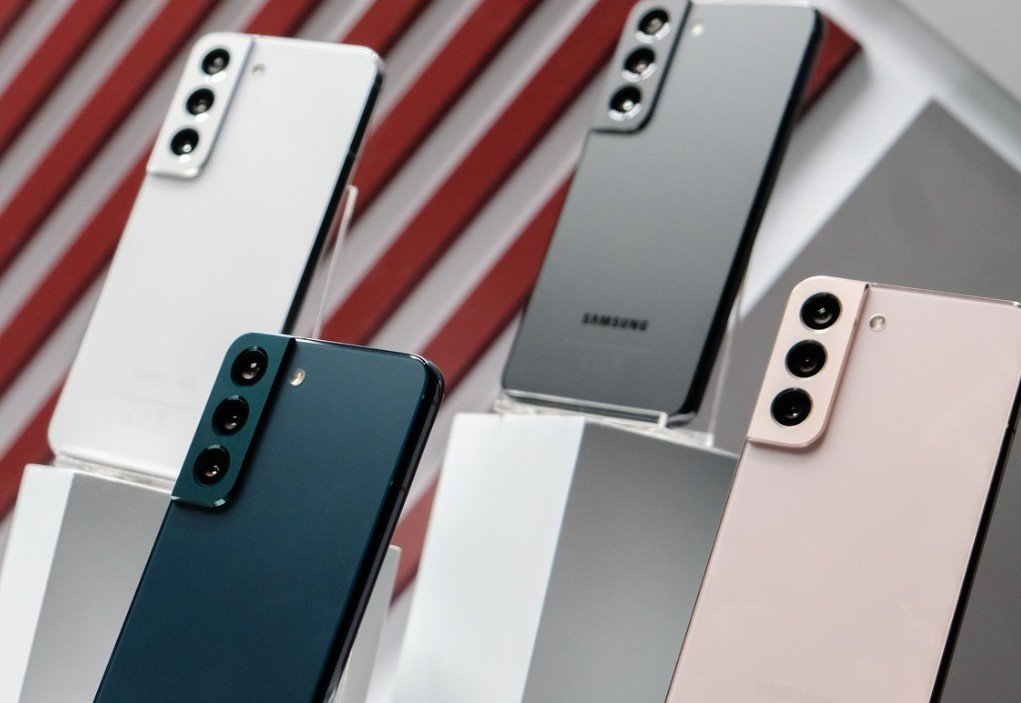
Samsung’s latest products reflect this movement clearly, showing a company deliberately focusing on design choices that influence how users experience everyday life.
This shift isn’t about being flashy.
It’s about products that feel as if they were shaped around real hands, real routines, and real frustrations.
Some industry watchers say this focus has become the quiet differentiator in a crowded market.
Minimalism Makes Devices Feel Smarter
Premium design in 2025 isn’t about loud flourishes.
It’s about cutting noise.
Samsung’s One UI leans heavily into this philosophy, aiming for clarity and a calmer visual experience.
The layouts prioritize what users need at the moment, trimming away distractions that clutter many interfaces.
A few designers say the rounded corners and wide spacing help reduce cognitive strain.
That idea may sound subtle, but anyone who stares at a screen all day feels the difference.
One-sentence pause.
Even small choices in spacing, icon styling, and movement animations contribute to the “premium” feeling people often struggle to explain.
Many brands once bragged about interface features; now they brag about removing them.
Materials Set the Tone for Premium Devices
Material choices quietly shape emotional reactions to products.
They communicate value the moment a phone lands in a hand.
Samsung’s recent devices use stronger aluminum frames and refined surface treatments that improve durability while keeping weight low.
These choices aren’t obvious at first glance, yet they influence long-term perception more than extra numbers on a spec sheet.
The firm’s work with newer Gorilla display coatings also improves resilience without making phones thicker.
Users rarely comment on these details directly, but they notice the difference over months of daily use.
One designer in Seoul compared material decisions to “the handshake of the device,” saying people instantly know if they like it.
A small paragraph here.
That handshake matters more than ever in premium markets.
To show how strongly materials shape perception, here’s a quick comparison from consumer feedback surveys gathered in late 2025:
| Attribute Consumers Value Most | Influence on Purchase | Notes |
|---|---|---|
| Material Feel in Hand | High | Tied to quality perception |
| UI Simplicity | High | Reduces visual fatigue |
| Durability | Medium | Often noticed after months |
| Camera Specs | Medium | Still relevant but not decisive |
| Battery Size | Low | Users prioritize efficiency |
This table mirrors what retailers have been noticing across major markets.
Ergonomics Matter More Than Marketing Claims
The best design works quietly in the background.
That’s why ergonomics keep gaining weight in product development.
Samsung’s foldables show how deeply the company invests in tuning comfort.
The placement of buttons, the curve of the hinge, and the weight balance across both screens are all shaped by real-world usage studies.
A single misplaced button can ruin the feel of a premium device.
Likewise, a well-balanced frame can make a phone feel slimmer than it actually is.
Some engineers describe ergonomics as the difference between a device someone uses and a device someone loves.
It’s an emotional shift many companies chase, but few achieve.
Samsung’s foldable category, launched in 2019, demonstrates this evolution.
Early models focused on showing technical potential; newer ones focus on making them natural to use for hours at a stretch.
One-sentence pause.
That change marks a deeper maturity in how brands approach premium design.
Ecosystem Style Becomes the New Brand Signature
Design now stretches beyond one device.
Consumers want consistency across phones, tablets, wearables, and accessories.
Samsung’s ecosystem is leaning harder into this idea, aligning color palettes, materials, and UI behavior across product lines.
The familiarity reduces friction for users moving across screens.
A tech analyst in Nairobi said ecosystems today feel like “digital wardrobes,” where everything needs to match.
That expectation didn’t exist a decade ago.
Companies that unify design across product families tend to foster stronger loyalty.
It’s harder for customers to switch when everything they own feels connected—not just technically, but visually and emotionally.
Some brands still treat each product line as a separate identity.
But those that bring cohesion often see higher retention.


