Automattic confirmed in March 2026 that Simplenote is no longer in active development, with only basic functionality maintained and no new features planned. That single sentence rewrites every Google Keep vs Simplenote comparison written before it.
The old stalemate of colorful cards versus pure text no longer holds equal weight. One app keeps shipping AI tools. The other is frozen by design.
The Quiet Freeze Arrived in March
Simplenote has always been the distraction-free choice. Instant sync across Windows, Mac, Linux, Android, iOS and the web. Tags instead of folders. Markdown. Full version history you can scrub like a video timeline. Completely free, open-source clients, backed by the same company that runs WordPress.com.
We appreciate your continued use of Simplenote and the support of our community over the years. Simplenote is no longer in active development, and while the app remains available, only its basic functionality is being maintained at this time. No new features or enhancements are planned.
Simplenote Support Forums, Customer Update
Bug-fix releases still appear on the Electron desktop client. A July 2026 blog post even floated a pre-release WYSIWYG Markdown editor. But the official stance is clear: the feature set is locked. Anyone starting a long-term notes habit today adopts a product with no roadmap.
- March 2026: Automattic states Simplenote is no longer in active development and that only basic functionality will be maintained.
- Through mid-2026: Bug-fix releases continue on the Electron desktop client while the public roadmap stays empty.
- July 2026: A blog post floats a pre-release WYSIWYG Markdown editor, yet the company still plans no new feature commitments.
Ry Walker’s research summary puts the practical risk bluntly: the apps and sync remain free and live, yet Automattic has given only basic functionality maintained going forward and no commitment on how long the Simperium sync backend will run.
Maintenance without a roadmap means the app you install today is the app you will keep. Speed, Markdown, tags and version history stay. Cross-app AI, richer media and deeper platform hooks will not arrive. That is the trade users now accept on purpose.
Google Keep Keeps Moving
Google Keep still does what it always did well. Color-coded cards. Labels and pins. Images, drawings and voice notes with OCR search. Real-time collaboration. Deep ties to Drive, Docs, Calendar and Gmail. You can capture notes lists photos drawings audio and have them appear everywhere a Google account reaches.
In 2026 the app gained teeth from Gemini. At I/O Google showed “brain dump” voice capture that turns rambling speech into organized notes and checklists. Gemini can create Keep notes from conversation, add items to existing lists, summarize long notes, and surface details without the user opening the Keep app itself. Some of the richer voice-to-list formatting requires Google AI Pro or Ultra.
One change cut the other way. Google finished moving Keep reminders into Google Tasks. Time-based reminders still work and appear across Calendar, Tasks and Gemini. Location-based reminders are gone; existing ones land as plain text in the task description. Notifications now come from the Tasks or Calendar apps rather than Keep itself. See the official explanation of how Keep reminders migrate to Google Tasks.
- Gemini front-end: ask the AI for a grocery list or meeting summary and it lands in Keep without opening the note app.
- Voice to checklist: spoken ramble becomes formatted checkboxes automatically on supported tiers.
- Cross-app pull: Gemini can read Keep notes to answer questions or generate new material.
- Tasks single source: reminders live in one place across the Workspace suite.
Power users on Android now treat Keep less as a destination and more as storage that Gemini already understands.
The reminder migration shows the same pattern. Keep sheds a standalone job so the wider Workspace suite can own it. Time-based alerts gain reach across Calendar, Tasks and Gemini. Location triggers disappear from Keep itself. The product grows by folding into Google’s other surfaces rather than by standing alone.
What Each App Still Does Best
The core personalities never changed. Keep is visual and connected. Simplenote is text and fast. The freeze simply removes any expectation that Simplenote will close the gaps.
| Capability | Google Keep | Simplenote |
|---|---|---|
| Core interface | Color cards, pin, labels | Plain list, tags only |
| Media | Images, drawings, voice + OCR | Text and Markdown only |
| Reminders | Time-based via Tasks (location lost) | None native |
| Collaboration | Real-time multi-user edit | Share link or publish; limited live edit |
| Formatting | Basic rich + checklists | Markdown with preview |
| Version history | Available but clunky web download | Smooth slider restore |
| Platforms | Web, Android, iOS, Chrome, Wear | Web, Windows, Mac, Linux, Android, iOS |
| Offline | Cached notes, sync on reconnect | Full local store, instant |
| Price | Free with Google account | Free; optional Sustainer support donation |
| Development status 2026 | Active AI and Workspace updates | Maintenance only |
Keep still feels heavier on older devices once image and voice notes pile up. Simplenote still launches and searches faster with thousands of plain notes. Those performance edges remain real.
The table also shows where the freeze bites hardest. Collaboration, media and reminders already favored Keep. Simplenote’s remaining edges are speed, clean Markdown, a smooth version slider and first-class Linux. None of those need a busy roadmap to stay useful, which is why loyal users still defend the app.
Privacy and Who Owns the Notes
Google stores Keep data on its servers and holds the encryption keys. The company states it uses data to improve services. Notes are not end-to-end encrypted. Anyone who needs that guarantee already left for other tools.
Simplenote also stores notes in the cloud for sync. Automattic’s model is not advertising-driven in the same way, and the clients are open source under GPL v2. That transparency attracts users who distrust large consumer platforms. Still, there is no zero-knowledge encryption. Sensitive material should sit elsewhere in both cases.
Export is straightforward on both sides and now more important for Simplenote owners.
- Keep: Google Takeout delivers an archive that needs some cleanup for other apps.
- Simplenote: plain text or JSON dumps that import cleanly almost anywhere.
- Both: regular local backups remain smart insurance against any future service change.
The open-source clients give Simplenote a faint long-term escape hatch. Someone can fork the apps. The closed Simperium sync service is the harder dependency.
That split matters more after the freeze. Client code under GPL v2 can live on a local machine even if Automattic steps further back. Sync still depends on a closed backend with no public timeline. Keep users face a different shape of risk: data stays inside Google’s account system, export works through Takeout, and the service keeps moving with Workspace.
Who Still Picks the Frozen App
Plenty of people. Writers who live in Markdown and hate visual chrome still call Simplenote the cleanest capture tool. Linux users value the first-class desktop client. Anyone who wants zero Google account and zero AI suggestions keeps it open. Long-time fans note that a simple notes app never needed radical new features in the first place.
On X and forums the dominant mood is pragmatic loyalty mixed with quiet preparation. Users say the app still works exactly as it did, so the freeze changes nothing day to day. At the same time many admit they now keep regular exports and have eye on Obsidian, Joplin, standard Notes or self-hosted options if the sync lights ever dim.
Keep wins the everyday task manager, the student snapping whiteboard photos, the family sharing a grocery list, and anyone already inside Gmail and Calendar. Its Gemini layer turns notes into something you query instead of hunt. That is a genuine workflow shift Simplenote cannot match.
- Simplenote holdouts: Markdown-first writers, Linux desktop users, people who refuse a Google account or AI suggestions.
- Keep defaults: shared household lists, photo and voice capture, students and anyone living in Gmail and Calendar.
- Shared habit: both camps still cost nothing to run side by side while the freeze settles in.
How Sync Backends Shape Long-Term Risk
Both apps store notes in the cloud so phones, desktops and browsers stay aligned. The difference is what each backend implies once development slows or shifts.
Simplenote’s clients are open source under GPL v2, so a fork can keep local editing alive. The Simperium sync service is closed, and Automattic has given no commitment on how long it will run. Regular plain-text or JSON exports are the practical hedge users already discuss on forums.
Keep ties notes to a Google account and to Drive, Docs, Calendar, Gmail and Gemini. That web of links is why a grocery list or voice capture shows up everywhere a Google account reaches. It is also why leaving means Takeout, cleanup and rebuilding habits in another stack. Active AI and Workspace updates reduce the chance of a sudden freeze, yet they deepen the same account gravity.
Neither product offers zero-knowledge encryption. Sensitive material belongs elsewhere in both cases. The freeze simply makes Simplenote owners treat export cadence as part of normal use rather than an afterthought.
What Current Users Should Do Right Now
If you already live in Simplenote and love it, keep using it. The service still runs, sync is still fast, and apps backups syncing sharing all free. Just treat the freeze as permanent. Export a full dump every month or two. Prefer plain-text Markdown so migration stays painless.
If you are choosing for the first time or building a multi-year archive, the risk calculation has shifted. Keep’s active development, AI helpers and Workspace gravity make it the lower-friction default for most people. The privacy and lock-in trade-offs remain the same as always.
Hybrid use still works. Quick visual captures and shared lists in Keep. Longer drafts and pure writing in Simplenote. Both cost nothing. The only new rule is not to bet your permanent record solely on the app that has stopped accepting new features.
A simple monthly habit covers most of the new risk surface:
- Export a full Simplenote dump on a fixed schedule and store it outside the app.
- Keep longer drafts in Markdown so any future move stays painless.
- Use Keep where Gemini, shared lists and Workspace links already save time.
- Avoid parking your only permanent archive in the product with no roadmap.
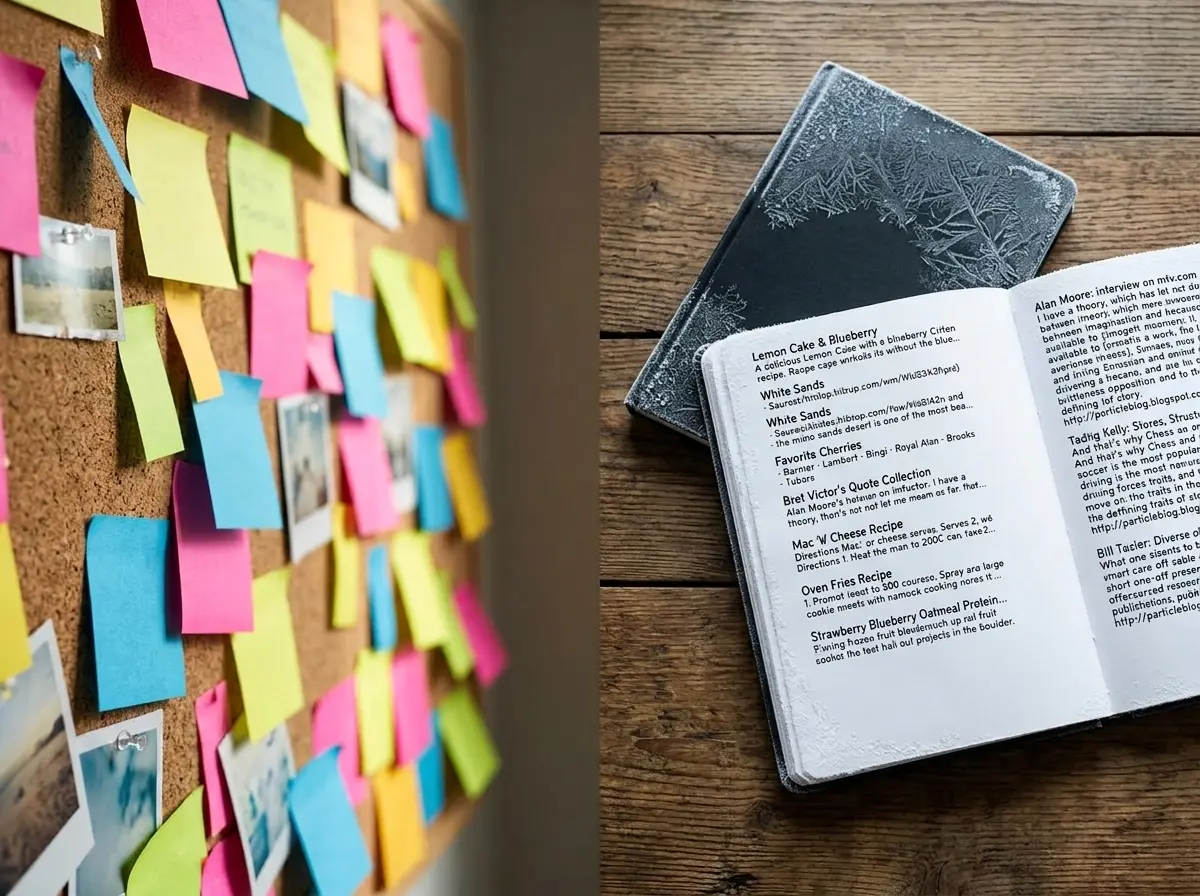
The corkboard got smarter. The plain notebook got a permanent “do not update” sticker. That is the 2026 state of the comparison.
Frequently Asked Questions
Is Simplenote still free after the maintenance announcement?
Yes. The official site and every recent review confirm that apps, backups, syncing and sharing remain completely free. An optional Sustainer donation plan exists for people who want to support Automattic; it unlocks no extra features.
Does Google Keep support Markdown the way Simplenote does?
No. Keep offers basic rich-text options and checklists but no Markdown syntax or preview. Simplenote lets you write in Markdown, toggle a rendered view, and publish notes as web pages. Writers who rely on plain-text portability stay with Simplenote for that reason alone.
Can I collaborate in real time on both apps?
Keep allows multiple Google users to edit the same note simultaneously with live cursors. Simplenote supports sharing a note with other Simplenote accounts and public publish links, but simultaneous multi-user editing is more limited and less polished than Keep’s model.
What happens to my Simplenote notes if the sync service ever shuts down?
The open-source clients can still open local data, and exports are plain text or JSON. You would lose automatic cross-device sync unless a community fork or alternative backend appears. Regular exports remain the safest protection; the company has given no end-of-life date for the service.
Did Google Keep lose location reminders forever?
Yes for new reminders. Existing location-based Keep reminders moved into Tasks as ordinary tasks with the place name written into the description. You can no longer create or receive location-triggered alerts from Keep itself.