
Two decades after its release, V for Vendetta still sparks debate among fans. Director James McTeigue recently explained the tough decisions behind adapting Alan Moore and David Lloyd’s graphic novel for the screen. His comments come as the film marks its 20th anniversary with a 4K re-release and upcoming theatrical return.
McTeigue opened up about balancing loyalty to the source material with the demands of cinema. The choices helped turn the story into a cult hit that continues to resonate today.
V’s Character Needed Careful Balance On Screen
McTeigue told Screen Rant that getting V right was crucial. The masked vigilante feels a little crazier and more nihilistic in the graphic novel. The film version softens some edges to make him more relatable for movie audiences.
“I think getting the right balance of V was an important thing to do,” McTeigue said. He worked with the Wachowskis’ script to create a character who could carry the emotional weight across two hours.
Hugo Weaving brought depth to the role through voice and movement. His performance made V both terrifying and inspiring. Fans still quote his lines years later.
The graphic novel lets V exist more as an idea. The film gives him clearer motivations and a swashbuckling style that fits action cinema. This shift helped the movie connect with wider viewers while keeping the core rebellion intact.
Evey’s Path Changed To Fit The Cinematic Story
Evey Hammond goes through major growth in both versions. Yet her journey takes different turns on the page and screen.
In the graphic novel, Evey follows a more complex route filled with darker detours. The film streamlines her arc to focus on her transformation from frightened citizen to empowered ally. Natalie Portman delivers a powerful performance that tracks this change step by step.
These adjustments helped the story move at a pace suited for theaters. Viewers get to watch Evey learn and grow alongside V’s plans. Her story becomes the emotional heart that pulls audiences through the action and politics.
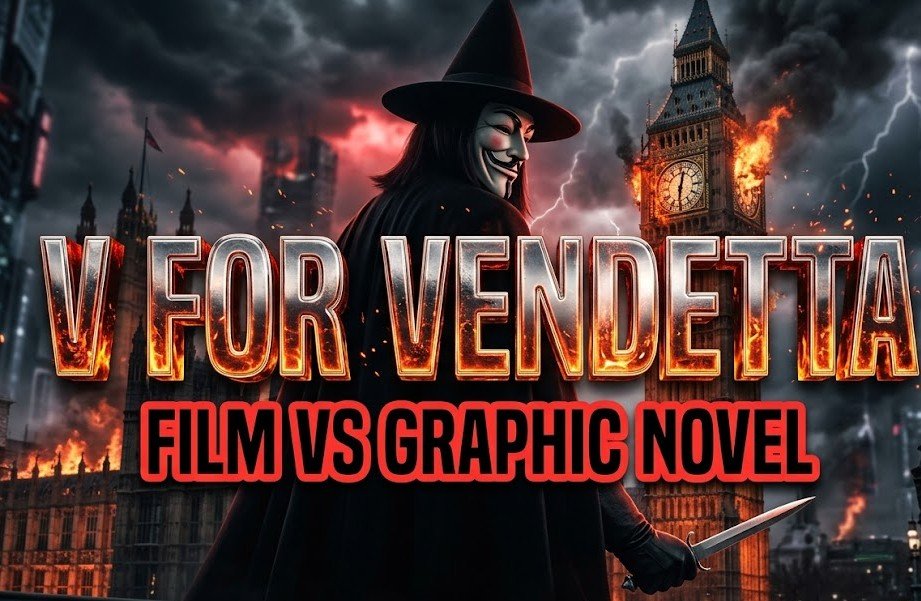
Side Plots And Characters Got Cut For Focus
The graphic novel includes rich subplots and supporting figures that build its world. The film removes some to keep the main story tight.
McTeigue pointed to the Creedy character as one blind alley from the book. Helen Heyer and her storyline became a whole C plot that did not make the final cut. These decisions helped the movie avoid feeling scattered.
“There was some sort of blind alleys in the graphic novel also,” McTeigue noted. The team focused on what served the central conflict between V and the fascist regime.
Stephen Rea’s Finch and John Hurt’s Chancellor Sutler received strong development in the film. Their roles carry much of the political tension. The streamlined cast lets key relationships shine brighter on screen.
Here are the main differences fans often discuss:
- V appears more heroic and theatrical in the movie compared to the book’s ambiguous anarchist.
- The film emphasizes liberty against authoritarianism while the novel dives deeper into fascism versus full anarchism.
- Several minor characters and romantic subplots were removed or combined.
- The climax and some key revelations play out differently to suit a feature film ending.
The Team Aimed To Capture The Story’s True Essence
Despite the changes, McTeigue believes they honored what matters most. The graphic novel speaks powerfully against tyranny and control. The film keeps that fire alive.
The Wachowskis wrote a script that excited the studio. Their work on The Matrix gave them trust to explore bold political ideas. McTeigue notes the studio supported the project without pushing back too hard on its message.
Alan Moore, the original creator, has never warmed to the adaptation. He has long criticized Hollywood versions of his work and asked not to be credited. McTeigue understands Moore’s attachment to the source material as a page-by-page creation.
The film still earned solid reviews. It holds 73 percent from critics and 90 percent from audiences on Rotten Tomatoes. It earned over 134 million dollars worldwide on a budget around 54 million. Those numbers show it found a big audience.
Why The Story Still Matters 20 Years Later
V for Vendetta arrived at a time when people questioned government power and media control. Its near-future Britain under the Norsefire regime felt uncomfortably close to real events.
The Guy Fawkes mask became a global symbol. Protesters and activist groups adopted it in many countries. The imagery lives on in discussions about freedom and resistance.
The upcoming 20th anniversary events include a 4K re-release and theatrical screenings in November 2026. Audiences will get another chance to experience the story on the big screen.
Many viewers discover the film now and find its warnings relevant to today’s world. Issues like surveillance, propaganda, and political division have not gone away. The movie invites people to think about how ordinary citizens can push back.
The adaptation succeeded because it made the graphic novel’s ideas accessible to millions. It sparked conversations that continue today. While it differs from the book in key ways, it keeps the spirit of questioning authority strong.
As V reminds us, ideas are bulletproof. The film proves that powerful stories can evolve across mediums and still light a spark in new generations.