
Aviation giant Boeing has officially tapped the Israel Institute of Technology for a major new mission. The two industry leaders are joining forces to crack the code on affordable sustainable aviation fuel. This strategic deal could change how the world flies forever.
The partnership marks a critical step forward in the global race to decarbonize air travel. Boeing and the Haifa based institute will focus on developing technology to turn hydrogen and carbon dioxide into safe jet fuel. This collaboration aims to solve one of the biggest climate challenges of our time.
A Historic Deal for Green Skies
Boeing has selected the Technion to help drive the future of commercial flight. This multi million dollar project is not just a financial investment. It represents a merging of American industrial scale with Israeli innovation. The goal is clear and ambitious. They want to make sustainable aviation fuel a realistic option for airlines everywhere.
Technion President Professor Uri Sivan called the partnership a historic event for both the economy and the environment. He noted that the university experts are taking on a tremendous mission. Their work will focus on creating clean fuels through sustainable processes. This effort is vital for the future of civil aviation and human health.
Key Goals of the Partnership:
- Develop new technologies to produce Sustainable Aviation Fuel (SAF).
- Utilize green hydrogen and captured carbon dioxide as feedstocks.
- Lower the production costs to make green fuel competitive.
- Help the aviation industry meet net zero emissions by 2050.
The collaboration leverages the Technion’s world class researchers. They are known for their expertise in energy and chemical engineering. By combining this academic power with Boeing’s engineering legacy, the team hopes to accelerate the transition away from fossil fuels.
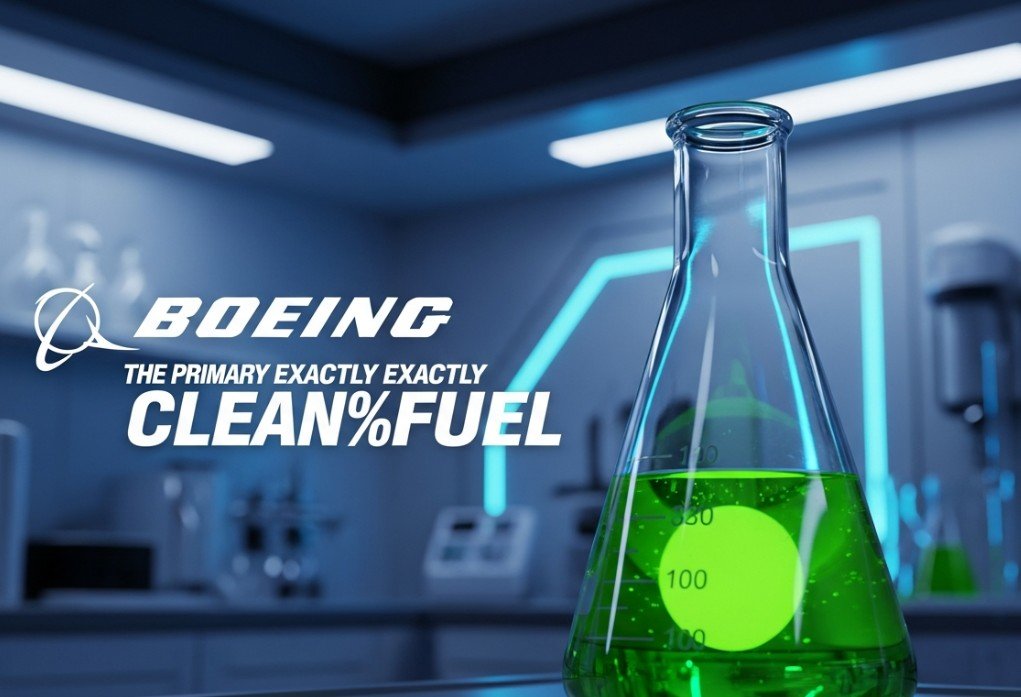
The Science Behind the New Fuel
The core of this research focuses on science that sounds like science fiction. The teams will work on converting raw hydrogen and carbon dioxide into liquid fuel. This process creates a product that is chemically similar to traditional jet fuel. However, it does not require drilling for oil.
Why Hydrogen and CO2?
Hydrogen is widely seen as the green power source of the future. When produced using renewable energy, it has a near zero carbon footprint. Carbon dioxide can be captured from the air or industrial exhaust. Combining these two elements creates a hydrocarbon fuel that powers engines without adding new carbon to the atmosphere.
“SAF has the potential to cut aviation’s carbon emissions by up to 80 percent compared with traditional jet fuels. It is the most immediate solution we have.”
Sustainable Aviation Fuel is a “drop in” fuel. This means it can be used in current aircraft engines without any modifications. Airlines do not need to buy new planes to use it. They simply need a steady and affordable supply of the fuel itself. This is where the Technion research comes in. They aim to make the production process efficient enough to compete with standard kerosene.
Why the Aviation Industry Needs This Now
Pressure is mounting on airlines around the globe. Governments and environmental groups are demanding a reduction in greenhouse gases. The aviation industry is currently responsible for a significant portion of global emissions. Without a major change, these numbers will only grow as more people travel.
Boeing has set a massive target for itself. The company plans to deliver commercial airplanes capable of flying entirely on sustainable fuel by 2030. This is a bold promise that requires immediate action. International regulations are also tightening. The industry has committed to achieving zero net emissions by 2050.
Current Industry Commitments:
- Boeing: 100% SAF capable fleet by 2030.
- IATA: Net zero carbon emissions by 2050.
- European Union: Mandates for increasing SAF usage in airports.
- US Government: Grand Challenge to produce 3 billion gallons of SAF per year by 2030.
This partnership arrives at a crucial moment. Airlines are eager to switch to green fuels to meet these mandates. However, they cannot do it alone. They need manufacturers like Boeing to lead the way in research and development. This deal with Israel ensures that the best minds are working on the problem.
Challenges Facing Sustainable Flight
The promise of green fuel is exciting, but the hurdles are high. The biggest problem facing the industry right now is cost. Sustainable fuel is currently much more expensive than traditional fossil fuel. It often costs two to three times as much to produce. This makes it hard for airlines to adopt it without raising ticket prices.
Availability is another major issue. There is simply not enough green fuel being made today. According to reports from the International Air Transport Association, SAF accounted for less than 1 percent of total jet fuel consumption recently.
| Feature | Traditional Jet Fuel | Sustainable Aviation Fuel (SAF) |
|---|---|---|
| Source | Crude Oil (Fossil Fuel) | Waste, Hydrogen, CO2 |
| Carbon Footprint | High | Up to 80% Lower |
| Cost | Low / Market Standard | 2x to 3x Higher |
| Availability | Abundant | Extremely Limited |
| Engine Compatibility | Standard | Compatible (Drop-in) |
The industry spent billions of extra dollars on fuel costs due to these inefficiencies. The Boeing and Technion project aims to fix this supply crunch. By improving the technology to turn hydrogen into fuel, they hope to bring the price down. If they succeed, green travel could become the standard rather than a luxury.
This research also addresses the issue of feedstocks. Current biofuels often use cooking oil or agricultural waste. There is a limit to how much waste oil is available. By moving to hydrogen and carbon dioxide, the potential supply becomes almost limitless. This is why the specific focus of this Israeli partnership is so vital for the long term.
A successful breakthrough here would ripple across the world. It would mean cleaner air at airports and lower emissions in the upper atmosphere. It protects the planet while allowing people to continue connecting across continents. The work starting in Haifa today will determine how our children fly tomorrow.
The road ahead is long, but the commitment is firm. Boeing and Technion are betting that technology can save the skies.
What do you think about this move?
Do you believe technology will solve the climate crisis in aviation? Let us know your thoughts in the comments below. If you are excited about green tech, share this story on X or Instagram using the hashtag #GreenSkiesAhead and tag a friend who loves to travel.