
Food banks across the country are grateful for every donation, but not all items help equally. Nutrition experts working inside food banks say a few overlooked staples can stretch resources further, support healthier meals, and better reflect what families actually need.
If you’re donating with good intentions, a little insight goes a long way.
Why food banks think differently than grocery shoppers
Most people donate what they’d like to receive themselves. That makes sense. But food banks operate under very different conditions.
They’re balancing nutrition, storage limits, cultural preferences, and the reality that many recipients lack full kitchens or even can openers. Add inflation and rising demand, and every choice matters more than it used to.
Registered dietitians who work with food banks say nutrient-dense staples often run out first, while less useful items pile up. That mismatch is what inspired experts to speak up about smarter giving.
Shelf-stable proteins are always in short supply
Protein tops the wish list, almost everywhere.
It’s filling, supports health, and costs more at the store, which means families relying on food banks struggle to get enough of it. Shelf-stable options are especially valuable.
Experts recommend items that can anchor simple meals without refrigeration. Think canned chicken, tuna, salmon, beans, lentils, and nut butters.
One sentence matters here.
Protein stretches meals further.
There’s also a practical detail many donors miss. Pull-tab cans matter. Not every household has a can opener, and small barriers like that can turn a donation into frustration.
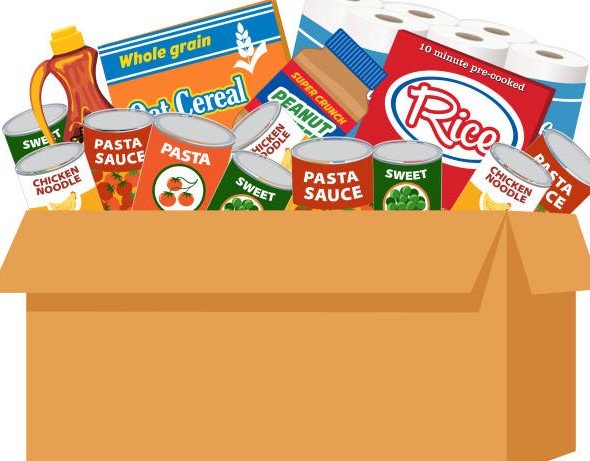
Grains that build meals, not just snacks
Grains are another backbone item, but quality matters.
Rice, pasta, oats, quinoa, millet, and whole-grain cereals give families flexibility. These foods work across cultures and can be combined with whatever else is available.
Dietitians also point out that whole-grain snacks are especially helpful for families with kids. Items like popcorn, whole-grain crackers, plain Cheerios, and simple granola bars get used quickly.
One short paragraph belongs here.
Grains become breakfast, lunch, or dinner depending on need.
Food banks often see white pasta and sugary cereals donated in bulk, while whole-grain options disappear almost immediately.
Canned fruits and vegetables still matter a lot
Fresh produce is ideal, but it’s not always practical. Canned fruits and vegetables fill the gap when refrigeration, transport, or shelf life becomes an issue.
Nutrition experts stress a few simple guidelines.
Low-sodium vegetables and fruit packed in water or juice make a real difference for people managing blood pressure or blood sugar. These versions support health without adding hidden extras.
Again, pull-tab lids help. So does variety. Green beans, carrots, tomatoes, peaches, pears. Repetition limits meal options, even when food is available.
Cooking basics quietly hold everything together
This category surprises many donors.
Oil, spices, salt alternatives, flour, and baking basics are often missing. Without them, even good ingredients fall flat. A bag of rice needs oil. Beans need seasoning. Pancake mix needs something to cook it in.
Food banks say these items are rarely donated but deeply appreciated.
One short sentence fits here.
Flavor matters, even in hard times.
Simple items like vegetable oil, olive oil, garlic powder, or cumin can turn donated staples into meals people actually want to eat.
Dairy alternatives and shelf-stable milk fill a gap
Refrigerated milk is hard to store and distribute. Shelf-stable milk, powdered milk, and plant-based alternatives last longer and work better for many families.
They’re especially important for households with children.
Experts note that lactose intolerance is common, making non-dairy options more inclusive. Unsweetened versions are preferred to limit added sugars.
One sentence belongs here.
Milk is about nutrition, not brand.
These items often cost more than donors realize, which is why food banks struggle to keep them stocked.
Baby food and diapers are constant needs
Families with infants face extra pressure, and food banks see that daily.
Baby food, formula, diapers, and wipes move fast and are expensive to buy out of pocket. Yet they’re donated far less often than adult foods.
One short paragraph fits naturally.
Younger families feel shortages first.
Food banks also stress checking expiration dates closely for baby items. Standards are strict for good reason.
Personal care items count as food support too
Soap doesn’t go on a plate, but it matters.
Toothpaste, menstrual products, shampoo, and toilet paper are frequently requested. Many assistance programs don’t cover these basics, leaving families to choose between hygiene and food.
Food banks distribute these items whenever possible, but supply rarely meets demand.
Donating personal care items frees up limited cash resources for food purchases behind the scenes.
Easy-to-open, easy-to-cook foods make access real
A final theme cuts across every category: accessibility.
Many recipients lack full kitchens, stable housing, or cooking equipment. Items that require minimal prep or special tools work best.
Experts suggest keeping this in mind while shopping.
Here are a few features food banks consistently value:
-
Pull-tab cans
-
Minimal cooking time
-
No refrigeration required
-
Simple ingredient lists
One short paragraph sits between.
Convenience isn’t laziness, it’s reality.
What not to donate, even if it’s well-meant
Food banks are clear about this part.
Expired items, opened packages, homemade foods, and highly sugary snacks usually can’t be distributed. They create safety risks or nutritional gaps.
Some items also cause logistical headaches, including glass containers and dented cans.
A quick comparison helps explain priorities:
| Better choices | Items to skip |
|---|---|
| Low-sodium soups | Expired canned goods |
| Whole grains | Opened packages |
| Nut butters | Homemade foods |
| Shelf-stable milk | Candy-heavy snacks |
One sentence stands alone.
Good intentions still need guidelines.
Why cash donations still matter most
Even with a smart shopping list, food banks often say cash is the most flexible donation.
Money allows them to buy exactly what’s missing, often at bulk discounts the public can’t access. It also supports culturally appropriate food choices that reflect local communities.
Finding and supporting your local food bank
Most communities have regional food banks that supply smaller pantries. Their websites usually list current needs and donation guidelines.
Experts recommend checking those lists before shopping, since shortages vary by season and location.