
Churches across the United States are embracing digital tools like never before, but these innovations often lead to member dissatisfaction and disconnection. In 2025, reports from various church leaders highlight how glitches, overreliance on gadgets, and poor implementation are causing friction in congregations, prompting some members to question if technology enhances worship or hinders it.
Rising Tech Adoption Sparks Backlash
Churches have ramped up their use of technology this year, with a surge in AI tools, live streaming, and mobile apps. A recent report shows that over 80 percent of church leaders now use AI for tasks like email and social media, up from previous years.
This rapid shift stems from the need to connect with younger generations and maintain engagement post-pandemic. However, many members feel overwhelmed. For instance, older congregants report feeling alienated when services prioritize flashy screens over personal interaction.
Experts note that while tech can boost outreach, it sometimes creates a divide. One study found that churches adopting hybrid models see 30 to 50 percent higher engagement, but only if they address user frustrations effectively.
Common Glitches That Disrupt Worship
Technical failures remain a top complaint among churchgoers in 2025. Livestreams that buffer or crash during key moments leave remote participants frustrated and disconnected.
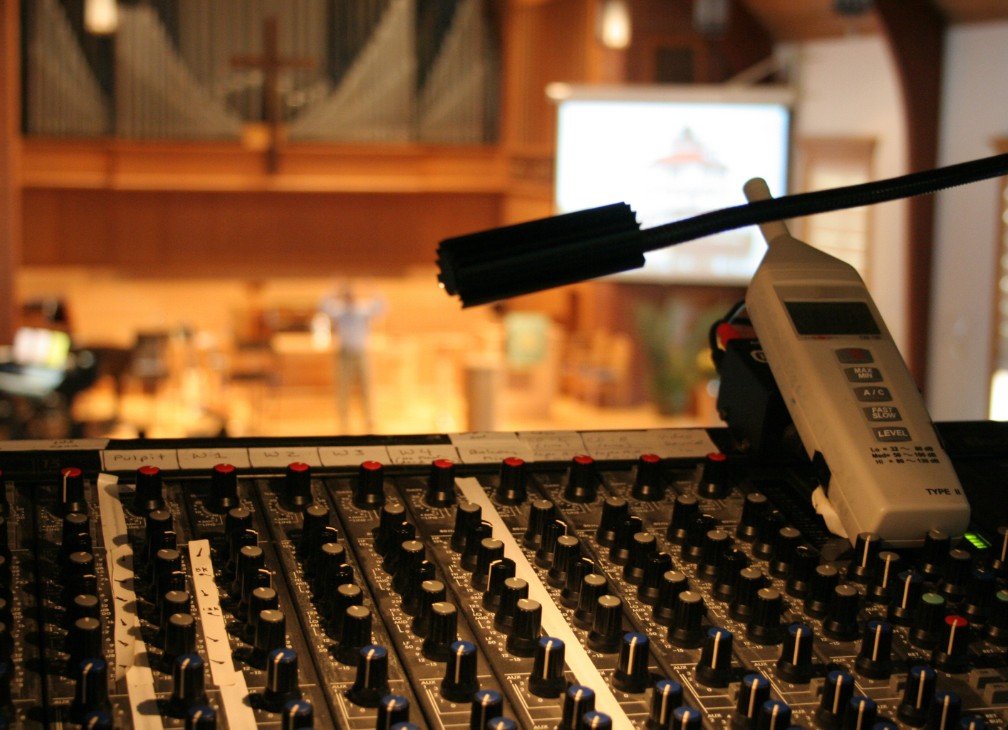
Sound systems that echo or fail during sermons add to the chaos. Members describe these interruptions as pulling them out of the spiritual experience, turning a time of reflection into a test of patience.
In one survey of 8,000 church leaders, reliability issues topped the list of challenges. Leaders admit that outdated equipment or poor internet connections exacerbate the problem, especially in rural areas.
To illustrate the impact, consider these frequent tech mishaps reported by congregants:
- Frozen screens during hymns, forcing awkward silences.
- App notifications that distract from prayers.
- Inconsistent audio levels that make it hard to hear the message.
Accessibility Barriers Alienate Groups
Not everyone can keep up with the digital pace, leading to feelings of exclusion. Older members often struggle with apps that require quick navigation or high-speed internet.
Generational gaps widen when tech assumes everyone has the latest smartphone. A focus group study revealed that many seniors feel sidelined, with some opting out of online services altogether.
Churches in urban areas report better access, but rural congregations face bandwidth limitations. This digital divide mirrors broader societal issues, where lack of training leaves people behind.
| Issue | Affected Group | Reported Impact |
|---|---|---|
| No captions on streams | Hearing-impaired | Miss key parts of service |
| Complex apps | Seniors | Avoid using for donations or events |
| Poor mobile optimization | Low-income members | Can’t participate remotely |
| Generational tech gaps | Youth vs. elders | Divided congregation experiences |
This table highlights how these barriers affect different demographics, based on recent church tech analyses.
Overreliance on Gadgets Diminishes Human Touch
When automation replaces volunteers, churches lose the warmth of personal connections. Members miss the greetings from ushers or the fellowship of live interactions.
Reports indicate that AI-driven tasks, while efficient, can make services feel impersonal. One church leader shared that replacing human hosts with digital check-ins led to a drop in attendance.
Volunteers feel undervalued when tech takes over their roles. This shift can erode community bonds, as people crave authentic relationships over seamless streams.
Balancing tech with human elements is key. Successful churches integrate volunteers into tech operations, like having them monitor chats during online services.
In 2025, with loneliness on the rise, tech that fosters real connections proves more vital than ever.
Jargon and Communication Breakdowns
Church announcements filled with terms like latency or bandwidth confuse many attendees. This insider language makes people feel like outsiders in their own community.
Clear communication is essential, yet many leaders overlook it. Simple explanations can bridge the gap, turning complex updates into relatable news.
Members express frustration on social platforms, noting how vague tech talks distract from the gospel message. Effective churches use plain words to keep everyone informed and engaged.
Pathways to Better Tech Integration
Churches can turn these turn-offs into opportunities by auditing their tools and gathering feedback. Training sessions for all ages help build confidence and inclusivity.
Investing in reliable systems and prioritizing people over gadgets leads to smoother experiences. As one report suggests, intentional use of AI can enhance ministry without overshadowing the human side.
Looking ahead, hybrid models that blend digital and in-person elements show promise. Churches that listen to member concerns often see renewed growth and satisfaction.
What do you think about tech in your church? Share your experiences in the comments below or pass this article along to spark a discussion with your community.