
The United States Senate Banking Committee has pushed back a key vote on the crypto market structure bill until early 2026. This delay stems from ongoing bipartisan talks between Republicans and Democrats over ethics rules, stablecoin regulations, and oversight details, leaving the digital asset industry in limbo as of December 16, 2025.
Background on the Crypto Market Structure Bill
Lawmakers have worked for months to create clear rules for cryptocurrencies in the United States. The bill aims to define how agencies like the Securities and Exchange Commission and the Commodity Futures Trading Commission will oversee digital assets.
This legislation builds on efforts to make America a leader in crypto innovation. President Donald Trump has voiced support for such measures to boost the sector. The House of Representatives already passed its version, called the Digital Asset Market Clarity Act, back in July 2025 with strong bipartisan backing. That vote saw 294 in favor and 134 against, including support from 216 Republicans and 78 Democrats.
The Senate version seeks to appoint the Commodity Futures Trading Commission as the main regulator for spot crypto markets. It also plans to clarify how securities laws apply to tokens and projects. Without this framework, the industry faces ongoing uncertainty, which has slowed investments and growth.
Recent events highlight the urgency. For instance, the collapse of major platforms like Terra in 2022 led to billions in losses and calls for better protections. Now, with Bitcoin prices hitting new highs above $100,000 in late 2025, stakeholders want rules that foster innovation without stifling it.
Reasons Behind the Delay
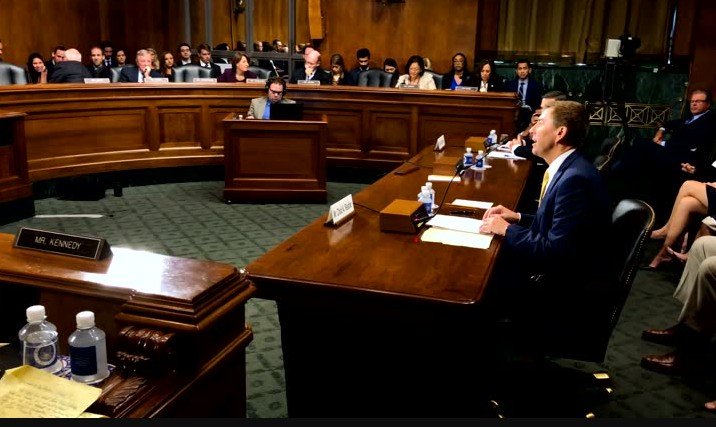
Senate Banking Committee Chairman Tim Scott announced on December 15, 2025, that no markup hearing would happen this week. His team stated that negotiations continue, with a target for early 2026.
Bipartisan disagreements have stalled progress. Democrats and Republicans cannot agree on key language for several sections. Senator Mark Warner pointed out wide gaps in consensus, saying talks remain far from over.
The timing aligns with the holiday season and end-of-year priorities in Congress. Lawmakers are also handling spending bills and other urgent matters. This pushback mirrors past delays in crypto policy, such as debates over stablecoin rules in 2024.
Ongoing talks focus on balancing innovation with safeguards. Scott emphasized the goal of bipartisan legislation to position the United States as the global crypto hub. However, without resolution soon, the bill risks further setbacks in a midterm election year.
Key Points of Disagreement in Negotiations
Democrats have pushed for strict ethics rules to stop public officials from profiting from crypto ventures while in office. This targets potential conflicts, including those linked to President Trump’s family businesses like World Liberty Financial.
Another sticking point involves stablecoins. Democrats worry that allowing yields or interest on these assets could lead to bank runs or instability if values drop suddenly.
Here are some main areas of debate:
- Ethics provisions to prevent insider trading in crypto by officials.
- Requirements for quick reviews of new digital assets by the Securities and Exchange Commission.
- Stronger anti-money laundering tools to block illicit uses, especially by groups like North Korean actors.
- Bipartisan makeup at regulatory agencies for fair oversight.
- Ongoing disclosures from crypto project leaders during active management.
Democrats sent a counteroffer earlier in December 2025, highlighting concerns over financial stability. Republicans, led by figures like Senator Cynthia Lummis, have resisted some changes, noting White House opposition to certain ethics clauses.
These issues reflect broader tensions. For example, stablecoins now hold over $150 billion in value as of late 2025, making regulation critical to avoid repeats of past crises like the 2022 market crash.
Implications for the Crypto Industry
This delay extends uncertainty for crypto firms and investors. Without clear rules, companies may move operations overseas to places with better frameworks, like the European Union or Singapore.
Market reactions have been mixed. Bitcoin dipped slightly after the announcement but recovered, trading around $105,000 on December 16, 2025. Experts say prolonged delays could slow adoption, yet some see it as a chance for more refined laws.
The industry has lobbied hard. Groups like the Blockchain Association argue for Commodity Futures Trading Commission leadership to treat most tokens as commodities, not securities. This could ease burdens compared to strict Securities and Exchange Commission oversight.
A table below outlines potential impacts:
| Aspect | Short-Term Effect | Long-Term Outlook |
|---|---|---|
| Investment | Possible slowdown due to uncertainty | Growth if rules clarify markets |
| Innovation | Firms may pause new projects | Boost with clear regulations |
| Global Standing | Risk of losing edge to other countries | Strengthened if bill passes strongly |
| Consumer Protection | Ongoing risks without safeguards | Improved stability and trust |
Overall, the holdup underscores the challenge of regulating a fast-evolving field. Past bills, like the 2024 Financial Innovation and Technology for the 21st Century Act, faced similar hurdles but advanced in the House.
What Happens Next for Crypto Regulation
Lawmakers plan to resume talks in early 2026. Chairman Scott remains optimistic about a bipartisan deal. With Republicans controlling the Senate, they may push for pro-innovation terms.
Industry leaders urge quick action. Delays could coincide with midterm elections, complicating matters further. Meanwhile, agencies like the Securities and Exchange Commission have stepped up enforcement, approving blockchain pilots for securities in recent months.
Observers expect more counteroffers soon. If resolved, the bill could reach the full Senate by mid-2026, potentially aligning with House efforts for final passage.
We encourage you to share this article with friends interested in crypto news and leave your thoughts in the comments below. What do you think this delay means for the future of digital assets?