
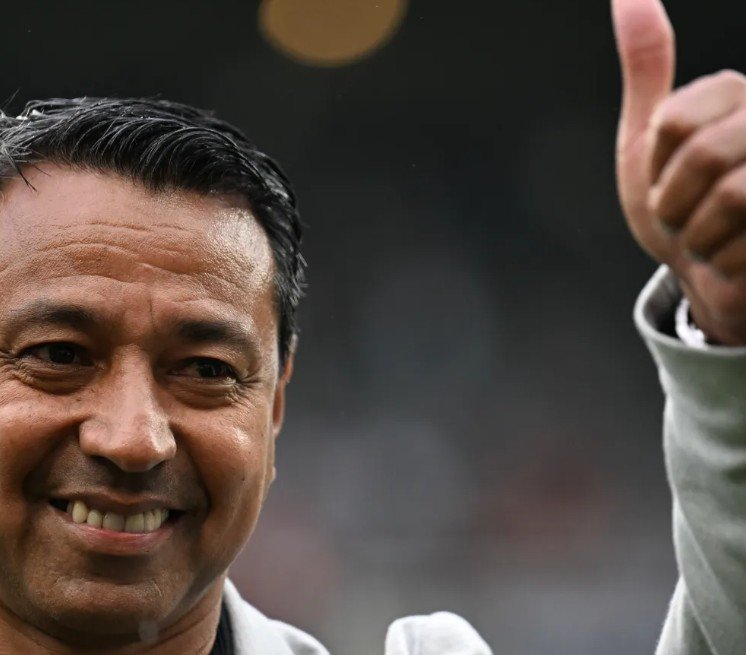
Lahore, Pakistan, saw Pakistan Football Federation President Syed Mohsen Gilani speak out on December 22, 2025, about the key role of departmental sports in building national success. He described these teams as the foundation for talent growth and strong competition in football and beyond, urging a push to revive them for Pakistan’s sporting future.
Gilani Highlights Key Role in Talent Growth
Syed Mohsen Gilani, head of the Pakistan Football Federation, shared his views during a recent address in Lahore. He pointed out how departmental sports have long supported athletes from the ground up.
These teams offer jobs, training, and chances to compete, which help players focus on their skills without financial worries. Gilani noted that many top athletes in Pakistan started in such setups.
This system builds discipline and teamwork, key for national teams. Without it, talent often goes unnoticed in remote areas.
Recent talks show a growing call to bring back these programs, especially after years of decline.
Historical Impact on Pakistan Sports
Departmental sports have shaped Pakistan’s success in various games for decades. In football, teams like those from Pakistan Customs and others have produced stars who went on to represent the country.
Gilani recalled how these groups dominated domestic leagues and helped in international events. For example, they played a big part in past Asian competitions.
Cricket and hockey also owe much to this model, with players from banks and utilities rising to fame. This approach created a steady flow of skilled athletes.
However, changes in recent years led to fewer such teams, hurting overall progress. Experts agree that reviving them could fix gaps in talent pipelines.
Evidence from Recent National Games
The latest National Games in 2025 proved Gilani’s point. All finalist teams in football came from departments, showing their strength in spotting and grooming players.
This event drew crowds and highlighted young talents ready for bigger stages. It inspired many to join sports.
Gilani used this as proof that departmental support leads to real results. He believes it can boost participation across provinces.
Such games also promote unity, bringing together players from diverse backgrounds.
Observers note similar patterns in other sports during the same event.
PFF Plans for Revival and Growth
The Pakistan Football Federation is rolling out new steps to strengthen departmental football. Gilani announced plans for more tournaments and training camps tied to these teams.
They aim to partner with institutions for better facilities and coaching. This includes a new league set to launch soon, involving departmental squads.
Funding from global bodies like FIFA will help, with recent appointments boosting Pakistan’s voice in reforms.
Gilani stressed working with stakeholders to make these efforts last. Early bids for the league show interest from big names, signaling positive change.
- Key PFF initiatives include structured events for young players.
- Focus on grassroots programs in underserved areas.
- Collaboration with departments for sustainable funding.
- Training workshops to build coaching skills.
Broader Benefits for National Success
Departmental sports do more than win games; they build national pride and health. Gilani said they instill values like hard work and unity.
In a country with young talent in places like Balochistan and Khyber Pakhtunkhwa, this system can reach far. It also creates jobs in sports-related fields.
Recent data from 2025 shows football popularity rising, with more fans in urban and rural spots. Reviving departments could tap into this trend.
Comparisons with neighboring countries like those in South Asia highlight the need for strong domestic structures.
Experts predict that with these changes, Pakistan could climb in global rankings by 2030.
Challenges and Path Forward
Despite the positives, hurdles remain. Funding cuts and competition from private leagues have weakened departmental teams.
Gilani called for government and private support to overcome this. He envisions a mix of old and new models for best results.
Recent protests and discussions on social media show strong backing for this revival. Leaders in other sports echo similar needs.
A balanced approach could lead to more international wins and inspire the next generation.
| Aspect | Current Status | Proposed Changes |
|---|---|---|
| Talent Pipeline | Declining due to fewer teams | Increase departmental involvement in leagues |
| Funding | Limited government support | Partnerships with FIFA and local sponsors |
| Participation | High in urban areas, low in rural | Expand grassroots programs nationwide |
| Achievements | Strong in National Games | Aim for Asian-level success by 2028 |
Future Outlook for Pakistan Football
Gilani remains hopeful, saying collective action will elevate the sport. With new leagues and reforms, 2026 could mark a turning point.
This push aligns with global trends in football development. Pakistan’s recent FIFA committee role adds momentum.
Stakeholders must act now to build on this foundation. The focus is on long-term growth for lasting impact.
Share your thoughts on departmental sports in the comments below, and spread this article to spark discussions on Pakistan’s football future.