
Huawei’s Mate 80 Pro has quietly stepped into the ring with Google’s Pixel 10 Pro, and the early verdict from real-world comparisons is surprisingly tilted. Even with all the software intelligence Google packs into the Pixel, Huawei’s $900 flagship is pushing ahead in areas buyers care about each day — battery life, charging, and long-term durability — creating a matchup that feels closer than anyone expected.
Huawei leans heavily on hardware strength, while Google bets everything on clever algorithms and AI. And buyers stuck between both strategies are simply trying to figure out which device won’t let them down at noon on a busy Wednesday.
Different Philosophies, Same Flagship Ambition
Huawei and Google aren’t building phones for the same personality type. The Mate 80 Pro feels engineered for people who want physical assurances — stronger frame, bigger battery, reinforced water protection. The Pixel, meanwhile, is built almost like a software-first device that just happens to have great hardware.
The tension between these design choices sits at the heart of this comparison and shapes every category from performance to photography. Sometimes it feels like comparing a long-distance runner to a sprinter. Both elite, but trained for different realities.
Interestingly, this clash is what makes the head-to-head so compelling.
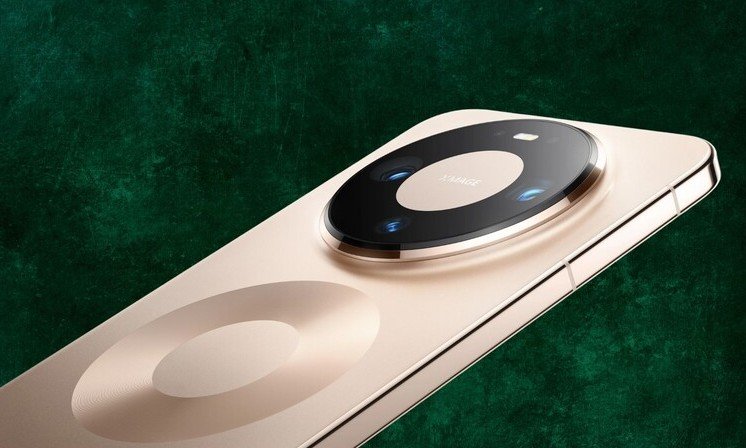
Design and Display Show Their Differences Early
A more rugged flagship versus a more polished one
The Mate 80 Pro doesn’t pretend to be delicate. It feels ready for harsher handling, thanks to materials that seem chosen for longevity instead of gloss. Its curves, weight distribution, and slightly thicker silhouette give off a certain confidence — the kind of phone you trust on a commute, in a backpack, or even around the beach.
The Pixel 10 Pro is almost the opposite. Sharp symmetry, minimalistic glass, and a refined metal frame create a sleeker personality. You look at it and think: premium, balanced, modern. It’s the kind of phone people baby without realizing they’re doing it.
One sentence says it all: Huawei feels sturdy in hand; Google feels fancy.
Colors, brightness, and everyday comfort
Huawei’s LTPO OLED goes big on immersion. Smooth transitions, vibrant tones, and PWM dimming that makes extended viewing easier on the eyes. It’s slightly larger, and you feel that extra real estate while scrolling through apps or watching videos.
Google, on the other hand, packs a brighter panel with sharper pixel density and richer HDR performance. Outdoor visibility? Pixel wins. High-contrast scenes in HDR YouTube content? Pixel again.
The difference becomes obvious in sunlight — Google shines harder, Huawei feels softer.
Verdict in one line
Mate wins on durability and immersion; Pixel takes brightness and HDR finesse.
Specs Show Two Very Different Performance Profiles
This is the part where the philosophies behind the devices start showing their footprints.
Kirin efficiency vs Tensor firepower
Huawei’s Kirin 9030 series aims squarely at stability and cool temperatures. The performance curve is smooth, predictable, and consistent. You don’t feel aggressive spikes. You feel balance. Everyday tasks glide without drama, and gaming stays steady without overheating.
Google’s Tensor G5 moves in the opposite direction — stronger bursts, powerful AI acceleration, and better computational imaging. Apps open faster. Multitasking feels snappier. The AI-enabled features stack up quickly, especially in creative work and camera processing.
One line summary:
If you handle heavy workflows, the Pixel simply feels more muscular.
Battery tells a completely different story
Huawei’s 5750 mAh battery is a monster. It lasts longer than most modern flagships and charges at absurd speeds — 100W wired and 80W wireless. You plug in for a few minutes and walk away with hours of screen time.
Google’s 4870 mAh cell is fine. Just… fine. A full day if you’re careful. Qi2 magnetic charging is convenient, and standby efficiency is solid, but the raw numbers don’t lie. It isn’t close.
And that’s before mentioning Huawei’s wireless speed wiping the floor with Google’s.
Verdict in one line
Pixel wins pure performance; Huawei obliterates it in battery endurance and charging convenience.
Camera Systems Highlight the Hardware-vs-Software War
This category is a tug-of-war between lens versatility and algorithmic intelligence. Neither phone tries to copy the other, which makes comparing them oddly fun.
Main cameras feel like two different art styles
Huawei relies on a variable aperture main camera that produces excellent depth, better low-light texture, and more natural blur. Rich color tones give photos a warmer, expressive feel. Its periscope zoom system is strong, delivering detailed images even in evening conditions.
Pixel 10 Pro is the computational king. Its HDR processing handles chaotic lighting like a pro. Daytime pictures look razor sharp, and fine textures pop. Zoom quality, especially with Zoom Enhance, is often more convincing than Huawei’s equivalent.
In other words:
Huawei wins if you trust optics; Google wins if you trust algorithms.
Selfies show another contrast
Huawei’s ultrawide autofocus selfie setup — with added 3D sensing — is great for group shots, secure face unlock, and versatility. Pixel goes with a higher-resolution 42MP selfie shooter, leaning on clarity, detail, and stabilized video.
And honestly? Pixel selfie video feels smoother. Huawei feels more adaptable.
Bullet-point break, because this category benefits from it
-
Huawei wins flexibility and natural depth
-
Pixel dominates HDR and daytime sharpness
Verdict in one line
A true tie — hardware brilliance vs software mastery.
Price Tips the Scale for Many Buyers
This is where Huawei sneaks in with a quiet knockout punch.
The Mate 80 Pro sells around $900, while the Pixel 10 Pro lands closer to $1000. A $100 difference isn’t huge on paper, but in a year where smartphone prices keep creeping upward, buyers feel that gap.
Throw in Huawei’s stronger battery and faster charging, and the value equation changes fast.
A simple truth emerges:
Google offers smarter software; Huawei offers more phone for the money.
How Everyday Users Should Interpret This Matchup
Some comparisons end with a clear winner. This isn’t one of them. It’s more like two athletes excelling in entirely different sports.
If you want intelligence, AI-led photography, and seamless Google services — the Pixel 10 Pro fits like a glove.
If you want hardware stamina, fast charging, durable design, and a price that feels more grounded — the Mate 80 Pro makes a compelling case.
Both phones hit premium status, but the balance of strengths feels slightly tilted in Huawei’s favor this time, especially for buyers who value practicality over experimental AI features.
And that’s why the $900 Mate 80 Pro is turning heads: it beats the Pixel 10 Pro in parts of the smartphone experience that matter most to everyday users.