
Google’s ongoing hardware struggles with Pixel phones, Nest devices, and wearables are raising alarms in the tech world. As of late 2025, these problems, including bugs, overheating, and reliability glitches, could weaken the company’s grip on the growing AI ecosystem.
Pixel Phones Face Mounting Complaints
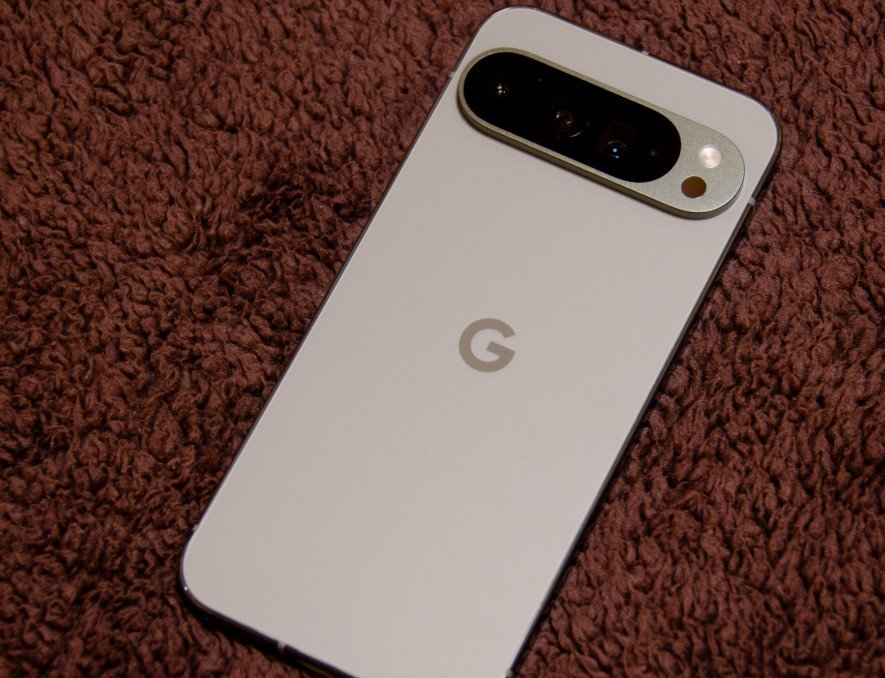
Pixel smartphones have drawn sharp criticism this year for persistent flaws that affect daily use. Users report frequent battery drain after software updates, with many noting a sharp drop in performance following the May 2025 patch. Overheating remains a top grievance, especially during simple tasks like video calls or navigation.
These issues extend to newer models, where network connectivity falters, leading to dropped calls and slow data speeds. Google aimed to boost reliability by partnering with advanced chip makers, but optimization gaps have left devices feeling unfinished. Tech forums buzz with stories of phones that promise smooth AI features but deliver frustration instead.
In one widespread case, the October 2025 update caused Wi-Fi nightmares for countless owners, sparking online backlash. This pattern erodes trust, as buyers expect hardware that matches Google’s software strengths.
Nest Devices Struggle with Reliability
Google’s Nest lineup, meant to anchor smart homes, battles its own set of reliability hurdles. Connectivity drops plague thermostats and cameras, often requiring manual resets or firmware tweaks. Users in 2025 have highlighted how software updates sometimes worsen these problems, turning helpful gadgets into headaches.
For example, doorbells and speakers face integration snags with other Google services, leading to delayed notifications or false alerts. This inconsistency stands out in a market where rivals offer seamless experiences.
Despite efforts to refine the ecosystem, cultural divides within Google seem to hinder progress. Teams focused on software innovation sometimes overlook hardware demands, resulting in products that underperform over time.
A quick look at common Nest complaints shows a clear trend:
- Frequent disconnections from home networks
- Software updates that introduce new bugs
- Hardware wear leading to sensor failures
These setbacks make it tough for Google to build a loyal user base in the smart home space.
Wearables Hit by Battery and Accuracy Woes
Google’s push into wearables has not escaped scrutiny, with battery life and tracking accuracy drawing fire. The latest Pixel Watch models suffer from quick drain during AI-powered health monitoring, forcing users to charge multiple times a day. Accuracy issues in heart rate and step counting add to the dissatisfaction, as data often mismatches real-world results.
In 2025 reviews, critics point out how these flaws limit the appeal of wearables in an AI era, where precise data fuels personalized insights. Competitors like Apple and Samsung deliver more dependable options, putting Google at a disadvantage.
| Wearable Model | Main Issue | User Impact |
|---|---|---|
| Pixel Watch 3 | Battery drain | Limits all-day use for fitness tracking |
| Fitbit Versa 5 | Accuracy errors | Inaccurate health metrics mislead users |
| Pixel Buds Pro 2 | Overheating | Discomfort during extended wear |
This table captures key problems reported across models, based on widespread feedback. Such shortcomings question Google’s ability to compete in a crowded field.
How Hardware Flaws Threaten AI Dominance
These hardware missteps come at a critical time, as AI integration demands reliable devices to thrive. Google’s ecosystem relies on seamless hardware to power features like real-time translation and smart assistants. Yet, recurring failures risk pushing users toward rivals with stronger hardware-software harmony.
Analysts warn that without fixes, Google could lose ground in the AI race. For instance, if Pixel phones cannot handle intensive AI tasks without overheating, adoption of new tools like advanced Gemini features may stall. This echoes broader industry shifts, where hardware quality directly influences AI success.
Logical reasoning suggests Google’s software edge alone may not suffice. Recent events, such as the rapid rise of AI chips in devices, highlight the need for robust hardware. Competitors are already blending AI with dependable gadgets, leaving Google to play catch-up.
Google’s Efforts to Turn the Tide
Google has acknowledged these challenges and rolled out fixes throughout 2025. Emergency hotfixes addressed battery woes in December, while lab testing aims to stress-test future devices for better durability. The company invests in reliability labs to simulate real-world use, hoping to bridge gaps.
Partnerships with manufacturers like TSMC signal a strategic shift toward improved chip efficiency. Still, experts call for deeper cultural changes to align hardware development with software standards.
Users appreciate these steps but demand faster resolutions. Ongoing updates show promise, yet consistency remains key to rebuilding confidence.
Looking Ahead: Can Google Recover?
The road ahead for Google involves balancing innovation with execution. With AI set to dominate 2026, resolving hardware issues could secure its ecosystem’s future. Success stories from past updates offer hope, but repeated stumbles suggest a need for bolder reforms.
Industry watchers predict that focusing on user feedback and rigorous testing will be crucial. If Google adapts, it might strengthen its position; otherwise, competitors could erode its lead.
Share your thoughts on Google’s hardware challenges in the comments below, and spread this article if it helped you understand the bigger picture.