
Google is doubling down on augmented reality. The company has extended its partnership with Xreal, naming the AR specialist its lead hardware collaborator for Android XR, with new smart glasses planned for launch in 2026. The move sharpens Google’s push into spatial computing as rivals close in.
The announcement, made Tuesday, signals a clear intent. Google wants Android XR devices in real hands, sooner rather than later, and it is betting that Xreal can help make that happen.
A multi-year bet on Android XR hardware
At the center of the deal is Google’s decision to extend its collaboration with Xreal on a multi-year basis, formally elevating the company to lead hardware partner for Android XR.
For Google, this is about focus.
Rather than spreading efforts across several early-stage device makers, the company is concentrating its hardware ambitions around a single partner with a track record in lightweight AR glasses. Xreal has already shipped multiple consumer-facing devices and built a following among early adopters who prefer glasses over bulky headsets.
The partnership aims to speed up development of optical see-through AR devices that layer digital information onto the real world. These are wired devices for now, connected to phones or compute packs, but they are seen as a stepping stone toward more independent wearables.
One sentence sums up the strategy: Google wants Android XR to feel real, usable, and familiar, not experimental.
That urgency matters.
Industry watchers say Google learned from past missteps in wearables that timing and hardware polish can make or break adoption. This time, it is moving with fewer distractions and clearer ownership lines.
Project Aura and the promise of everyday AR
The most visible outcome of the partnership is Project Aura, a compact AR glasses system expected to reach the market in 2026.
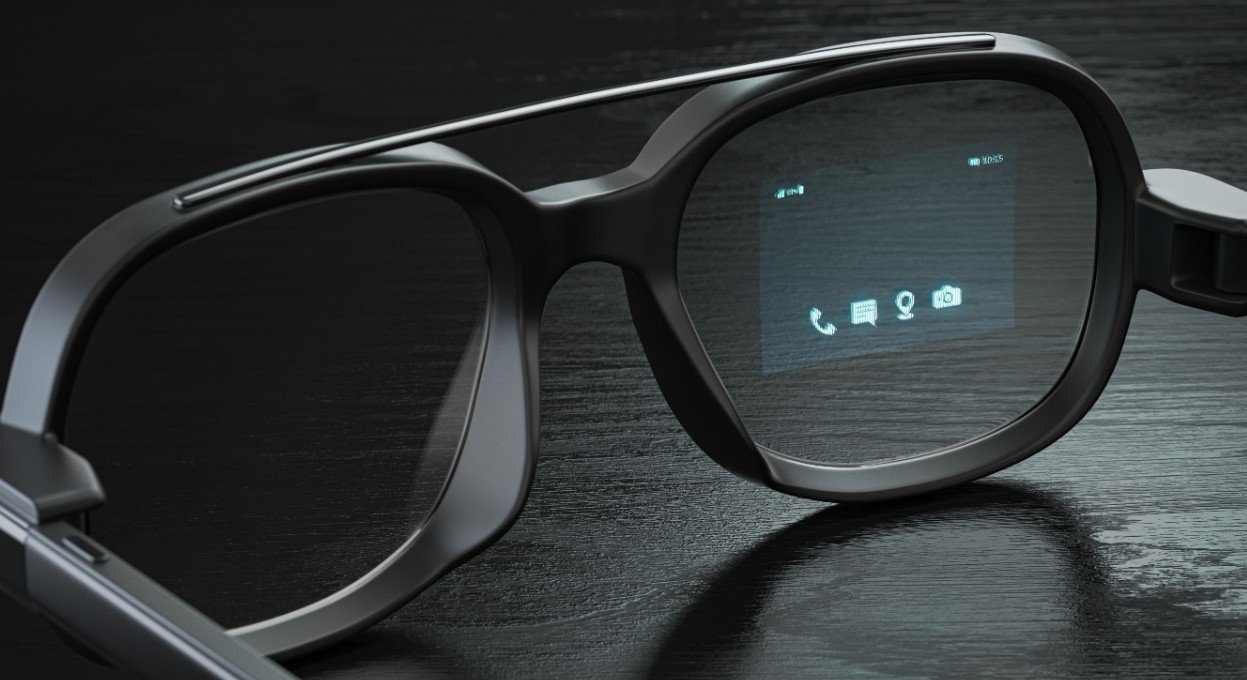
Project Aura was first revealed in mid-2025, but the new agreement puts it front and center as the flagship Android XR device. The glasses use optical see-through lenses, allowing digital content to sit naturally on top of real-world views. No opaque screens. No full immersion. Just overlays where you need them.
According to people familiar with the project, Aura is designed to be worn for longer stretches. Comfort and weight are priorities. Style matters too, because let’s be honest, nobody wants to look like they’re wearing lab gear on a coffee run.
A key feature is deep integration with Gemini, Google’s AI system. Gemini enables voice-driven interactions, context-aware suggestions, and real-time assistance that reacts to what users see and say.
Think directions floating in your line of sight. Messages summarized without pulling out a phone. Small nudges that feel helpful instead of intrusive.
Some of the expected capabilities include:
-
Real-time translation layered over text and signage
-
Hands-free search and reminders triggered by location
-
Context-based prompts driven by visual input
That list is not exhaustive, but it gives a sense of where Google sees everyday value. AR, in this vision, fades into the background and just sort of works.
Building an open ecosystem, not a walled garden
One theme Google keeps returning to is openness.
Android XR is positioned as a platform that hardware makers and developers can build on without being locked into a single vendor’s rules. That stands in contrast to more tightly controlled ecosystems from competitors.
By naming Xreal as lead collaborator, Google is trying to strike a balance. It gets consistency in early hardware while keeping the broader platform open to others down the road.
Developers are a big part of this story.
Google says the partnership will expand tools, APIs, and testing environments so developers can build XR apps without reinventing the wheel. The goal is familiarity. If you already build for Android, Android XR should feel like an extension, not a foreign language.
One small but telling detail is the focus on wired devices first. Wired XR reduces cost and complexity, which lowers the barrier for both buyers and developers. It is a practical choice, even if it lacks the flash of fully standalone headsets.
Basically, Google seems more interested in steady progress than hype cycles.
Pressure from Apple and Meta is hard to ignore
This partnership extension does not exist in a vacuum.
Apple and Meta are pushing hard in spatial computing, each with very different philosophies. Apple’s approach emphasizes tight integration and premium hardware, while Meta leans into social experiences and scale.
Google is threading a narrower path.
It wants Android XR to be flexible, affordable, and adaptable across many device types. Partnering closely with Xreal helps ensure there is at least one polished reference design that shows what the platform can do.
Industry analysts say this is Google acknowledging reality. The XR market is crowded, expensive, and still searching for its breakout use case. No single company has cracked it yet.
By anchoring Android XR around AR glasses instead of full headsets, Google is making a quieter bet. Glasses are less intimidating. They feel more natural. And they might slide into daily life more easily.
Whether that works remains an open question.
Hardware, silicon, and the road to 2026
Behind the scenes, the partnership also leans on chipmakers and component suppliers. Earlier disclosures around Project Aura highlighted collaboration with Qualcomm, whose XR-focused processors are optimized for low latency and power efficiency.
This matters because AR glasses live or die on performance constraints. Heat, battery drain, and responsiveness are constant enemies.
Google’s role is largely software and platform stewardship, while Xreal handles industrial design, optics, and user comfort. Qualcomm fills the gap in silicon. It is a three-way dance, and everyone needs to stay in sync.
One paragraph says it plainly: without tight coordination, even small missteps can derail timelines.
So far, though, the companies appear aligned.
Google has said Android XR will support a range of form factors over time, but glasses remain the near-term focus. That makes 2026 a key checkpoint. If Project Aura lands well, it could validate the platform and attract more partners.
If it stumbles, the road gets steeper.
Why this partnership matters more than it sounds
On the surface, this is a partnership extension. Those happen all the time. But the implications run deeper.
Google is signaling commitment. Real commitment. It is putting its Android brand behind XR in a way it has not done since earlier experiments fizzled out.
For Xreal, being named lead hardware collaborator is a major endorsement. It elevates the company from niche player to central figure in Android’s XR story.
And for the industry, it adds another credible attempt to make AR glasses something people might actually use.
Will Android XR become a mainstream platform? Nobody knows. But this move suggests Google believes the pieces are finally lining up.