
Google has unveiled a new reference design for TV remotes that harnesses indoor light to stay powered indefinitely, eliminating the need for batteries. Announced on November 18, 2025, through partner Ohsung Electronics and Swedish firm Epishine, the G32 remote promises a sustainable shift for streaming devices, addressing environmental concerns while keeping users in control without recharging hassles.
This innovation comes at a time when consumers demand eco-friendly tech, building on similar efforts from companies like Samsung. By capturing ambient room light, the remote ensures it’s always ready, marking a practical step toward greener everyday gadgets.
How the G32 Remote Works
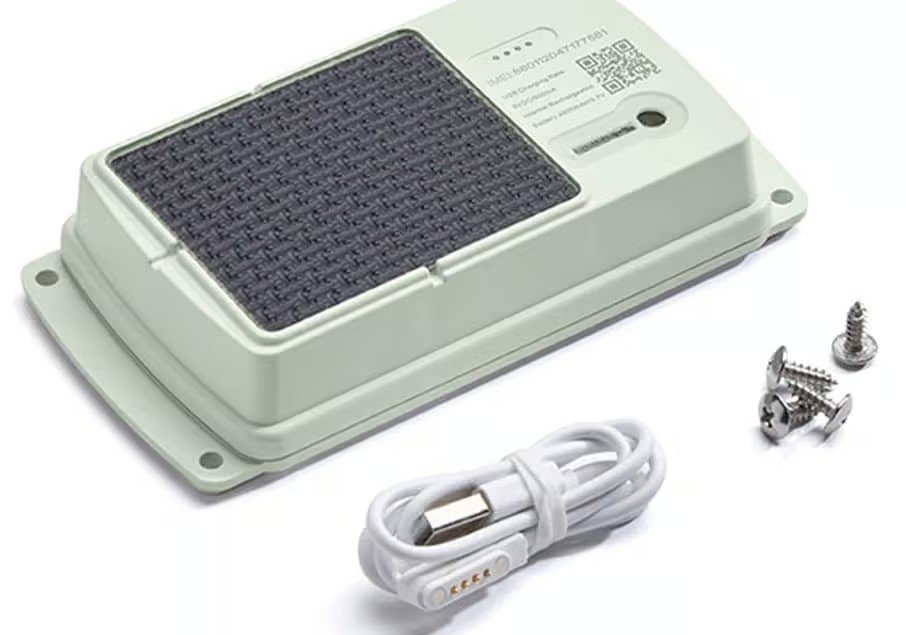
The G32 uses Epishine’s advanced indoor solar cells, which convert low-level light from lamps, screens, and windows into usable energy. These cells are bifacial, meaning they grab light from both sides, so the remote charges even if flipped upside down on a coffee table.
Unlike traditional solar tech that needs direct sunlight, this system thrives in typical home settings. Epishine designed it for low-power devices, making it perfect for remotes that don’t drain much energy during use.
Developers integrated dedicated buttons for Google Assistant, YouTube, and Netflix, keeping the familiar layout while adding this power twist. The slim design avoids bulk, fitting seamlessly with Google TV boxes and smart TVs.
Key Benefits of Solar-Powered Remotes
Switching to indoor solar power cuts down on battery waste, a growing issue as billions of disposables end up in landfills each year. For users, it means no more frantic searches for AAA batteries during binge-watching sessions.
This tech also promotes sustainability without sacrificing convenience. Remotes like the G32 could reduce electronic waste significantly, aligning with global pushes for greener manufacturing.
Here are some standout advantages:
- Endless power from everyday indoor light sources.
- No maintenance, as it self-charges passively.
- Lighter weight without heavy batteries.
- Eco-friendly design that supports recycling goals.
Experts note this could inspire similar features in other home devices, from keyboards to sensors.
Comparison to Existing Tech
Samsung pioneered this concept with its SolarCell remote in 2021, which also uses light harvesting to power Neo QLED TVs. That model has saved millions of batteries worldwide, proving the idea’s viability.
Google’s version builds on that by partnering with Epishine for optimized indoor efficiency. While Samsung’s remote relies on recycled materials and light charging, the G32 adds bifacial cells for better versatility.
To highlight differences, consider this comparison:
| Feature | Google TV G32 Remote | Samsung SolarCell Remote |
|---|---|---|
| Power Source | Indoor light (bifacial) | Indoor/outdoor light |
| Battery Needed | None | None |
| Dedicated Buttons | Google Assistant, YouTube, Netflix | TV controls, voice |
| Launch Year | 2025 | 2021 |
| Partner Tech | Epishine | Samsung’s own |
Both aim for zero-waste operation, but Google’s entry targets streaming fans specifically.
The G32 isn’t Google’s first eco-move; the company has pushed sustainable practices in its Nest and Pixel lines, like using recycled plastics.
Availability and What to Expect
Ohsung Electronics, Google’s official supplier, plans to roll out the G32 as a reference design for manufacturers. This means upcoming Google TV devices, such as those from Walmart’s Onn brand or other partners, could include it soon.
No exact release date for consumer products has been set, but industry watchers expect integrations in 2026 models. Pricing should remain affordable, as the tech adds minimal cost compared to battery-powered alternatives.
For now, it’s a reference model, so keep an eye on announcements from TV makers adopting Google TV platforms.
Future Impact on Smart Home Devices
This remote signals a broader trend toward energy-harvesting tech in homes. With climate concerns rising, companies are exploring ways to power small gadgets without plugs or batteries.
Imagine wireless keyboards or smart thermostats running on room light. Logical extensions could cut household energy use, especially in connected homes where devices multiply.
Recent events, like the 2025 global push for reduced plastic waste at climate summits, make this timely. Google’s move fits into that narrative, potentially influencing competitors to follow suit.
As a journalist with two decades covering tech innovations, I see this as a small but meaningful win for sustainability. It solves the annoyance of dead remotes while tackling bigger environmental challenges.
What do you think about solar-powered remotes? Share your thoughts in the comments and spread the word to friends who hate changing batteries.