
Vietnam’s banking sector is seeing a major split in strategy as the new fiscal year unfolds. The State Bank of Vietnam is pulling back on credit expansion to keep the economy safe. However, top private banks are pushing for aggressive growth.
This creates a fascinating tension in the market. Regulators want stability after a hot year of lending. But ambitious lenders like VPBank and MB are betting big on a strong economic recovery. They plan to pump billions of dollars into the market.
A Clear Divide in Banking Strategies
The central bank has made its stance clear for 2026. They set a credit growth target of 15 per cent. This is lower than the 16 per cent target we saw last year. It is also much lower than the massive 19.1 per cent growth recorded in 2025.
The message from the top is simple: prioritize safety and control risks.
Yet, a new report from Vietcombank Securities Company (VCBS) tells a different story about private lenders. Their analysts predict that dynamic private banks will lead the charge. They expect these banks to expand their loan portfolios by more than 20 per cent.
This is not just a small difference. It is a bold move that separates private players from the state-owned giants.
We are seeing a market that runs at two different speeds. The state sector is cautious. The private sector is hungry for growth. This divergence will shape the flow of money in Vietnam for the rest of the year.
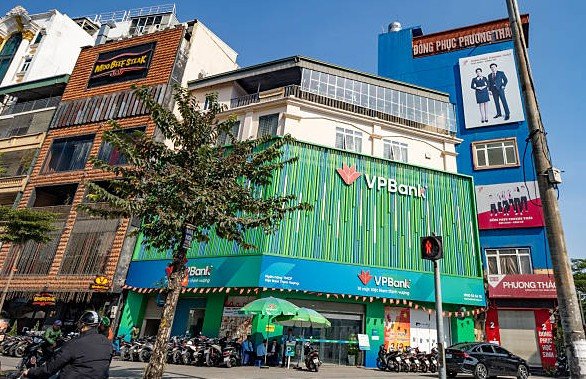
Giants Lead the Charge
Two names stand out in this aggressive push for growth. VPBank and MB are setting targets that far exceed the national average.
VPBank has announced a massive goal. They plan to push their consolidated outstanding loans past VNĐ1.29 quadrillion. That is roughly US$49 billion. If they hit this number, it would mean a growth rate of about 34 per cent compared to last year.
This level of expansion is rare for a bank of this size.
MB is also aiming high. They are targeting credit and deposit growth of about 35 per cent. Their strategy relies heavily on retail banking. They want to lend more to individuals and small businesses rather than just big corporations.
These targets are more than double what the central bank suggests for the wider system.
Comparing the Targets
| Institution | 2026 Growth Target | Primary Focus |
|---|---|---|
| State Bank (SBV) | 15% | System Stability |
| VPBank | ~34% | Market Expansion |
| MB Bank | ~35% | Retail & Digital |
| Industry Avg | 16-18% (Forecast) | Mixed |
It is clear that these banks feel confident. They believe the demand for capital is there. They also believe they have the internal strength to handle this growth.
The Power of Capital Buffers
You might wonder how these banks can plan such huge growth when the regulator is cautious. The answer lies in their capital strength.
Banks like VPBank have spent years building up their reserves. Recent capital injections from foreign partners have given them deep pockets. This allows them to lend more while keeping their capital adequacy ratios high.
Money in the bank means power in the market.
When a bank has a lot of capital, it can absorb more risks. It can also request more “credit room” from the State Bank. In Vietnam, the central bank grants lending quotas based on the health of the bank.
Stronger banks get higher quotas. VPBank and MB are using their financial health as a ticket to grow faster than their rivals. They are betting that their strong foundations will convince regulators to let them run loose.
- High capital buffers protect against bad debt.
- Strong digital platforms lower the cost of finding new borrowers.
- Diverse loan portfolios spread the risk across different sectors.
Risks Lurking in the Shadows
This aggressive strategy does come with risks. Growing a loan book by 35 per cent in one year is difficult. Doing it safely is even harder.
The economy is still facing headwinds. Inflation is always a concern. If the global economy slows down, borrowers might struggle to pay back loans. This leads to bad debt.
Rapid lending often leads to lower credit quality.
Critics argue that chasing high targets might force banks to lend to riskier customers. If the economy takes a bad turn, these banks could be left with a pile of bad loans.
However, supporters say this credit is needed. Businesses need money to expand. Families need money to buy homes and cars. If banks stop lending, the economy stops growing. Private banks argue they are fueling the nation’s development.
We also have to look at the medium and small banks. They are trying to keep up. But without the massive capital buffers of the giants, they face a tougher road. They have to balance growth with survival.
In the end, 2026 will be a test of nerve. The central bank will watch closely. If inflation spikes, they might tighten the rules. If the economy needs a boost, they might let the private banks run free.
For now, the private banks have placed their bets. They are going all in on growth. Whether this pays off for them and the wider economy remains the biggest story to watch this year.
We want to hear your thoughts on this financial trend. Do you think banks are taking on too much risk, or is this the boost the economy needs?