Samsung Electronics is leading what could be the biggest shift in its mobile history by steering its upcoming Galaxy S26 lineup away from the familiar “smartphone” tag and toward a future built around artificial intelligence and real world usefulness. New teasers and company messaging now show Samsung calling the Galaxy S26 an “AI phone,” a term the company hopes will tell customers that this device does much more than make calls and run apps. The Galaxy S26 series is scheduled to debut at the Galaxy Unpacked event on February 25, 2026, in San Francisco, with the company suggesting its latest innovations will make everyday life easier and smarter for users.
The announcement has sparked excitement and questions across tech communities. Samsung is making this shift amid growing competition in mobile AI from rivals such as Apple and Google, and by promoting tools that aim to go beyond basic phone behaviours to more proactive assistance. But the effort also comes with risk if these new features do not meet consumer expectations.
Samsung’s AI Phone Idea and What It Really Means
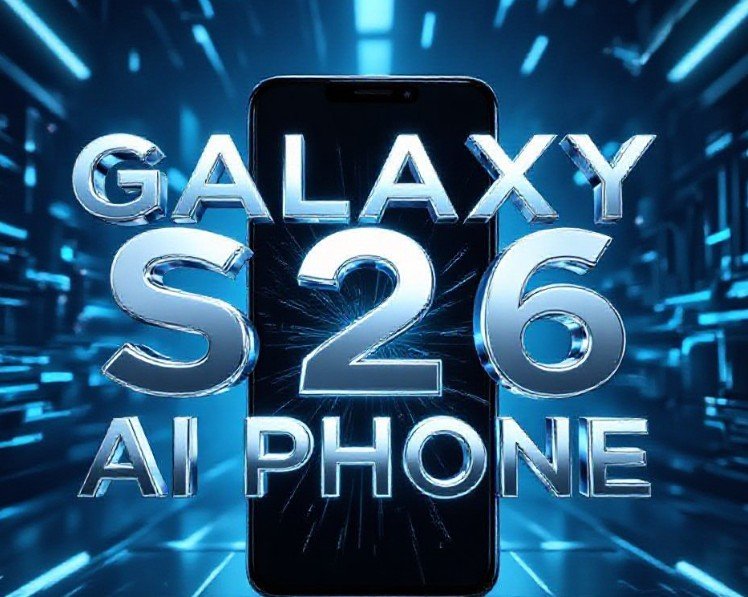
Samsung’s recent teasers and official posts clearly position the Galaxy S26 as an “AI phone” rather than a traditional smartphone. In multiple short social clips and marketing phrases, Samsung intentionally replaces the word smartphone with AI phone to shift how people think about flagship devices. This change is not just cosmetic but part of a broader strategy to centre artificial intelligence as the core value of the new lineup.
The company has explained that the device is designed to reduce friction in daily routines, assist users more intelligently, and make Galaxy AI feel personal and adaptive from the first use. Samsung executives have said they want the phone to help handle everyday tasks, freeing users from repetitive work and offering anticipatory assistance.
According to Samsung announcements, Galaxy AI will be deeply integrated into One UI 8.5, the new software layer powering the S26 family. Reports suggest this could include innovative tools like AI notification summaries, smarter photo editing, contextual task suggestions, and adaptive system behaviour based on user habits. Some features may be hidden within One UI 8.5 and only fully unlocked on the new S26 devices.
New Features That Could Justify the AI Phone Label
Samsung is using a multi-pronged push to make its case that Galaxy S26 is much more intelligent than past devices. Industry leaks and reports point to several new or enhanced capabilities that the company may showcase:
-
AI Notification Summaries: These sum up alerts from various apps so users see key messages quickly and clearly without scrolling endlessly.
-
Smart Privacy Display: A unique “zero peeking” privacy screen uses AI to block sensitive content from side views, protecting user privacy in public spaces.
-
Scam Detection Tools: Rumours indicate the series may include on‑device scam detection, a feature originally exclusive to some rival devices, which warns users of potential fraud during calls.
-
Deeper Camera Intelligence: The upcoming models are likely to bring camera enhancements supported by on‑device AI for better low‑light shots, dynamic scene optimization, and real‑time noise reduction.
These developments point to a device that tries to make intelligent decisions about how to help users throughout the day, rather than waiting for commands.
Why Samsung Is Betting Big on AI in Phones
For years, smartphone upgrades have largely focused on incremental improvements in speed, battery life, and cameras. But these do not always feel transformative to everyday users. Samsung is now attempting to position AI as the primary differentiator, hoping it will rejuvenate interest in flagship phones at a time when many users keep their devices longer.
Industry analysts see this move as part of a broader trend across tech brands to embed AI into core products. Apple is pushing its Apple Intelligence platform, while Google is expanding its generative AI efforts across Pixel and Android services. Samsung’s strategy appears to be to match or even leap ahead by offering proactive and adaptive features out of the box.
Many leaks also suggest Samsung may partner with third‑party AI companies to elevate its own assistant experiences. Reports earlier suggested potential integration with Perplexity AI to power parts of its virtual assistant and search capabilities, bringing outside AI expertise into the Galaxy system. Such partnerships, if realized, could reduce reliance on traditional AI engines and differentiate Samsung’s ecosystem.
Risks and Consumer Expectations
While the AI phone strategy sounds exciting, it carries notable risks. True agentic AI that anticipates user needs before explicit commands remains difficult to build and deliver consistently. Some tech watchers have raised concerns that such features may feel gimmicky or intrusive if they are not executed smoothly or if they require too much user training. Unmet expectations could lead to frustration among buyers who hoped for real, everyday help rather than marketing hype.
Privacy and data usage will also be crucial. With more intelligent tools needing deeper access to user data, Samsung must balance personalised assistance with robust protections. Consumers are increasingly aware of data privacy issues, and any missteps could undermine trust in these capabilities.
Additionally, not all AI enhancements may be available on all models equally. While rumours suggest top‑tier models may get exclusive tools at launch, mid‑range varieties might offer a subset of features, creating confusion among buyers.
Samsung’s Strategic Moment in Mobile
Samsung’s decision to redefine its flagship device as an AI phone signals a new chapter in the mobile industry. Whether this becomes a turning point or a cautionary tale will depend largely on how well the Galaxy S26 can deliver meaningful, reliable AI experiences at launch and beyond. The company’s Galaxy Unpacked event on February 25, 2026 will provide the first full public look at how these ideas translate into real products.
If the Galaxy S26 succeeds at blending genuine usefulness with intuitive AI power, it could set a new benchmark for what consumers expect from mobile devices. If not, Samsung risks disappointing users who may feel the term “AI phone” was more marketing than meaningful innovation.