
Emirates airline has banned the use of power banks on all its flights starting October 1, 2025, to boost passenger safety amid rising concerns over lithium battery fires. This major policy shift affects millions of travelers who rely on these portable chargers during long-haul journeys, pushing them to charge devices before boarding.
Why Emirates Made This Change
Airlines around the world are tightening rules on lithium-ion batteries after several incidents of overheating and fires on planes. Emirates conducted a thorough safety review and found that power banks pose a risk of thermal runaway, where batteries can overheat rapidly and cause smoke or flames.
This decision aligns with global aviation trends. For example, other carriers like Flydubai have adopted similar restrictions, limiting power banks to one per passenger under 100 watt-hours in carry-on luggage only. Experts say these moves help crews respond quickly to any issues in the cabin rather than the cargo hold.
Recent data from aviation authorities shows a 20 percent rise in battery-related incidents on flights over the past two years. Emirates aims to cut these risks, especially on ultra-long routes like Dubai to New York, which last over 14 hours.
What Passengers Can and Cannot Do
Travelers can still bring one power bank on board, but it must stay off and stored safely. The airline allows devices up to 100 watt-hours, which covers most standard models used for phones and tablets.
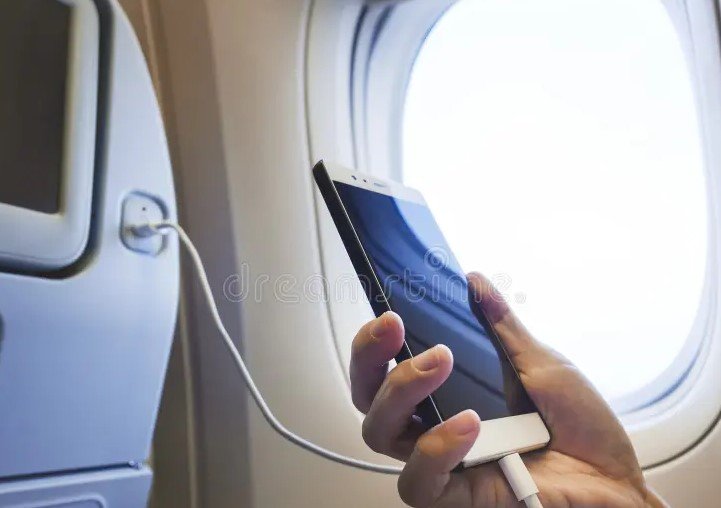
However, charging the power bank or using it to power other gadgets during the flight is strictly forbidden. Passengers should plug devices directly into seat outlets, available in all classes on Emirates planes.
For those with larger needs, like laptops on business trips, the rule encourages pre-flight preparation. Economy class flyers on overnight routes might feel the impact most, as they often depend on power banks for entertainment.
Here are key guidelines for carrying power banks:
- Limit: One per passenger, in carry-on only.
- Size: Must be under 100 watt-hours; check the label for details.
- Storage: Keep it in the seat pocket or under your seat for easy access.
- Usage: No charging or recharging allowed mid-flight.
Impact on Long-Haul Travel
This ban could change how people plan trips, especially for routes spanning continents. With Emirates operating over 3,600 flights weekly to 140 destinations, many passengers on journeys longer than 10 hours will need backup plans.
Industry analysts predict a surge in sales of high-capacity phone batteries or portable solar chargers that comply with rules. Some travelers are already sharing tips online about using airport charging stations before takeoff.
In a recent survey by a travel association, 65 percent of frequent flyers said they use power banks on every flight. This policy might push more people toward premium seats with better power options.
| Flight Route | Duration | Power Bank Need Level |
|---|---|---|
| Dubai to Sydney | 14 hours | High – Long overnight flight |
| Dubai to London | 7 hours | Medium – Shorter but busy route |
| Dubai to New York | 15 hours | High – Cross-continental travel |
| Dubai to Singapore | 7 hours | Low – Quick regional hop |
Broader Safety Trends in Aviation
Battery safety is not just an Emirates issue; it’s a growing focus across the industry. Regulators like the Federal Aviation Administration have reported over 400 lithium battery incidents since 2019, prompting calls for stricter global standards.
Emirates has invested in crew training for handling battery fires, including new equipment like fire containment bags. This comes alongside other eco-friendly efforts, such as using sustainable aviation fuel on select routes.
Looking ahead, experts believe more airlines will follow suit by 2026, potentially leading to universal rules. For now, Emirates passengers should check their power bank specs to avoid surprises at the gate.
How to Prepare for Your Next Flight
To stay powered up, fully charge all devices at home or in the airport lounge. Emirates offers USB ports and AC outlets in every seat, so direct charging remains an option.
If you travel often, consider investing in compliant accessories or apps that monitor battery life. This ban highlights the need for self-reliance in the air.
What do you think about this new rule? Share your thoughts in the comments and spread the word to fellow travelers.