The gaming world is on high alert following a massive leadership shakeup at Microsoft. Seamus Blackley, the original architect behind the first Xbox console, has issued a stark warning about the brand’s future. He suggests the tech giant is quietly moving away from gaming hardware to focus entirely on artificial intelligence.
This controversial perspective comes right after a major changing of the guard at the top of the Xbox division. The comments have sparked intense debate regarding the long term survival of the console market as we know it.
A Historic Shift in Leadership
Microsoft has officially appointed Asha Sharma as the new CEO of Microsoft Gaming. She steps into the role following the retirement of longtime leader Phil Spencer.
This transition is more than just a standard corporate handover. It coincides with the sudden departure of Xbox President Sarah Bond. This marks the most substantial leadership change the division has seen in nearly a decade.
The choice of Sharma has raised eyebrows across the industry. She joins the gaming vertical directly from Microsoft’s CoreAI division. Unlike Spencer or Bond, she does not have a background rooted deeply in traditional video game culture or hardware development.
Her appointment signals a clear pivot in corporate priorities toward generative technology. Investors may be pleased with the new direction. However, longtime fans of the brand are expressing deep concern on social media platforms like X and Reddit.
The Founder Sounds the Alarm
Seamus Blackley played a pivotal role in launching the original Xbox in the early 2000s. He is known for his candid and often unfiltered takes on the industry he helped build.
In a recent interview with GamesBeat, Blackley offered a sobering interpretation of these executive moves. He believes the writing is on the wall for the hardware business.
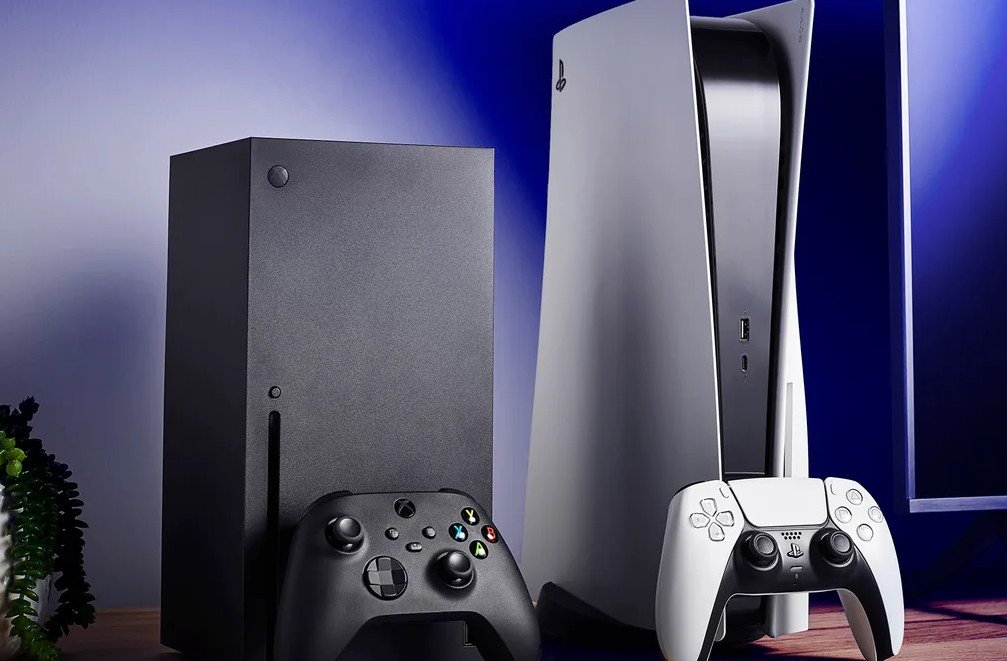
He argued that Microsoft is “sunsetting” the Xbox business. He clarified that this will not happen through a dramatic public announcement. Instead, he sees it as a strategic realignment that slowly deprioritizes gaming.
Blackley vividly described Sharma’s new role as that of “a palliative care doctor who slides Xbox gently into the night.”
This comparison suggests a slow and managed decline rather than an immediate shutdown. It implies the company will maintain the service just enough to keep subscribers paying while stopping significant innovation.
Artificial Intelligence Over Gameplay
The logic behind this potential shift is rooted in financial strategy. Microsoft has invested billions into OpenAI and its own Copilot infrastructure over the last few years.
AI offers high margin software returns that hardware sales simply cannot match. Manufacturing consoles is expensive and logistically complex. Selling AI subscriptions is scalable and instant.
The following factors likely contributed to this reported strategic pivot:
- Hardware Costs: Producing high-end consoles has become increasingly expensive with shrinking profit margins.
- AI Boom: The return on investment for AI technologies is currently outpacing the entertainment sector.
- Cloud Focus: Microsoft may be looking to move gaming entirely to the cloud to support their Azure data centers.
Blackley noted that businesses outside of the “core AI business” are at risk of being sidelined. In this view, Xbox is no longer a pillar of the company but a legacy asset.
What This Means for Gamers
The immediate reaction from the gaming community has been a mix of confusion and fear. Players have invested thousands of dollars into digital game libraries over the last twenty years.
If hardware development stops, the future of these collections becomes uncertain. A shift to an all-digital or cloud-based future puts physical game collectors in a difficult position.
The primary concern is that the next generation of Xbox might not be a console at all. It could simply be an app on a TV or a PC.
While this might increase accessibility, it removes the dedicated experience that console gamers prefer. The “console wars” may be ending not with a peace treaty but with one side simply leaving the battlefield.
Microsoft has yet to issue a formal response to Blackley’s comments. For now, players are left waiting to see if the new leadership proves the skeptics wrong or confirms their worst fears.
As the industry digests this news, the question remains. Is the era of the home console officially drawing to a close?
We want to hear your thoughts on this major industry shift. Do you think Microsoft is really killing off the Xbox console, or is this just alarmist speculation? If you are discussing this on X or Instagram, join the conversation using the trending hashtag #XboxFuture to share your opinion with the community.