The United States is entering a historic period as host to the world’s largest athletic spectacles – from the 2026 FIFA World Cup to the 2028 and 2034 Olympic and Paralympic Games. Yet, despite more than a century of informal sports diplomacy, the country still lacks a unified strategy for leveraging global athletic events to strengthen foreign relationships and build international influence. Analysts say this decade offers a once-in-a-generation opportunity that the U.S. cannot afford to waste.
A bipartisan group of lawmakers has already introduced H.R. 5021, also known as the “American Decade of Sports Act.” The proposal aims to institutionalize sports diplomacy and empower U.S. agencies to use athletics strategically rather than incidentally.
The World Is Watching and Expectations Are Rising
Sports diplomacy is no longer symbolic. It has become a tool for shaping global narratives, cultivating soft power, and facilitating dialogues between cultures without the tension that traditional statecraft sometimes carries.
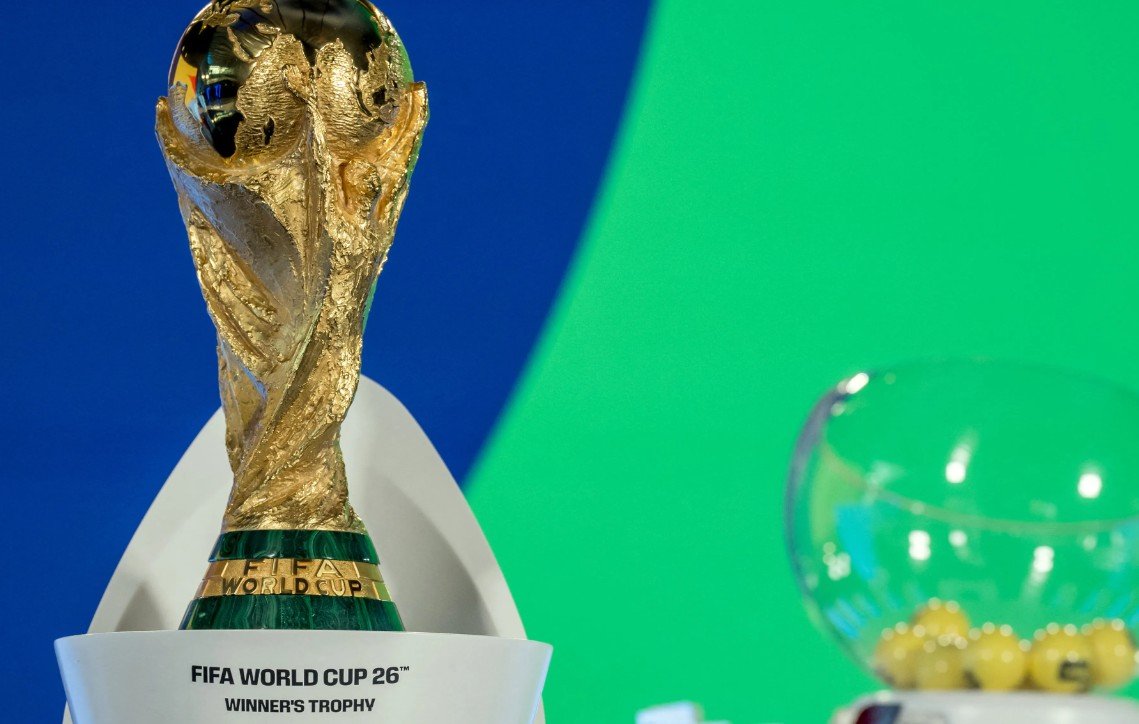
The official draw for the 2026 FIFA World Cup, hosted in Washington, D.C., marked the start of one of the largest sports cycles the U.S. has ever managed. Presidents, diplomats, athletes, and corporate partners attended the ceremony. It felt less like a sports lottery and more like a geopolitical showcase.
One sentence alone: The U.S. is now at the center of global athletic attention.
Hosting the World Cup alongside Canada and Mexico adds diplomatic texture. Fans, delegations, and governments participate not only in matches but also in fan festivals, business summits, youth programs, and public diplomacy efforts. The scale extends beyond stadiums.
For the U.S., there is a unique window to engage countries outside its immediate alliances. Sports environments create low-friction channels for discussion in ways embassies or summits rarely do.
-
Athletic gatherings offer chances to connect with foreign populations directly, bypassing political noise and delivering cultural familiarity.
This bullet point explains why diplomacy through sport feels more approachable than traditional diplomatic theatrics.
Public sentiment matters. Millions of global fans may attend, and hundreds of millions more will watch broadcasts. Sports allow audiences to form impressions of national character, fairness, creativity, public safety, and hospitality. A well-organized decade can shift long-term opinions about the United States.
Learning From an Informal Past
Sports diplomacy is not new to the U.S. The country has used sports for relationship-building since the early 1900s. But historically, the efforts were personal rather than structured. Diplomats and consuls participated in sports abroad, building friendships and easing cross-cultural understanding, but without official strategy or institutional backing.
One short sentence: It was diplomacy by accident, not design.
Early examples include African American consuls George H. Jackson and William H. Hunt, who encouraged rugby activity in France. They secured fields, helped organize clubs, and used athletic camaraderie to create informal cultural ties.
Their efforts were genuine, meaningful, and effective — but also improvised. They were driven by personal enthusiasm rather than national objectives. No one in Washington treated sports activity as diplomatic infrastructure. It was simply something Americans did abroad that happened to build trust.
Small paragraph: The country never formalized the practice.
By contrast, organizations such as the YMCA or international athletic federations treated sport as strategic. The YMCA famously sent Melvin B. Rideout to Paris in 1893, where he introduced basketball to France and created the first game outside North America. YMCA programs at the time intentionally built relationships, strengthened cross-cultural ties, and delivered social impact through sport.
That contrast — diplomats playing informally versus organizations operating intentionally — remains a defining feature of U.S. sports diplomacy history.
The Stakes Have Never Been Higher
The U.S. faces rising geopolitical competition, aggressive public diplomacy from rival powers, and a global information environment shaped by culture, entertainment, and sport. China has already used sports infrastructure funding across Africa and Asia to gain soft-power influence. Qatar used the 2022 FIFA World Cup to showcase national development and shift international perception. France has used the Olympics to elevate diplomatic presence.
One sentence: The U.S. risks giving away influence if it treats sports events as mere entertainment.
To maximize benefits, policymakers insist the U.S. must treat sports events like diplomatic assets. Cultural exchange programs, youth clinics, international coaching delegations, humanitarian partnerships, and public-health messages can be embedded across tournaments.
The “American Decade of Sports Act” argues that the U.S. needs a structured plan that spans multiple agencies — embassies, tourism boards, federal departments, Olympic committees, and private sector partners.
Another one-sentence paragraph: Leaving this to chance is risky.
Sports diplomacy can help the U.S. reach global populations that are not accessible through political channels. In many countries, professional leagues, amateur tournaments, playground courts, and school athletics build more trust than traditional diplomatic exchanges.
What a Strategy Needs to Look Like
A formal plan must be actionable, not ceremonial. It should include infrastructure, cultural programming, international youth events, embassy partnerships, and branding that communicates American openness and creativity.
Here is one useful reference table illustrating goals and expected impact:
| Strategic Element | Execution Approach | Diplomatic Impact |
|---|---|---|
| Youth cultural exchange | Clinics, joint academies, summer leagues | Deep community trust |
| Public diplomacy | Fan festivals, ambassador programs | Soft-power storytelling |
| Economic engagement | Business summits and sports entrepreneurship | Market expansion |
| International coaching exchange | Technical training and referee development | Shared authority and respect |
This table shows how sports diplomacy can operate beyond competitions.
A one-sentence paragraph: The mechanism is broad and not limited to stadium seats.
Mega-events offer emotional narratives: teamwork, national pride, unity, perseverance, fairness. Governments can use these stories to shape broader understanding between countries in tense diplomatic climates.
Sports diplomacy also reaches diaspora communities, NGOs, tech companies, broadcasters, and tourism networks. It is more than symbolism; it is a living platform for economic, cultural, and educational exchange.
Why This Moment Matters for the U.S.
The next decade includes the World Cup, two Olympic cycles, international youth tournaments, expanded MLS markets, and a booming domestic sports economy. The U.S. can use that momentum to project values that feel organic, not forced.
One sentence alone: Sports let the U.S. speak through shared emotion rather than political messaging.
A coherent strategy can deliver lasting benefits — cultural familiarity, commercial partnerships, peacebuilding, national branding, and local diplomacy. Without structure, much of that potential may fade into pure spectacle.
Policymakers argue that history has shown the limits of improvisation. The government has done sports diplomacy before, sometimes brilliantly, but rarely strategically. The scale of upcoming events demands something more formal and forward-thinking.
The U.S. now has a chance to build a blueprint that lasts beyond individual tournaments. The question is whether leaders will treat the moment as a diplomatic asset rather than an entertainment calendar.