
New research shows that when caregivers use smartphones around infants, it can harm the baby’s brain growth and emotional bonds. Experts call for better advice to new parents during this key time, based on studies from 2025 that highlight the risks of digital distractions in early childcare.
The Rise of Technoference in Parenting
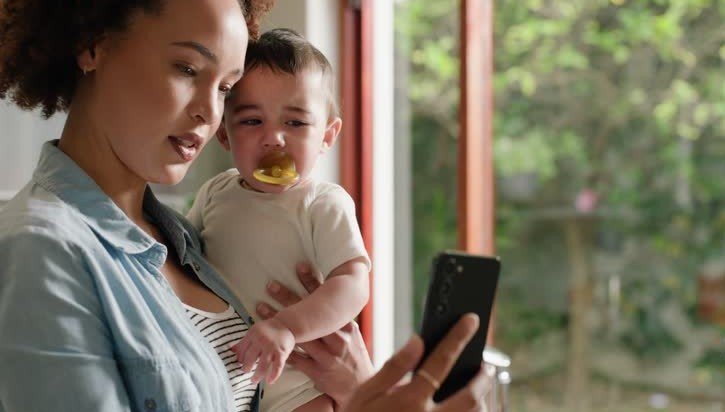
Parents today face constant pulls from their phones, but this habit is more than just a minor distraction. A study published in late 2025 by researchers at the University of Canterbury reveals how smartphone use interrupts the vital face-to-face time babies need for healthy development.
This issue, known as technoference, happens when a parent’s attention shifts to their device instead of the child. Babies miss out on eye contact and responsive cues that build secure attachments. Without these, infants may face delays in language skills and emotional regulation.
Experts point out that the first few months of life are critical for brain wiring. When parents scroll through feeds or check messages while feeding or playing, it creates a gap in the relationship. One new mother shared that no health professional ever mentioned this during checkups, leaving families without tools to manage it.
The study interviewed parents and found a clear lack of guidance. Many felt overwhelmed by technology but had no support to set boundaries.
Key Risks to Infant Growth
Smartphone distractions go beyond missed moments. They can lead to real developmental setbacks, according to multiple 2025 reports.
Babies exposed to high levels of parental screen time show higher stress responses. Their nervous systems, still forming, rely on caregivers for safety signals. A blank stare at a phone screen instead of a smiling face can trigger anxiety in infants.
Language development takes a hit too. Studies link reduced parent-child talk to slower vocabulary growth. Infants need back-and-forth interactions to learn words and sounds, but phones cut into that time.
Emotional bonds suffer as well. Secure attachment forms through consistent, attentive care. When devices pull focus, babies may struggle with trust and self-soothing later in life.
Here are some common effects noted in recent research:
- Poorer sleep patterns for both parent and baby due to disrupted routines.
- Increased risk of attention issues as the child grows.
- Weaker social skills from less interactive playtime.
One 2025 analysis from child psychologists estimates that parents spend an average of two hours daily on phones while with their infants, often without realizing the impact.
Why Guidance Falls Short
Health systems have not kept up with digital changes. Well-child visits cover basics like feeding and vaccinations, but skip tech topics.
In the University of Canterbury study, participants reported zero mentions of smartphone habits in prenatal or postnatal care. This gap exists despite evidence from global health bodies that early interventions work best.
Public health experts argue for updates to guidelines. Simple tips, like phone-free zones during meals or bedtime, could make a big difference. Yet, without coordinated efforts, parents navigate this alone.
Compare this to other parenting advice. New families get plenty on nutrition or safety, but tech use remains overlooked. As smartphones become more embedded in daily life, this oversight grows riskier.
Recent surveys from 2025 show over 70 percent of parents in some regions use phones to calm fussy babies, unaware of the long-term effects.
Steps for Healthier Habits
Parents can take action to reduce technoference and support their baby’s growth. Small changes lead to big improvements.
Start by tracking phone use around the infant. Apps that monitor screen time help build awareness. Set specific times to put the device away, like during feeds or play.
Engage in device-free activities. Reading books or singing songs boosts interaction without screens. These build the bonds babies crave.
Seek community support. Parenting groups and online forums share tips from those who have cut back on tech.
For a quick reference, consider this table of practical strategies:
| Strategy | Benefit | How to Implement |
|---|---|---|
| Designate no-phone zones | Improves focus on baby | Choose areas like nursery or mealtime spots |
| Use airplane mode during interactions | Reduces distractions | Turn it on for 30-minute blocks |
| Replace scrolling with talking | Enhances language skills | Narrate daily activities to the infant |
| Involve family members | Shares the load | Ask partners to join in tech-free times |
Health professionals should step in too. Adding tech advice to routine checks could reach millions of families.
Broader Impacts on Society
This issue ties into larger trends. With smartphone ownership at record highs in 2025, nearly 85 percent of adults worldwide have one, per global stats.
Mental health concerns rise as well. Parents report higher stress from constant connectivity, which spills over to childcare. A 2025 report from the World Health Organization notes links between parental burnout and device overuse.
Related events, like school bans on phones for older kids, show growing awareness. Yet, infancy remains a blind spot.
Logical reasoning suggests early habits set patterns. If parents model heavy screen use, children may follow, leading to issues like obesity or poor focus later.
Looking Ahead
As research builds, expect more calls for policy changes. Governments might fund programs to educate on digital parenting.
In the meantime, individual action matters. By prioritizing presence over pixels, parents can foster stronger starts for their babies.
Share your thoughts on managing tech with newborns in the comments below, or pass this article to a new parent who might benefit.