
The path to the podium for the upcoming Winter Games in Milano Cortina is paved with ice and snow. Yet the real battle for gold is currently being fought in sleep labs and recovery centers. Fans often view Olympic athletes as superhuman figures who can push their bodies endlessly. We see the gravity defying jumps and the overtime thrillers. We rarely see the meticulously calculated naps or the rigid refusal to train on certain days.
New insights from sports medicine experts reveal that the difference between a gold medal and a career ending injury is often not about working harder. It is about the science of stopping. The old adage of “no pain no gain” is being replaced by a sophisticated understanding of human physiology. Athletes preparing for the 2026 games are currently walking a fine line. They are balancing massive physical loads with precise recovery protocols.
This delicate balance is what experts call the “razor’s edge” of performance.
The Fine Line Between Training and Stress
The average person views exercise as a purely healthy activity. We go for a jog to lower blood pressure or lift weights to build bone density. This is beneficial movement. However, the biological reality for an Olympian is entirely different.
Dr. Edward Phillips serves as the Whole Health Medical Director of the VA Boston Healthcare System. He also directs the Institute of Lifestyle Medicine at Spaulding Rehabilitation Hospital. He notes a critical distinction between elite athletics and general health.
“For the 99% of the population, exercise is a benefit,” Phillips explains. “The people at the highest levels, the exercise becomes a stress itself.”
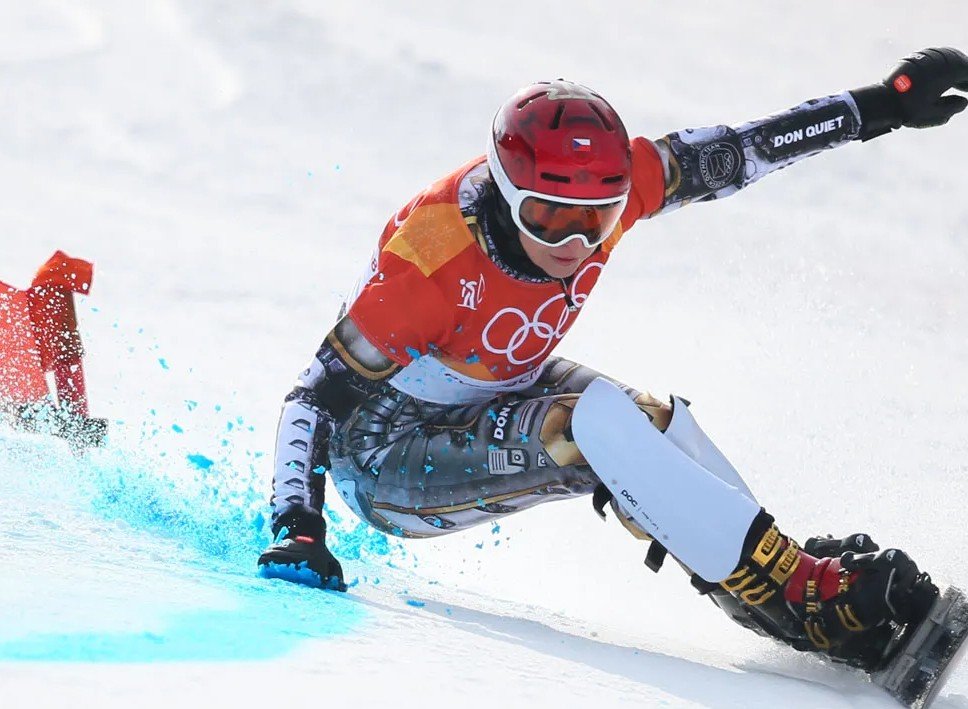
This concept reframes how we must look at Olympic bodies. Movement for these athletes is their livelihood. It is also a massive physiological strain that triggers a stress response in the body. The central nervous system takes a hit every time a skier launches off a ramp or a hockey player sprints across the ice.
When an athlete pushes too far past this point without adequate recovery, they risk Overtraining Syndrome (OTS). This is a serious medical condition. It causes prolonged fatigue and performance decline. It can also lead to mood disturbances and sleep issues. The body simply shuts down to protect itself.
Common Signs of Overtraining in Elite Athletes:
- Elevated Resting Heart Rate: The heart works harder even when doing nothing.
- Insomnia: Paradoxically, being exhausted makes it harder to sleep.
- Mood Instability: Irritability and depression are early warning signs.
- Frequent Illness: The immune system becomes compromised.
Sleep Is The Ultimate Performance Enhancer
Coaches and trainers now treat sleep with the same seriousness as weightlifting or cardio. It is no longer seen as a passive state. It is an active physiological process where the body repairs muscle fibers and consolidates muscle memory.
Research into circadian rhythms has changed how teams travel and schedule training. Athletes training for the winter games often have to perform in subzero temperatures. This adds another layer of metabolic demand. The body burns significantly more energy just to stay warm.
Recovery experts suggest that elite athletes need between 8 to 10 hours of sleep per night. Many also require scheduled naps during the day. This “sleep banking” helps mitigate the effects of travel fatigue and high intensity training blocks.
A lack of sleep does not just make an athlete groggy. It slows reaction time. In sports like alpine skiing or skeleton where speeds exceed 80 miles per hour, a millisecond delay in reaction time can be fatal.
Technology Leading The Recovery Revolution
The “razor’s edge” that Dr. Phillips describes is no longer navigated by feeling alone. It is navigated by data. The modern Olympian is a walking data center.
Teams are utilizing advanced biometrics to measure Heart Rate Variability (HRV). HRV measures the variation in time between each heartbeat. A high variability is actually good. It means the nervous system is balanced and ready to perform. A low variability indicates stress and the need for rest.
Key Metrics Tracked by Winter Olympians:
| Metric | What It Tells The Coach |
|---|---|
| HRV (Heart Rate Variability) | Readiness of the nervous system to handle strain. |
| Resting Heart Rate | Cardiovascular fatigue levels. |
| Sleep Efficiency | Percentage of time in bed actually spent sleeping. |
| Blood Lactate Levels | How efficiently muscles are clearing waste products. |
If the data shows a drop in HRV, a coach might pull an athlete out of practice. This happens even if the athlete claims they feel fine. This objective approach prevents the athlete’s natural competitive drive from causing self sabotage.
The Mental Discipline of Doing Nothing
The physical aspect of recovery is science. The psychological aspect is an art. Olympians are typically “Type A” personalities. They are driven and obsessive. Telling them to sit on a couch and do nothing is often harder than telling them to run up a mountain.
Rest days require immense mental discipline. The fear of losing ground to a competitor is always present. However, the education around recovery has shifted the narrative. Athletes now understand that the training provides the stimulus, but the rest provides the growth. You do not get stronger while you lift the weight. You get stronger while you sleep after lifting the weight.
This shift in mindset is crucial as athletes look toward Milano Cortina. The extensive travel and the pressure of the global stage add a layer of psychological stress. This mental load burns energy just like physical exercise does.
Dr. Phillips and other experts emphasize that managing this “allostatic load” (the cumulative burden of chronic stress and life events) is vital. A skier worried about sponsorship deals or family issues will recover slower from a workout than one who is mentally at ease.
The science is clear. The athletes standing on the podium in 2026 will not just be the ones who trained the hardest. They will be the ones who rested the bravest. They are the ones who successfully walked the razor’s edge without falling off.