
Organisers of the 2026 Milano Cortina Winter Olympics have pushed back against criticism that the soon-to-open Santagiulia ice hockey arena is too short and could pose safety risks for elite NHL players returning to Olympic play for the first time in more than a decade.
Arena Dimensions Trigger Fresh Debate
Reports published last week suggested that the Milan rink surface is 60 metres long and 26 metres wide, which aligns with IIHF international standards but is slightly shorter than the 200-foot (approximately 61-metre) length required by NHL venues in North America.
A single-sentence paragraph.
The missing three feet sparked questions.
The Athletic reported that several players and team personnel voiced concern that the shorter surface might reduce spacing during high-speed plays and increase the risk of collisions along the boards. The rink is marginally wider than NHL dimensions, but critics say that may not fully offset the reduced length when professionals skate at top speed.
Organisers say comparisons to NHL venues overlook key context: the rink is fully compliant with IIHF specifications, matches the size used at the Beijing 2022 Winter Olympics, and meets the dimensions that the NHL itself already accepts for its own Global Series games played outside North America.
IIHF and Organisers Insist Safety Standards Are Met
The International Ice Hockey Federation (IIHF) defended the arena in a joint statement released with the Milano Cortina Foundation, arguing that the surface dimensions are standard for Olympic play and do not compromise athlete safety.
One-sentence paragraph.
The federation says athletes are familiar with this size already.
The IIHF added that the rink layout reflects modern hybrid standards that have been used successfully at high-stakes tournaments without elevated injury data. Officials stressed that elite skaters routinely adapt between NHL and international ice dimensions, just as they have at previous Olympics.
Olympic teams are expected to arrive early enough to conduct practice sessions on the Milan surface, helping adjust tactical spacing, forechecking pressure and transition timing.
Test Events Cut Close to the Opening Ceremony
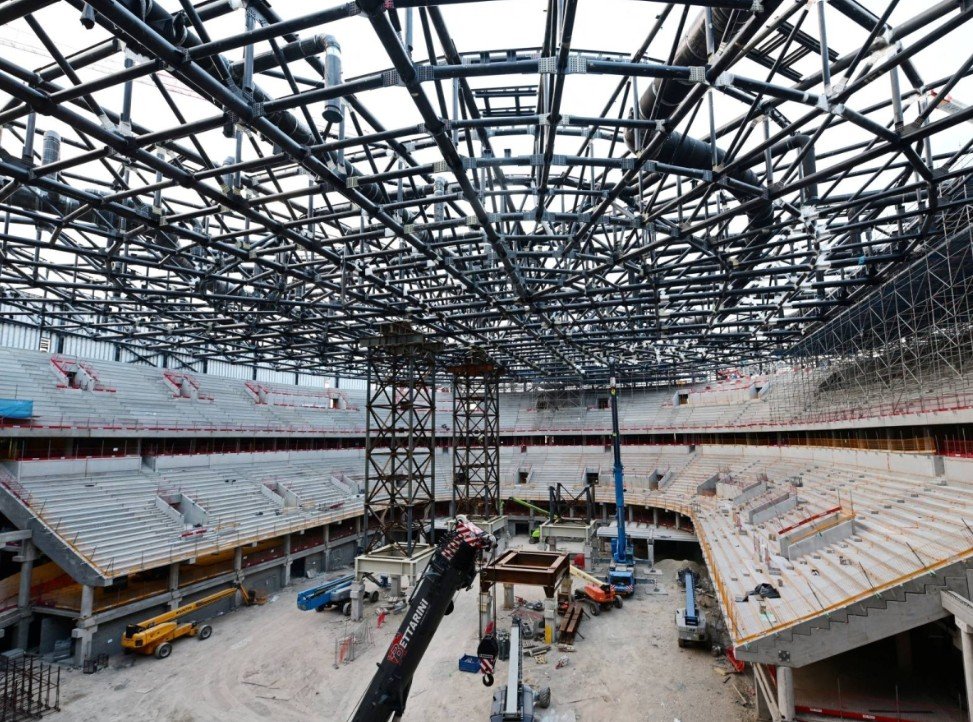
Construction delays at the Santagiulia arena have put organisers under additional public pressure. Test events are now scheduled for January 9–11, less than one month before the Games open.
A short sentence for pacing.
That window is tight.
Logistical experts say test events normally occur earlier to stress-test arena operations, security procedures, refrigeration systems, spectator seating, and ice maintenance schedules. Compressing that timeline means fewer opportunities to fine-tune before Olympic competition begins.
Still, organisers told officials that core structural work is complete and that test games will provide enough data for operational refinements.
NHL Players Return After a Decade Away
The 2026 Games will mark the first time since Sochi 2014 that NHL players participate in Olympic hockey. Their return significantly raises visibility, commercial stakes and competitive intensity.
A one-sentence paragraph.
That alone amplifies scrutiny over rink size.
Players accustomed to NHL ice typically play at faster tempo with more physical contact and shorter neutral-zone transitions. International ice, used in many European leagues, is slightly larger but varies between venues. The Milan rink sits in a hybrid zone — not identical to either NHL standard or the widest Olympic rinks of earlier decades.
Coaches expect tactical adjustments but say the difference is manageable as long as ice quality, refrigeration performance and crowd logistics remain strong.
Should the Size Change Before Opening Day?
A brief table clarifies what is at issue:
| Feature | Olympic Milan | Standard NHL |
|---|---|---|
| Length | 60 m (196.85 ft) | 200 ft (approx. 61 m) |
| Width | 26 m | Slightly narrower |
| Regulatory status | IIHF standard | NHL domestic requirement |
One-sentence paragraph.
The debate is over three missing feet, not wholesale redesign.
Officials say modifying the length at this stage would require structural reconstruction, which is neither practical nor necessary. The IIHF insists the hybrid size was approved from the outset and mirrors dimensions used safely at Beijing 2022.
Safety analysts note that injury risk in hockey is far more influenced by board design, glass quality, corner radii, and ice maintenance than a marginal length difference.
Why Players and Coaches Still Worry
Some NHL veterans privately argue that even small changes to rink geometry can impact spatial awareness at elite speeds. Shorter transition zones may force quicker reactions and reduce braking space before board contact.
One-sentence paragraph.
No one wants unnecessary collision risk in a spotlight tournament.
Organisers counter that Olympic hockey has been played across a range of international rinks for decades without consistent injury surges and that the Milan dimensions do not fall outside established norms.
Coaches planning for roster rotations say early training will matter: spacing drills, dump-and-chase timing and power-play entries will need fine-tuning.
Arena Narrative Overshadows Construction Delays
Public discussion over ice dimensions arrives as the arena continues to face spotlight pressure for construction delays, tight testing schedules and political debate over project oversight. Milan officials insist the facility will be ready, with refrigeration systems already operational and spectator seating near completion.
Short paragraph.
The rink controversy is more symbolic than structural.
Delays in the building timetable have drawn criticism from some Italian media outlets, but Olympic planners point out that several past Games venues — including those in PyeongChang and Sochi — completed work just before competition and still met functional standards.
Looking Toward Opening Week
Elite NHL players are expected to adapt quickly once they settle into practice sessions in Milan. Most national team coaches say the only real variable is timing: the later the ice familiarisation begins, the more pressure falls on early camp days.
A one-sentence paragraph.
But the rink size is not expected to derail competition.
Organisers appear confident: the Milan rink meets IIHF Olympic rules, matches recent global tournaments and should not create safety anomalies if standard protocols stay in place.
With hockey widely viewed as one of the marquee events of the Milano Cortina 2026 Winter Games, officials are focused on final construction push, smooth test games, and efficient player acclimatisation — not last-minute blueprint changes.