A bold new contender has emerged in the global smartphone landscape with the launch of the Jolla Phone, a device positioned as a privacy‑focused, independent alternative to the dominant Android and iOS systems. Unveiled at Mobile World Congress in Barcelona, this Linux‑based smartphone aims to challenge the tech status quo and meet the growing demand for European digital sovereignty.
A New Kind of Smartphone Experience
The Jolla Phone stands out in a crowded smartphone field by rejecting the usual foundations of mobile operating systems. Instead of Google’s Android or Apple’s iOS, it runs on Sailfish OS, a Linux‑based system developed by Jolla. This software prioritises privacy and user control, removing background data collection and mandatory accounts tied to Big Tech ecosystems.
What makes this different from other phones is not just the software but the philosophy behind it. Jolla’s team has long argued that the smartphone market has been dominated for too long by a handful of companies, limiting choice and privacy for users. The new Jolla Phone is designed to give users control over their data and reduce dependency on U.S. tech giants, reflecting broader European concerns about digital autonomy.
The phone has already attracted significant attention. Even before mass production, more than 10,000 units were pre‑ordered, indicating strong interest from people seeking an alternative to mainstream devices. The first batch was quickly claimed, and a second limited run has since opened for pre‑order.
Carefully Built for Sovereignty and Privacy
At its core, the Jolla Phone embraces Sailfish OS 5.1, a mobile operating system built on Linux that lets users navigate their device without intrusive tracking or data sharing. Unlike many smartphones, the device does not require a cloud account for setup or create hidden analytics logs.
Here’s what sets it apart:
-
Privacy First: Sailfish OS runs without forced tracking or background data sent to third‑party servers.
-
Physical Privacy Switch: Users can disable the microphone, camera, or other sensors with a dedicated hardware switch.
-
Android App Support: Although not dependent on Android, the phone can run many Android apps without Google Play Services, thanks to compatibility tools.
-
European Identity: Assembly in Finland and European‑centric design emphasize digital independence.
By focusing on these elements, Jolla aims to attract users who are wary of data collection practices and algorithm‑driven ecosystems that have become standard with most smartphones.
Hardware That Meets Everyday Needs
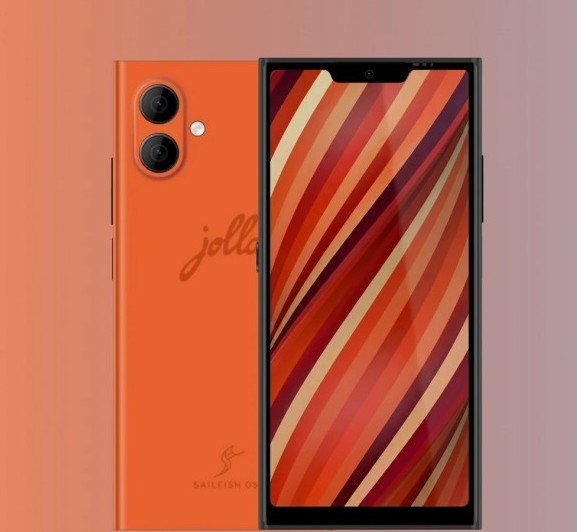
While the Jolla Phone’s claim to fame is its software, its hardware is also built to be competitive with mid‑range devices on the market. Powered by a MediaTek Dimensity 7100 5G chip, it delivers capable performance for daily use.
Key hardware highlights include:
| Feature | What It Offers |
|---|---|
| Display | 6.36‑inch Full HD+ AMOLED |
| Processor | MediaTek Dimensity 7100 5G |
| RAM | Up to 12GB |
| Storage | Expandable up to 2TB |
| Battery | User‑replaceable 5,500mAh |
| Connectivity | Wi‑Fi 6, Bluetooth 5.4, NFC |
| Camera | Dual rear with 50MP and 13MP sensors |
A standout feature is the user‑replaceable battery, a rarity in modern smartphones and a nod to sustainability and long‑term usability.
The device’s build also includes “The Other Half,” a modular accessory interface that allows users to expand functionality with pogo‑pin connected add‑ons. This feature echoes Jolla’s earlier efforts to foster a community‑driven ecosystem of accessories and software.
A Device Born of Community and Crowdfunding
Jolla’s journey to this point has not been smooth. The company started more than a decade ago with ambitious plans to offer alternatives to mainstream mobile platforms, but early hardware efforts like the Jolla Tablet struggled commercially. Over time, Jolla pivoted to focus heavily on software, licensing Sailfish OS to partners and governments.
The latest iteration of the Jolla Phone was brought to life through a mix of crowdfunding and community involvement. Users and backers helped shape the device’s specs and features, reflecting a grassroots movement to push back against concentrated tech power.
This campaign has drawn attention not only from privacy enthusiasts but also from European policymakers and consumers who see local technology development as a strategic move toward digital self‑reliance.
Jolla’s approach stands in stark contrast to many devices in the market today, which are largely developed and controlled by technology giants based in the United States or China. The Jolla Phone’s success, even at this early stage, signals that some consumers want alternatives that respect regional privacy norms and legal frameworks.
Challenges Ahead and Market Reception
Despite its early promise, the Jolla Phone faces significant challenges. Competing with entrenched players like Apple and Google is not easy, especially in terms of apps, developer support, and brand recognition. However, Jolla hopes that its focus on privacy and open software will carve out a loyal niche.
App compatibility remains a sticking point. While many Android apps can run through Sailfish OS’s compatibility layer, some mainstream apps may still behave unpredictably without full Google service integration, limiting convenience for some users.
There are also questions about long‑term support and ecosystem growth. Alternative platforms historically have struggled to attract widespread developer interest, which can limit software innovation and user choice. Still, Jolla’s community‑centric model and long‑term stand on European digital rights could appeal to a segment of users willing to trade app variety for privacy and control.
A Sign of Shifting Tech Perspectives
The launch of the Jolla Phone comes at a moment when digital sovereignty and privacy have become prominent topics in global technology conversations. European regulators have increasingly challenged Big Tech’s dominance, pushing for stricter privacy laws and encouraging domestic alternatives in software, data storage, and digital infrastructure.
Whether the Jolla Phone will become a major market contender remains uncertain, but its existence is itself significant. It represents a growing desire among consumers and governments for technology that aligns with regional values on privacy, data ownership, and digital identity.
For now, consumers interested in the Jolla Phone can pre‑order limited batch units ahead of the broader launch expected later in mid‑2026, with deliveries anticipated in the first half of the year.