
Iran has quietly built a powerful, high‑tech surveillance system using advanced facial recognition software imported from Russia, according to an explosive joint investigation by international news outlets. Documents reveal the regime purchased the technology through a network of front companies and is now using it to track citizens and stifle dissent nationwide. This marks a major expansion of Tehran’s digital repression tools at a time when street protests and political unrest are sweeping the country and drawing global attention.
Iranian Regime Acquired Cutting‑Edge Surveillance Software
An investigation coordinated by Forbidden Stories and published by leading outlets including Le Monde found that Iran’s security services acquired the Russian facial recognition platform FindFace, developed by the firm NtechLab, between 2019 and 2021. Rather than a direct purchase, Tehran used a series of shell and front companies to mask the transactions and evade international scrutiny.
The first purchase was made in August 2019 by an Iranian firm called Rasadco, which later became part of a larger company known as Kama. Documents reviewed by journalists show Kama is closely tied to the Islamic Revolutionary Guard Corps, the paramilitary force central to safeguarding the regime. From there, the software was resold to key state agencies including Iran’s Ministry of Intelligence and other security branches.
This covert acquisition gave Tehran access to one of the most sophisticated facial recognition tools developed outside China and the United States. FindFace was originally created for consumer and law‑enforcement use in Russia and has been deployed at large public events and security checkpoints.
Surveillance Powers Expanded Across Cities
Once integrated into Iran’s existing infrastructure of public cameras, mobile photo archives, and security databases, the software allows authorities to identify individuals in real time across streets, metro stations, government buildings, and crowded public spaces. Legal identity records such as passport and driver’s license photos have reportedly been uploaded into searchable databases, effectively enabling state agents to track people’s movements and associations without physical interaction.
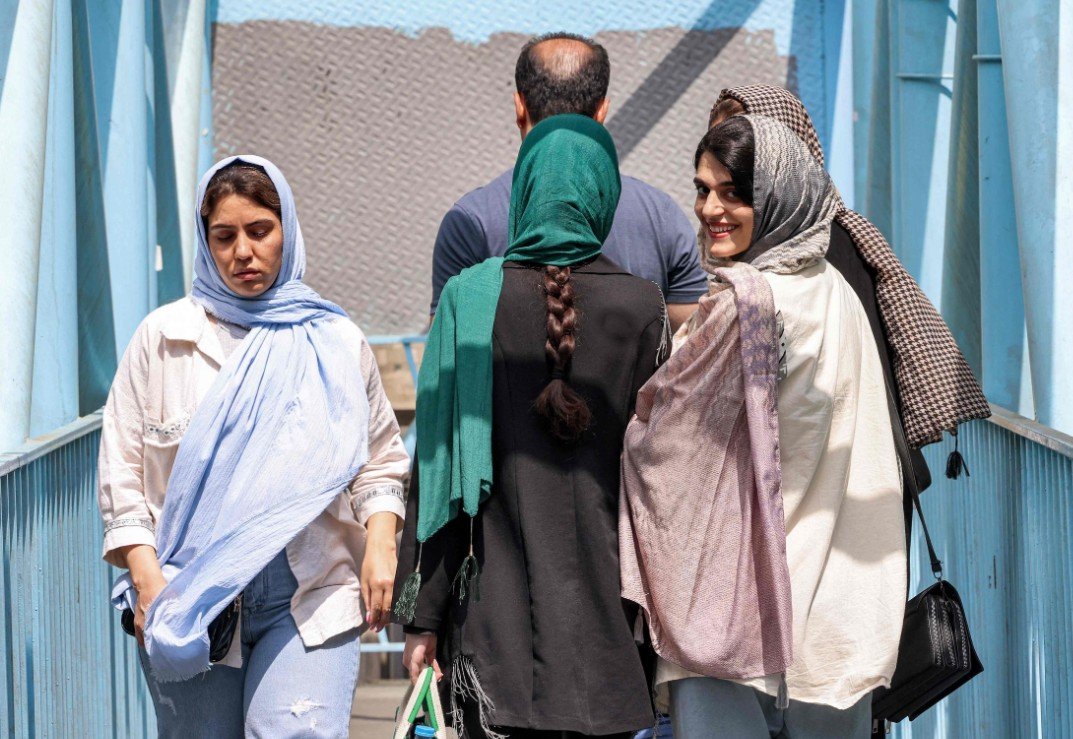
Experts warn this technology builds a detailed “social map” of citizens, revealing personal networks and daily routines that assist with pre‑emptive arrests and repression. Nima Fatemi, a researcher specializing in surveillance tech, described the system as giving the regime the tools to aggressively suppress unrest with fewer ground units.
Protest Crackdowns and Digital Repression
The deployment of this software coincides with some of the widest street protests seen in Iran in years. Since late 2022, waves of demonstrations have erupted over government policies, economic hardship, and political repression. The regime’s response has increasingly leaned on digital methods to identify and silence critics.
In recent months the United Nations and human rights analysts have also documented the use of drones and mobile reporting apps to enforce other state mandates, such as strict dress codes. These efforts have included deploying surveillance drones over public events and installing facial recognition at key entrances, including university gates.
One United Nations report exposed how Iran’s “Nazer” mobile application allows police and pre‑approved citizens to report alleged dress code violations, linking vehicle plates and GPS data to official notifications. Critics say such tools serve to normalize digital monitoring and erode civil liberties.
Sanctions, Secrecy and Global Tech Rules
The acquisition of FindFace is particularly notable because NtechLab was placed under European Union sanctions in 2023 due to concerns over its technology’s role in suppressing free expression and political freedoms. Tehran’s use of front companies to purchase and transfer the software suggests a deliberate effort to circumvent these restrictions and embed foreign tech deep within its security architecture.
Russia’s facial recognition capabilities have been expanding amid Western sanctions and a broader shift toward digital isolationism, with local tech firms pushing domestic alternatives to Western internet platforms and AI tools. Although NtechLab’s FindFace gained notoriety earlier as a consumer‑oriented tool that could link images to social profiles, its adoption by security services signals a shift toward purely state‑directed use.
Human Rights and Future Risks
Civil liberties groups have voiced alarm over these developments, saying the use of facial recognition as a policing tool in Iran sets a dangerous precedent. Critics describe the technology as ripe for abuse, particularly in contexts where judicial oversight is weak or nonexistent and where political opposition is routinely criminalized.
“Technology like this gives the authorities the power to know where you are at any time and who you talk to,” says a human rights analyst. “In a system that already punishes dissent, that is profoundly worrying.” Human rights advocates point out that facial recognition systems worldwide have been shown to misidentify women and people of color at higher rates, compounding risks of wrongful detentions.
Iran’s broader digital surveillance regime also incorporates tools that monitor social media activity, mobile networks, and internet access. Recent reports reveal that state efforts to control online spaces during protests included internet blackouts and filtering tools that limit information flow.
What This Means for Citizens and World Powers
The implications of Iran’s stealth deployment of this powerful software extend beyond borders. For citizens, it means heightened fear and reduced safe spaces in daily life. The presence of this technology may depress public dissent and chill free expression both on and offline.
For foreign nations and tech policy makers, Iran’s strategy highlights the challenge of enforcing export controls on dual‑use technologies. The case underscores how surveillance software initially developed for benign security purposes can be repurposed by repressive governments, even under sanctions.
As digital tools continue to reshape how states monitor their populations, the Iran example is a stark reminder of the ethical and political dilemmas posed by biometric identification systems.
The international community must debate global norms on the export and governance of such technology before more countries follow a similar path. What do you think about Iran using advanced cameras and facial recognition to monitor people Control or protection Which side do you see If this trending on social media use hashtag IranFaces to share your views.