
Indiana’s logistics network is the backbone of its thriving economy, seamlessly connecting manufacturing plants, vast farmlands, and emerging tech hubs across the state. As of late 2025, this intricate web of highways, rails, ports, and digital systems ensures goods move efficiently, supporting over 840,000 jobs and contributing billions to the GDP.
Why Indiana’s Central Location Boosts National Trade
Indiana sits at the crossroads of America, making it a prime spot for logistics operations that reach much of the U.S. population in a day. This position has drawn major investments, like Amazon’s $11 billion data center project announced in 2024, which promises at least 1,000 jobs and highlights the state’s growing role in tech-driven supply chains.
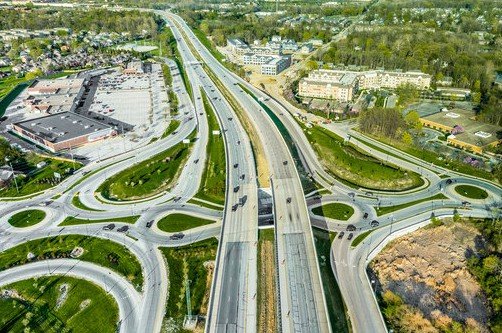
The network includes over 1,200 miles of interstate highways, the second-largest FedEx air hub in the world, and extensive rail lines that handle bulk freight like grains and steel. These elements work together to cut transportation costs and speed up deliveries, giving businesses a competitive edge.
Recent state initiatives, such as the Manufacturing Readiness Grants, have poured $45 million into modernizing facilities through 2023, with an additional $40 million allocated for 2023-2025. This funding supports technologies like robotics and the Industrial Internet of Things, helping manufacturers integrate seamlessly with logistics providers.
How Manufacturing Relies on Timely Deliveries
Manufacturing in Indiana accounts for 37% of the state’s economic output, far above the national average. The logistics network ensures parts and materials arrive on schedule, preventing costly shutdowns in sectors like automotive and heavy equipment.
For instance, plants in areas like Indianapolis depend on just-in-time deliveries from suppliers across the Midwest. Rail and truck routes minimize delays, allowing companies to maintain lean inventories and respond quickly to market demands.
A key strength is the multimodal approach, where goods switch between trucks, trains, and barges without friction. This flexibility proved vital during recent supply chain disruptions, helping Indiana manufacturers recover faster than peers in other states.
- Major manufacturing hubs: Indianapolis, Fort Wayne, and Evansville lead in output.
- Tech integration: Over 425 grants awarded for digital upgrades, spurring $628 million in private investments.
- Job impact: Supports 530,000 manufacturing roles, with growth in advanced sectors.
Farming Gains from Efficient Transport Routes
Indiana’s farms produce massive yields of corn, soybeans, and livestock, but getting these to market requires a robust logistics setup. The state’s river ports and rail systems move billions of tons of agricultural goods annually, linking rural areas to global buyers.
In 2025, trends like precision farming tech have increased output, but logistics keeps it profitable. Barges on the Ohio River offer low-cost bulk transport, while highways connect to processing centers and export points.
Programs like the Healthy Future of Indiana Farming initiative emphasize sustainable practices, with logistics playing a role in distributing healthier food products. This ties into broader efforts to use tech for better crop tracking and faster delivery.
The table below shows key agricultural logistics stats for Indiana in 2025:
| Category | Details | Impact |
|---|---|---|
| Annual Grain Output | 1.2 billion bushels | Exported via rail and river |
| River Port Volume | 15 million tons | Links to Gulf of Mexico markets |
| Tech Adoption Rate | 40% of farms use agritech tools | Improves supply chain tracking |
These routes not only reduce spoilage but also open doors to new markets, boosting farm incomes amid rising global demand.
Tech Sector Thrives on Connected Infrastructure
Indiana’s tech scene is booming, with innovations in areas like the 16 Tech Innovation District in Indianapolis. Logistics networks provide the backbone for data centers, e-commerce fulfillment, and smart manufacturing.
Investments in digital infrastructure, such as high-speed connectivity for supply chain management, allow tech firms to optimize operations. For example, AI-driven forecasting helps predict shipping needs, reducing waste and improving efficiency.
The Conexus 2031 strategic plan aims to empower industry transformation by 2031, focusing on workforce development and tech adoption. This positions Indiana as a leader in advanced logistics, blending traditional transport with cutting-edge tools.
Recent X posts from industry leaders highlight sentiment: users praise the state’s multimodal parks and seamless connectivity, noting how it supports scaling operations without slowdowns.
Challenges and Future Outlook for Indiana’s Network
Despite strengths, challenges like infrastructure wear and rising fuel costs persist. State leaders are addressing these through partnerships and federal funding, aiming to modernize key routes.
Looking ahead, expansions like new multimodal logistics parks in various counties promise enhanced capacity. By 2030, experts predict the network could handle 20% more volume, driven by e-commerce growth and sustainable practices.
The outlook is positive, with Indiana poised to lead in integrated logistics that supports diverse industries.
As this network evolves, it shapes Indiana’s economic future. Share your thoughts on how logistics impacts your community, and comment below with ideas for improvements.