Google is turning everyday headphones into live interpreters. A new Google Translate update brings real-time voice translation to any microphone-equipped headphones, powered by its Gemini AI model, marking a shift from hardware-only tools to mass-market accessibility across Android devices.
Live Translate turns ordinary headphones into instant interpreters
This update changes how people think about translation on the go. Instead of holding up a phone or relying on specific earbuds, users can now hear translated speech directly through their own headphones.
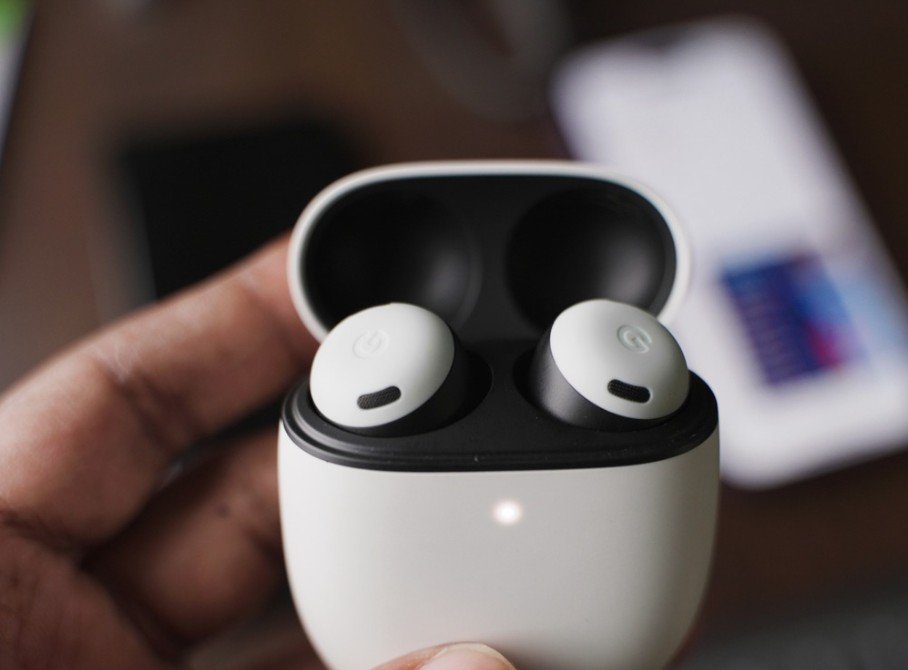
The feature, called Live Translate, works once headphones with a microphone are connected to an Android phone. Tap the Live Translate button inside Google Translate, and the app begins listening, translating, and playing back speech in near real time.
One sentence says a lot.
No Pixel Buds required anymore.
Until now, Google kept this kind of instant translation tied to its own hardware, most notably the Pixel Buds Pro line. Opening the feature to third-party headphones is a big shift, and it suggests Google wants scale more than gadget lock-in.
The system supports over 70 languages, including Thai, which broadens its usefulness far beyond English-centric travel use cases.
Gemini steps in to make translations sound more human
Under the hood, the real story is Gemini.
Google has integrated its large language model directly into Google Translate, aiming to fix long-standing complaints about robotic phrasing and missed context. According to Google, Gemini improves how translations handle tone, emphasis, and the rhythm of speech.
This matters more than it sounds.
Translation isn’t just words. It’s intent.
Gemini is built to better recognize idioms, slang, and conversational shortcuts, the stuff that usually breaks older translation systems. That means fewer awkward pauses, fewer literal but wrong translations, and more speech that feels like something a person would actually say.
Google says the system also does a better job of preserving how something is said, not just what is said. Sarcasm, urgency, and emotional weight are still tricky, but the company claims noticeable gains compared to earlier models.
One short paragraph fits here.
Perfect translation still doesn’t exist, but this is closer than before.
Initial rollout focuses on Android and select countries
Google is rolling this out in stages, starting with Android users. The first wave covers the United States, Mexico, and India, three markets with heavy multilingual use and large Android bases.
More regions will follow.
iOS users, however, will need to wait. Google has said support for Apple devices is planned, but not until sometime in 2026. That delay may frustrate iPhone users, but it’s consistent with Google’s habit of testing features on Android first.
Here’s how the rollout looks right now:
| Aspect | Details |
|---|---|
| Feature name | Live Translate |
| Supported languages | 70+ |
| Devices | Android phones |
| Headphones | Any with microphone |
| Initial countries | US, Mexico, India |
| iOS availability | Expected in 2026 |
A single sentence stands alone.
This is a software rollout, not a product launch.
Because it lives inside Google Translate, users won’t need new accounts or subscriptions. The feature becomes part of the existing app experience as updates arrive.
Everyday use cases go beyond travel
It’s easy to picture this feature helping tourists order food or ask for directions. That’s obvious. What’s more interesting is how it fits into daily life.
Think about workplaces with mixed-language teams. Family conversations across generations. Watching interviews or street conversations in another language. The friction drops when translation doesn’t interrupt the flow.
Google sees this as more than a novelty.
The company says Live Translate is meant to support real conversations, not just transactional exchanges. That explains the emphasis on tone and cadence, areas where older translation tools struggled.
In the middle of this shift, Google highlights a few practical strengths:
-
Works with standard headphones people already own
-
No need to stare at a screen during conversations
-
Handles informal speech and slang more smoothly
One small paragraph adds balance.
Latency still exists, and silence gaps can feel awkward.
Real-time translation always involves a slight delay. Google hasn’t published exact timing figures, but early demos suggest the pause is short enough to keep conversations moving without constant interruptions.
Language learning gets a motivational layer
Alongside Live Translate, Google is adding a language-learning streak feature. It tracks how many consecutive days a user engages with a new language inside Google Translate.
Yes, it sounds familiar.
Apps like Duolingo made streaks famous by turning consistency into a habit-forming loop. Google’s version is simpler, less gamified, but still taps into that same psychological nudge.
One sentence captures the idea.
Progress feels real when it’s counted.
This feature doesn’t replace dedicated learning apps, but it gives casual learners a reason to keep coming back. Translate a phrase today, check pronunciation tomorrow, keep the streak alive.
Google hasn’t said whether streaks will tie into reminders or notifications yet. For now, it’s a quiet addition, not a loud push.
Privacy questions linger in the background
Any tool that listens to conversations raises eyebrows. Google hasn’t ignored that.
The company says Live Translate processes audio with the same privacy standards already used in Google Translate. Still, real-time voice handling through cloud-based AI will concern some users, especially in sensitive settings.
Google hasn’t detailed how much processing happens on-device versus in the cloud for this feature. That balance matters for both privacy and performance, and more clarity will likely come as the rollout expands.
A sign of where translation tech is heading
This update hints at a broader shift in how language tools fit into daily tech. Translation is moving away from screens and buttons and into background experiences, something you turn on and forget about.
Headphones are just the start.
Google’s move also raises the bar for competitors. Apple, Meta, and smaller AI firms are all experimenting with speech translation. By pushing this into a widely used app, Google sets expectations quickly.
One last short paragraph before the end.
Once people expect real-time translation to just work, there’s no going back.
For now, Live Translate remains an Android-first feature rolling out country by country. But its arrival signals something bigger: language barriers are becoming less visible, not because they vanished, but because technology learned to stay out of the way.