
A century-old wind propulsion technology is surging back into use, with Flettner rotors now on over 35 commercial ships to slash fuel costs and emissions. First tested in 1925 on the Buckau vessel from Poland to Scotland, this spinning cylinder system harnesses wind via the Magnus effect, offering up to 20 percent savings amid global decarbonization pushes.
Origins and Early Setbacks
The Flettner rotor traces back to German inventor Anton Flettner in the 1920s. He equipped the ship Buckau with two rotating towers that spun to capture wind energy, reducing reliance on fuel during its maiden voyage under Scotland’s Forth Bridge.
Economic factors doomed the early adoption. Cheap diesel made the investment unappealing, and the 1929 Great Depression led to canceled orders, shelving the tech for decades.
Experts highlight how low fossil fuel prices in that era prevented payback on installations. Ship owners stuck with traditional engines, viewing rotors as an unnecessary expense.
Interest faded until recent years, when climate goals revived old innovations. Today, the same principles apply, but with modern twists for better results.
Technical Breakdown of Rotors
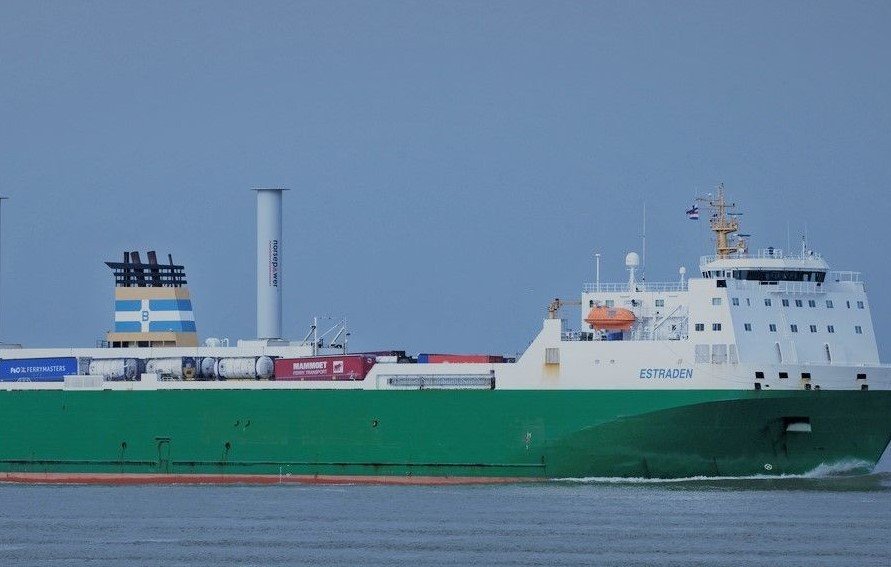
Flettner rotors are vertical cylinders that rotate via electric motors, creating thrust through the Magnus effect. This force, similar to a spinning ball’s curve, propels ships forward by redirecting wind.
Modern designs use carbon fiber for lighter, taller structures, improving efficiency over the 1925 originals. They integrate with diesel engines, activating in favorable winds to cut power needs.
Operators control spin speed with sensors, optimizing for conditions. This setup suits various ships, from ferries to tankers, without major redesigns.
Installation costs have dropped, making rotors viable for retrofits. They work alongside emerging fuels like hydrogen, enhancing overall green performance.
2025 Advancements and Installations
This year sees rapid growth, with over 10 new rotor fittings on vessels worldwide. A key study in September 2025 examined aerodynamic interactions, showing enhanced lift in full-scale ship settings.
Anemoi Marine reports booming demand, with rotors saving 5 to 20 percent fuel based on routes and winds. Their composite builds meet top safety standards, driving adoption.
Airbus plans to outfit its ocean fleet with rotors by 2026, targeting lower emissions in parts transport. Meanwhile, prototypes combine rotors with batteries and fuel cells for zero-emission trials.
Recent data from maritime conferences predicts half of new ships by 2025 could include wind aids, fueled by proven savings of up to six tons of fuel daily on multi-rotor setups.
| 2025 Rotor Milestones | Impact |
|---|---|
| New Fittings | 10+ ships, including European ferries and Asian tankers |
| Fuel Efficiency Gains | 5-20% reduction, varying by vessel and route |
| Emission Reductions | 500+ tons CO2 cut per ship annually |
| Leading Firms | Anemoi and Norsepower scaling production |
| Payback Time | 5-7 years with current fuel prices |
Real-World Applications and Savings
Over 35 ships now operate with rotors, including ferries between Germany and Denmark. These vessels report 15 percent average fuel cuts on windy routes, translating to major cost savings.
Bulk carriers in the Pacific benefit most, where steady trades winds maximize thrust. Operators note reduced engine wear, extending vessel life.
- Cuts fuel bills by 10-20 percent on typical journeys
- Lowers greenhouse gas output from diesel burning
- Fits easily on existing decks during standard upkeep
- Supports hybrid systems for broader green benefits
- Boosts compliance with IMO 2050 zero-emission rules
In Fiji’s domestic shipping, studies show rotors could harness local winds for even greater efficiency, inspiring small-scale adopters.
Hurdles and Path Forward
High initial costs remain a barrier, though subsidies in 2025 help offset them. Performance dips in low winds, requiring backup engines for reliability.
Experts warn not all routes suit rotors, but pairing with tech like automated sails addresses gaps. Ongoing research refines designs for rough seas.
Looking to 2030, projections estimate 100+ equipped ships as fuel prices rise. Innovations in materials and controls promise further gains.
This revival blends history with urgency, positioning rotors as a key tool in sustainable shipping.
What are your views on wind tech reshaping oceans? Comment below and share this story to spark discussions on green innovations.