Xiamen Citius Filter Media Technology Incorporated Company plans to showcase its new Nano-Micron Powder Filter Machine at the IPB 2025 event in Xiamen, China. This breakthrough aims to boost precision in solid-liquid separation for industries like pharmaceuticals and chemicals, with filtration down to 25 nanometers and retention rates up to 99.9 percent.
The event, set for 2025, highlights China’s push in sustainable industrial tech. Experts say this could cut energy use and improve product purity, drawing interest from global partners in places like Australia, the United States, and Europe.
Breaking Ground in Filtration Innovation
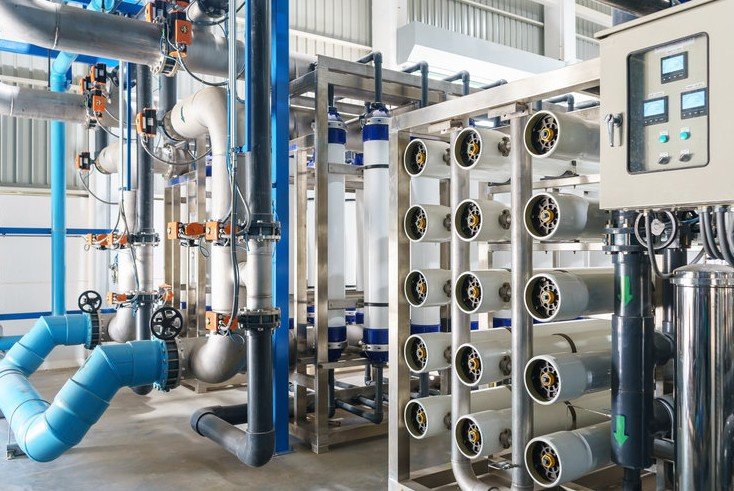
This new machine from Xiamen Citius stands out for its fully enclosed system that prevents contamination. It uses diaphragm pumps and air pressure to handle slurry, trapping solids while letting liquids pass through custom polymer media.
Company leaders point out that the tech builds on years of research. As a national high-tech firm and key player in setting China’s belt filter standards, Xiamen Citius focuses on real-world needs. Recent market reports show the global filter press sector growing at 5.2 percent yearly, reaching 6 billion dollars by 2035.
The showcase ties into broader trends, like rising demand for clean processes in biopharmaceuticals and new materials. Similar events, such as the IPB 2024 in Shanghai, drew thousands and sparked deals worth millions.
Experts note that this innovation aligns with global sustainability goals. For instance, it reduces waste in mining and chemical operations, much like recent advances in Europe where firms cut energy by 20 percent through better filtration.
Tackling Key Industry Challenges
Nano-micron powders create big headaches for manufacturers. Tiny particles often clog traditional filters, slowing production and raising costs.
High moisture in filter cakes forces extra drying steps, wasting energy. In pharmaceuticals, this can spoil batches and lead to losses in the millions.
Purity issues arise when filters fail to block contaminants, risking product recalls. A 2024 study found that poor filtration causes 15 percent of defects in fine chemical plants.
Frequent downtime for cleaning adds up. Companies report losing days of output each month due to these problems.
- High cake moisture increases energy costs by up to 30 percent in drying.
- Rapid clogging shortens filter life, leading to more replacements.
- Purity lapses can result in financial hits from rejected products.
Advanced Solutions from Xiamen Citius
Xiamen Citius tackles these issues with custom filter fabrics made from materials like polypropylene and polyester. These resist acids and handle high pressure, ensuring long-lasting performance.
The calendering process smooths the fabric surface, preventing particle buildup. This step locks in pore sizes for consistent results and eases cake removal.
Their machine opens flow channels during cycles, allowing thorough cleaning without stops. This boosts efficiency in tough settings like mining.
ISO 9001 certification backs their quality, a must for global clients. Partners praise the tech for cutting operational costs by 25 percent in tests.
| Material | Key Benefits | Best For |
|---|---|---|
| Polypropylene (PP) | Acid and alkali resistance | Corrosive chemicals |
| Polyester (PET) | High strength and heat stability | High-pressure operations |
| Custom Polymers | Tailored precision | Nano-micron powders |
Global Reach and Market Impact
Xiamen Citius already works with firms in South Africa, Brazil, and Southeast Asia. The IPB 2025 showcase aims to expand this network, fostering new collaborations.
Analysts predict this tech could reshape markets, especially in regions pushing green manufacturing. China’s role in filtration grows, with exports up 10 percent in 2025.
Recent events, like trade fairs in Europe, show similar tech drawing investments. This positions Xiamen Citius as a leader in a field expected to hit new highs.
The company’s focus on low-energy, high-purity solutions meets rising regulations. For example, new EU rules demand better filtration in pharma, creating opportunities.
Looking Ahead to Future Developments
As industries evolve, Xiamen Citius plans more upgrades, like smarter controls for real-time monitoring. This could integrate with AI for predictive maintenance.
Experts foresee wider adoption in electronics and biopharma, where precision matters most. With climate goals in mind, such tech supports a shift to sustainable practices.
The IPB 2025 event underscores China’s innovation edge. Attendees expect discussions on scaling these solutions worldwide.
Share your thoughts on this tech breakthrough in the comments below. What industry do you think will benefit most? Spread the word by sharing this article with your network.