Disorder at Lionel Messi’s Kolkata appearance has reignited debate over VIP culture, crowd control, and whether Indian sport is losing sight of what fans actually come for.
What was meant to be a celebration of football turned into a scene of frustration and confusion. Lionel Messi’s much-hyped appearance in Kolkata ended with disappointed fans, overcrowded pitches, and a renewed question hanging in the air: who are Indian sporting events really for?
Former India captain Bhaichung Bhutia didn’t mince words afterward. For him, the lesson was blunt and overdue. When sport is the event, sport must come first.
A night meant for football, not confusion
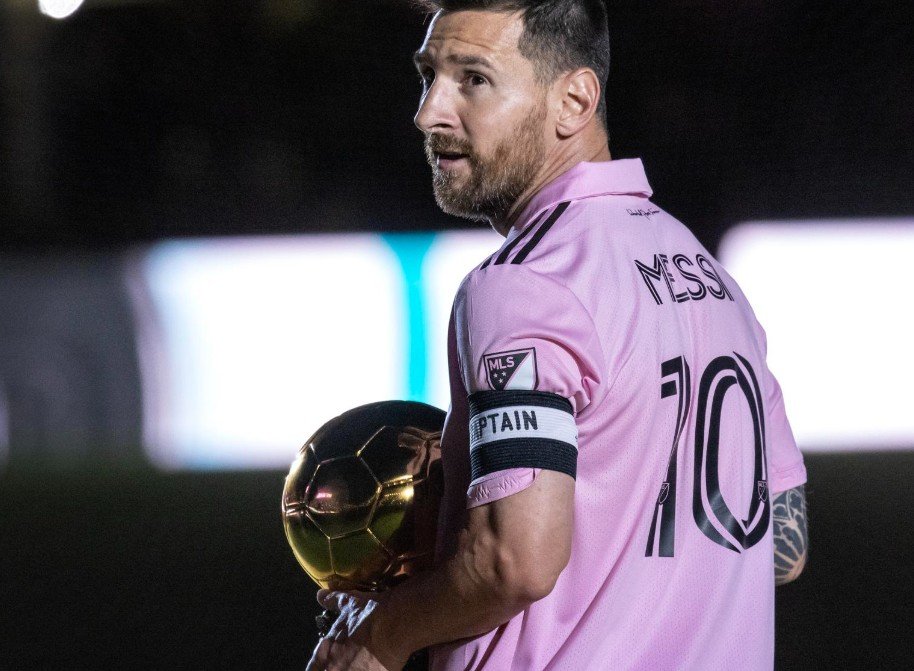
Messi’s visit to Kolkata as part of his G.O.A.T. Tour had drawn massive attention well before the Argentine superstar even landed in India. Tickets sold fast. Expectations ran high. Fans travelled long distances just to catch a glimpse of the man many consider the greatest footballer of all time.
At Salt Lake Stadium, the mood was electric early on.
Then things unraveled.
Poor crowd management, unchecked access for VIPs, and a flood of politicians and celebrities onto the pitch drastically reduced Messi’s time in front of the public. Thousands of fans who came only to see football’s biggest name were pushed back, both literally and figuratively.
At one point, frustration boiled over. Parts of the crowd rampaged inside the stadium, a rare and ugly sight at a football event meant to inspire joy.
Bhutia’s warning to Indian sport’s gatekeepers
Speaking in the aftermath, Bhutia reflected on what the scenes revealed, both good and bad.
“It was good to see not just in Kolkata, but across different cities, fans just wanted to see the sporting event, who just wanted to see Messi and nothing else,” he said. The statement landed softly, but the message underneath was sharp.
For Bhutia, the fans’ intent was pure. No politics. No photo ops. Just football.
He hopes the chaos becomes a turning point. “I hope this is a lesson we will learn and that this trend will change,” he added, clearly frustrated by how often Indian sporting occasions drift away from the sport itself.
One sentence summed up his stance, and it echoed loudly. “When there is a sports event, sports should get priority.”
The familiar problem of VIP-first culture
Bhutia didn’t stop there.
He openly criticised a pattern that Indian sports fans know too well. Delays. Ceremonies. Endless handshakes. Speeches nobody asked for.
“Many times across India we see sporting events getting delayed because of political speeches, chief guest handshakes and all that,” Bhutia said. “That is not necessary.”
His point was simple, almost obvious. Fans and players arrive for the match, not the protocol. Every extra minute spent waiting for VIPs chips away at the experience.
In Kolkata, that imbalance wasn’t subtle. It was glaring.
One sentence fits the mood. Football took a back seat at its own show.
Messi, the magnet Indian football can’t ignore
Messi’s presence itself revealed something powerful about India’s football culture.
Despite years of criticism aimed at domestic structures, governance, and results, the turnout proved one thing beyond doubt. India loves football.
Fans were willing to spend significant sums, stand in long queues, and pack a stadium to capacity just to see Lionel Messi in person.
That passion isn’t manufactured. It doesn’t need celebrity endorsement. It exists already.
The irony, as many observers noted, is that such enthusiasm rarely translates into sustained investment in the domestic game. Big stars arrive. Crowds follow. Then the spotlight moves on.
Sandesh Jhingan adds a player’s perspective
India defender Sandesh Jhingan joined the conversation with a more reflective tone.
He acknowledged the criticism directed at Indian football and accepted responsibility for performances on the pitch. But he also pointed to deeper issues.
“Football does not exist in isolation,” Jhingan wrote. Structure, stability, and belief, he said, shape what fans eventually see during matches.
His comments struck a nerve, especially when contrasted with the scale of Messi’s tour.
Jhingan admitted he felt happy seeing stadiums filled and fans willing to spend heavily. Yet the contradiction troubled him. “It feels as though we are close to shutting everything down because there is no willingness to invest in football within India, yet crores were spent on this tour.”
It wasn’t anger. It was disappointment.
A mirror held up to Indian football
The Kolkata episode did more than expose organisational flaws. It held up a mirror.
On one side, there is undeniable love for the sport. Packed stadiums. Emotional fans. A hunger for global football icons.
On the other, there are familiar problems. Weak planning. Poor crowd control. And an obsession with VIP presence that sidelines supporters.
The contrast is uncomfortable, but necessary.
One short paragraph says enough. You can’t grow football by treating fans as an afterthought.
Lessons that go beyond one night
No one is blaming Messi. Or the fans. Or even the idea of hosting global stars.
The criticism is aimed squarely at how such events are handled.
If Indian football wants credibility, moments like this can’t repeat. Not at club level. Not at international showcases. Not anywhere.
Bhutia’s words carry weight because he has lived both sides. As a player who inspired generations, and now as a voice pushing for reform, he understands what fans expect.
They want the game. Everything else is noise.
Where the conversation stands now
In the days since the incident, debate has spilled across social media, newsrooms, and football circles. Some defend the organisers. Others demand accountability. Many simply feel let down.
What’s clear is this. The chaos in Kolkata has become more than a footnote in Messi’s India visit.
It’s now part of a larger conversation about priorities, respect for fans, and the future of Indian sport.
And as Bhaichung Bhutia made clear, the solution isn’t complicated.