
Australia’s bold plan to deliver 1.2 million new homes by 2029 is showing cracks, with the first year falling significantly short of expectations and those on the frontline of home construction sounding the alarm. Small builders, who deliver roughly two‑thirds of the nation’s new homes, say rising regulatory costs, planning delays and workforce shortages are throttling housing supply and threatening the nation’s housing goals. The gap is widening, and without urgent reform, affordability and access to housing could worsen sharply.
National Housing Goals Falling Behind
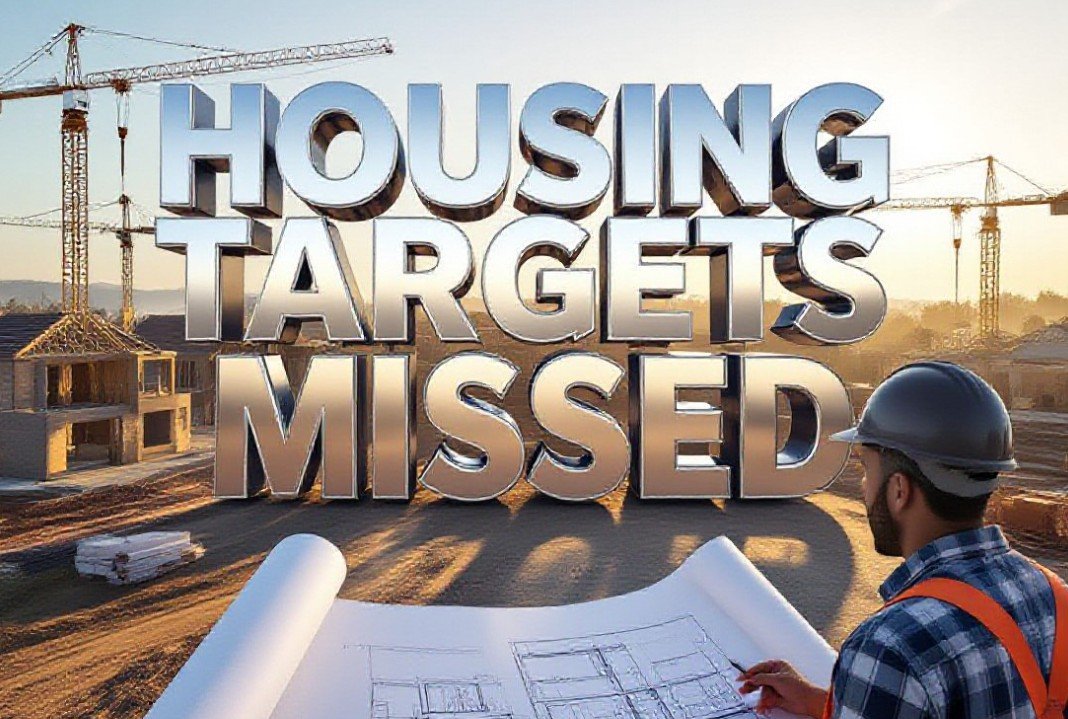
The federal government’s National Housing Accord, signed in 2023, set a target of building 1.2 million new homes by mid‑2029, at a pace of about 240,000 homes per year. But the first full year under this plan — from mid‑2024 to mid‑2025 — missed the mark badly. Only around 180,500 homes were started in that period, leaving the nation roughly 60,000 homes short of its annual target. Analysts now warn the gap could grow even larger unless immediate action is taken.
This shortfall compounds existing data showing Australia is already facing a longer‑term housing supply crisis, with reports suggesting the country may build 262,000 fewer homes than needed to meet current demand and projections indicating a potential deficit of nearly half a million homes relative to targets by 2029.
Industry experts say this lag is not due to weak demand. Home sales have lifted in many states, but the process of actually getting new homes built remains bogged down.
Small Builders Face Rising Red Tape and Costs
Small builders are the backbone of Australia’s home construction sector, responsible for around two‑thirds of new housing delivery each year. Their performance is crucial to hitting national targets. But in the HIA 2026 Small Business Conditions Report, members reported intense pressures that weaken their capacity to build more homes.
Among the biggest challenges:
-
Regulatory and planning delays that slow approvals and increase costs. Small builders are spending more time on paperwork and compliance than on actual construction.
-
Rising insurance premiums, cited by roughly 72 percent of builders as a major concern, which adds to operating costs.
-
Labour shortages across key trades, making it harder to meet rising project demands.
-
Tight profit margins, with nearly 60 percent of small builders not expecting to improve profitability this year.
“Small building businesses are the engine room of Australia’s home building industry. But they are being asked to do more with less,” said a builder in the HIA survey, highlighting that insurance, red tape and land costs are squeezing their operations.
The cumulative effect is a sector that finds it harder to take on new projects at the scale and speed needed to close the housing supply gap.
Red Tape and Planning Hurdles Are Slowing Construction
Regulatory complexity is a recurring theme in the housing debate. The building approval process in Australia has become lengthy and fragmented, involving multiple levels of government and layers of rules that add time and cost to each project. Industry reports show the National Construction Code alone now runs to over 70,000 pages, with overlapping planning, safety and compliance requirements that can delay even simple developments.
Builders have repeatedly called for smarter, faster planning systems. Delays in approvals, both at local council and state levels, are cited as a major reason why projects stall even before construction starts. Master Builders Australia reported that building approvals in late 2025 were the weakest in months, reducing momentum on new housing starts.
Experts also argue that inconsistent planning rules between states and territories make it difficult for builders to scale up operations efficiently. Without a unified national approach to planning reform, many builders say targets will remain out of reach.
Workforce Shortages Compound the Problem
Another major obstacle to achieving housing targets is the lack of skilled tradespeople. A Productivity Commission report projected that Australia needs at least 130,000 additional construction workers to stay on track with the housing accord, and current workforce growth is insufficient to meet milestones.
HIA’s own submissions to government emphasise that the construction sector employs nearly 280,000 skilled tradespeople, yet ongoing shortages in carpenters, bricklayers, electricians and other critical roles are limiting productivity. Visa pathways for skilled migrants, apprenticeships and workforce training programs are areas highlighted for reform to address these gaps.
Small builders often bear the brunt of labour shortages because they lack the recruitment and training resources of larger firms. This not only increases construction times but also raises the cost of hiring skilled workers, pushing margins thinner.
What Needs to Change to Hit Housing Targets
Industry leaders and analysts argue that meeting national housing goals requires a multi‑faceted approach that includes:
-
Streamlining planning and approval processes to reduce red tape and speed development.
-
Reforming insurance and compliance regimes to lower cost burdens on builders.
-
Boosting workforce capacity through targeted training, migration reform and apprenticeship incentives.
-
Improving land supply policy to unlock more sites for housing development in high‑demand areas.
-
Supporting small builders with incentives and financial tools to sustain business growth.
Some states have begun implementing planning reforms to boost higher‑density housing and reduce approval times, signaling a willingness to innovate. But industry groups warn more coordinated national action is essential.
A Crossroads for Australia’s Housing Future
Australia’s housing challenge is more than a numbers game. It touches deeply on affordability, community stability and economic wellbeing. A growing shortfall in new home building threatens to push prices up further and make housing even less accessible for young families and first‑time buyers.
The gap between ambitious national goals and the reality on the ground shows that good intentions must be backed with practical reforms and support for the small builders who deliver most of the homes Australians rely on. The question now is whether policymakers will act quickly enough to keep the dream of affordable, abundant housing alive for the next generation.