
From familiar Google hardware to bold Chinese flagships and subtle software tweaks, the Android ecosystem shows signs of momentum — and hesitation
Android rarely moves in a straight line. Some weeks bring fireworks. Others bring raised eyebrows. This one did a bit of both, with leaked Google specs prompting sighs, Samsung locking in silicon choices, and rivals reminding everyone that speed still matters.
The headlines, taken together, tell a story about confidence in some corners and caution in others.
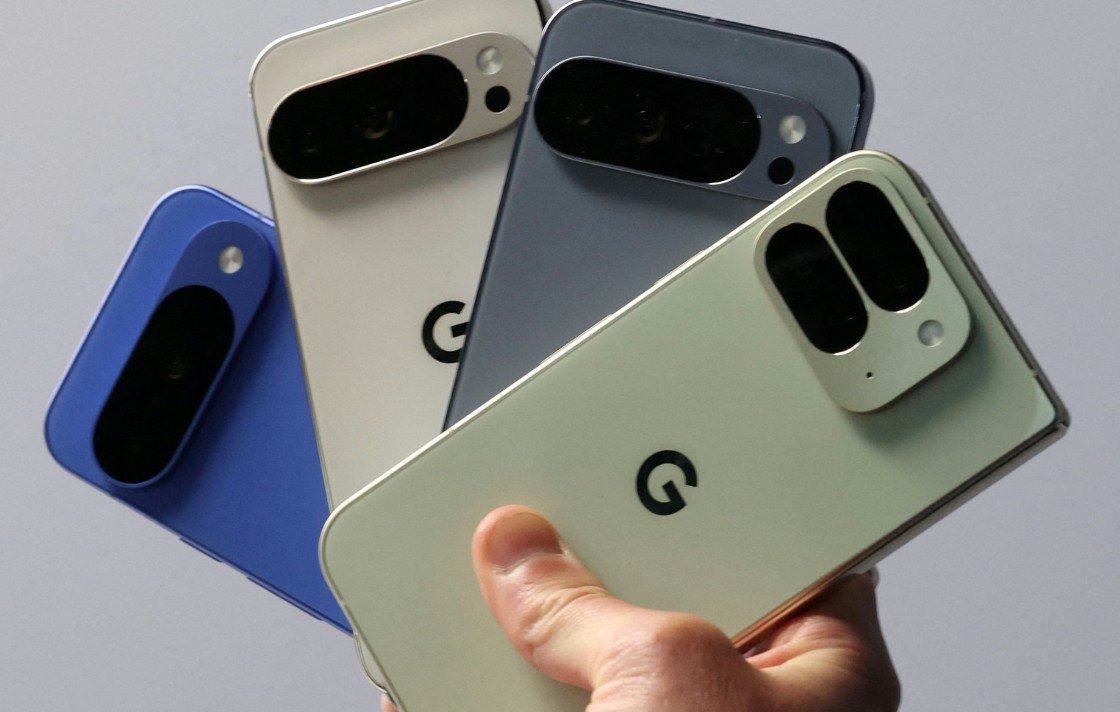
Pixel 10a leaks leave fans wanting more
The Pixel “a” series has always been about restraint. Clean software, decent cameras, fair pricing. But the early signs around the Pixel 10a are testing that goodwill.
Certification filings, spotted through carrier documentation, suggest the Pixel 10a may look almost identical on paper to the Pixel 9a. The rumored setup includes a 6.3-inch 120Hz AMOLED screen, a 48-megapixel main camera, a 13-megapixel ultrawide, and a 13-megapixel front camera.
That sounds fine. Maybe too fine.
The battery capacity is listed at 5,100 mAh, again matching last year. Even the display size lines up neatly with the current model. For longtime Pixel watchers, this feels less like iteration and more like repetition.
One short line sums up the mood: where’s the upgrade?
Some analysts suggest the certification details could be placeholders, reused for regulatory speed. That happens. But carriers usually work with close-to-final specs. If accurate, Google risks launching a device that looks stale on arrival, even if pricing remains aggressive.
The Tensor chip revision may yet save the day. Or it may not.
Samsung goes all-in on Snapdragon for Galaxy S26 Ultra
While Google appears cautious, Samsung is showing clarity. And confidence.
Documents filed with US regulators indicate that every Galaxy S26 Ultra, regardless of region, will ship with Qualcomm’s Snapdragon 8 Elite Gen 5 processor. No split between Snapdragon and Exynos. No regional guessing games.
For years, Samsung fans outside the US complained about getting second-tier silicon. This decision removes that tension entirely.
The chipset identifier, SM8850, confirms Qualcomm’s latest flagship processor. There’s also chatter that Samsung may use a slightly overclocked “for Galaxy” version, a move it’s made before to squeeze out extra performance and thermal tuning.
For Samsung, this is about consistency.
And about optics.
A single global chipset simplifies marketing, software optimization, and user trust. In a market where benchmarks spread faster than ads, that matters.
Camera tweaks hint at Samsung’s conservative streak
Details are also emerging about the standard Galaxy S26, and they paint a familiar picture.
Leaks suggest Samsung may stick close to last year’s camera hardware, focusing instead on software processing and sensor tuning. That’s not unusual. Camera gains now come more from algorithms than megapixels.
Still, some enthusiasts hoped for bolder changes.
Samsung seems content refining what already works, especially as it leans harder into AI-assisted photography. Whether consumers notice or care will depend on results, not spec sheets.
This is the quiet side of progress. Less flashy, more measured.
Honor’s Magic8 Pro makes a louder entrance
While US and Korean brands fine-tune, Chinese manufacturers continue swinging hard.
Honor this week unveiled the Magic8 Pro, a flagship that wastes no time signaling ambition. The device features a top-tier Snapdragon chipset, a large high-refresh OLED display, and a camera system aimed squarely at premium rivals.
Honor’s strategy is clear: compete directly, not cautiously.
Battery capacity, fast charging, and camera versatility remain selling points, especially in markets where spec comparisons still drive purchases. The Magic8 Pro also leans into design, with curved glass and bold finishes meant to stand out in crowded stores.
It’s a reminder that innovation pressure doesn’t just come from Apple anymore.
Android’s competition is increasingly internal.
Google tweaks emojis, quietly reshaping daily habits
Not every Android story is about hardware.
Google rolled out updates to emoji handling through Gboard, refining how users search, combine, and suggest emojis during conversations. It’s subtle stuff. Easy to miss.
But emojis are used billions of times a day.
The update improves predictive suggestions and visual consistency across platforms, reducing those odd moments where one emoji looks playful on one phone and awkward on another.
This is the kind of change that doesn’t trend on social media, yet quietly improves user experience at scale.
Software polish still counts. Even when it’s small.
Fortnite’s return marks a truce of sorts
Another quiet shift came with Fortnite’s return to the Google Play Store.
Epic Games’ battle with app stores has been long, loud, and legalistic. Its decision to bring Fortnite back to Google Play doesn’t end the larger debate around fees and control, but it signals pragmatism.
For Android users, it means easier access and automatic updates. For Google, it’s a win for platform completeness.
For Epic, it’s a compromise.
Sometimes the news isn’t about who won. It’s about who blinked.
The Android ecosystem, viewed as a whole
Put all these threads together and a pattern emerges.
Some players are consolidating. Samsung is simplifying its flagship story. Google is leaning on familiarity, perhaps too much. Others, like Honor, are still pushing hard on specs and presence.
Meanwhile, software continues its quiet march forward, refining how devices feel rather than how they look on slides.
Here’s a snapshot of how the week shaped up:
| Company | Headline focus | Signal to market |
|---|---|---|
| Pixel 10a leaks | Caution, cost control | |
| Samsung | Snapdragon-only S26 Ultra | Confidence, consistency |
| Honor | Magic8 Pro launch | Aggression, ambition |
| Google (software) | Emoji updates | Everyday polish |
| Epic Games | Fortnite returns | Practical compromise |
Each move makes sense in isolation. Together, they show an ecosystem balancing risk and routine.
Why this matters heading into 2026
Android’s strength has always been choice. That hasn’t changed. What’s shifting is where innovation shows up.
Big leaps in hardware are rarer now. Gains come in camera processing, battery efficiency, AI features, and ecosystem glue. Companies that misjudge that balance risk fading into noise.
Google, especially, walks a tightrope. Pixels sell on trust and experience, not brute force specs. But even loyal users expect progress they can feel.
Samsung, by contrast, is using its scale to remove friction. One chipset. Clear messaging. Fewer excuses.
And challengers? They’re betting that speed and spectacle still sell.