
Google rolled out its Android 16 QPR2 update in December 2025, and it quietly stopped Pixel 10 phones from charging on the second-generation Pixel Stand. This change has left many users upset, as they lost a handy workaround for wireless charging without any warning from the company.
What the Android 16 QPR2 Update Brings
This major update hit Pixel phones starting December 2, 2025, packing new features like better notification tools and custom options. It also includes the monthly security patch to keep devices safe from threats.
Beyond that, the update fixes bugs in areas like battery life and user interface. Google aimed to make phones run smoother overall.
Reports from tech sites show it rolled out to all supported Pixel models, from older ones to the latest Pixel 10 series. Users got excited about the fresh tweaks, but not everyone saw the downside coming.
The update adds smarter ways to manage apps and improves stability. Yet, one hidden change stole the spotlight for Pixel 10 owners.
The End of Unofficial Charging Support
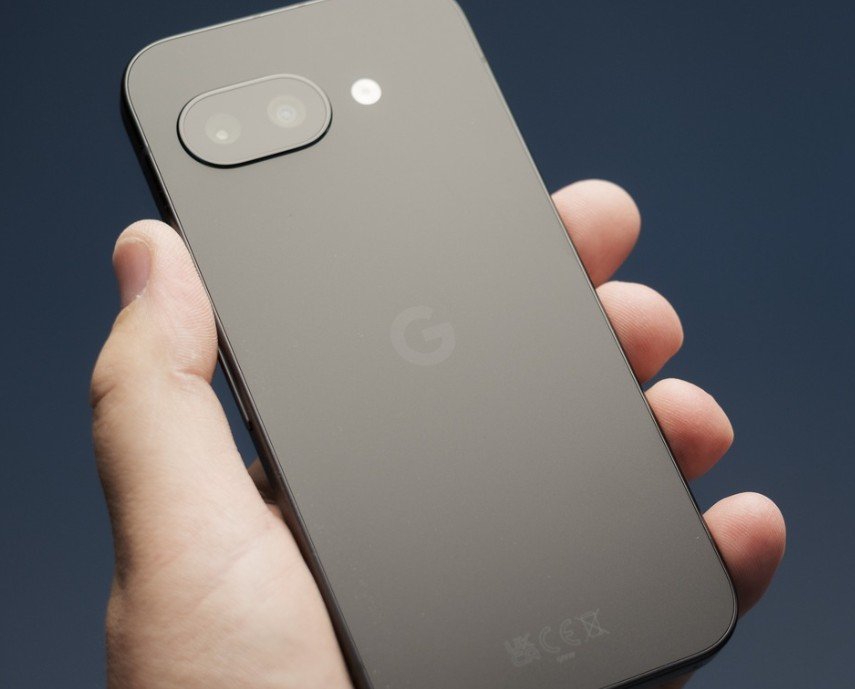
Pixel 10 phones launched with no official support for the second-generation Pixel Stand, a dock from 2021 that offers wireless charging and smart features. Google said hardware differences made them incompatible, limiting speeds to basic levels.
Before the update, clever users found a trick: the phones still charged slowly on the stand, around 10 watts. This let people keep using their existing gear without buying new stuff.
Now, after installing Android 16 QPR2, that stops working. The stand’s light flashes to show an error, and charging fails completely.
Tech experts think Google tweaked the software to enforce stricter rules on wireless charging. This lines up with their push for newer accessories that match the Pixel 10’s tech.
Many see this as a way to encourage upgrades to future stands, possibly a third-generation model coming soon.
User Frustration and Community Backlash
Pixel owners voiced their anger online right after the update. Social media buzzed with complaints about lost features they relied on.
Forums filled with stories of phones that charged fine one day and refused the next. Some users felt tricked, since Google never mentioned this in the update notes.
This sparked talks about trust in software changes. People worry that companies can remove useful tricks without notice.
- One user shared how they bought the stand expecting it to work longer term.
- Another pointed out the waste of tossing out old tech that still functions.
- A third called for Google to bring back the feature through a quick fix.
Discussions spread to places like Reddit, where threads grew with tips on alternatives. The backlash shows how much users value flexibility in their devices.
Experts note this fits a pattern where updates sometimes cut off older hardware to promote new sales. It raises questions about long-term support for accessories.
Technical Reasons for the Change
At its core, the issue stems from how Pixel 10 handles wireless charging. The phones use updated coils and protocols that differ from the older stand.
The update likely adds checks that block mismatched hardware to avoid safety risks or poor performance. Slow charging could overheat or drain batteries oddly.
Google has done similar things before, like refining camera settings or battery limits in past releases. This time, it targets charging standards.
| Feature | Before Update | After Update |
|---|---|---|
| Charging Speed on Stand | Up to 10W (unofficial) | None |
| Error Indicator | None | Flashing light |
| Official Compatibility | Not supported | Enforced block |
| User Workaround | Possible | Removed |
This table highlights the shift, based on user tests and tech breakdowns. It shows Google’s focus on tight control over device interactions.
Some believe it’s tied to new tech like Qi2 support in Pixel 10, which needs precise alignment. The old stand lacks that precision, leading to the cutoff.
Google’s Stance and What Comes Next
So far, Google has not commented directly on this change. Their update logs talk about general improvements but skip this detail.
Insiders suggest it’s part of a bigger plan to streamline the ecosystem. With rumors of a new stand in 2026, this could nudge users toward it.
For now, Pixel 10 owners must look elsewhere for charging. Options include basic Qi chargers or waiting for official updates.
This event ties into broader trends, like Apple’s moves to phase out old ports. It reminds users that software can reshape hardware use overnight.
Alternatives for Affected Users
If your Pixel 10 won’t charge on the old stand, several fixes exist. Start with checking for software rollbacks, though that’s risky.
Many turn to third-party chargers that support Qi2 for faster speeds. Brands like Anker offer affordable stands that work well.
Google’s own newer accessories might be the safest bet for full features. Keep an eye on sales for deals.
Users also suggest magnetic rings to improve alignment on various docks. This can boost compatibility without big costs.
In the end, this update shows the ups and downs of tech progress. Share your thoughts in the comments below, and pass this article along if it helped you understand the issue.