Young stars from Delhi NCR marked the International Day of Sport for Development and Peace by sharing how competition builds real connections in a divided world.
On April 6, athletes including Olympic medalist wrestler Ravi Dahiya, world champion boxer Jaismine Lamboria, rising cricketer Vansh Bedi, and Asian champion shooter Neeru Dhanda reflected on sport’s unique ability to foster unity. Their words come as global conflicts test international relations, reminding everyone that shared passion on the field often succeeds where politics fall short.
Sport as a Universal Language That Connects Strangers
Vansh Bedi knows this power well. The Delhi state cricketer and former Chennai Super Kings player sees sport as something that instantly links people.
You do not need a common language to cheer a brilliant shot or feel the thrill of a tight contest. That shared excitement creates bonds across cultures, religions, and borders. Young fans look up to athletes like Bedi. This gives players a platform to speak on respect, equality, and peace. Their messages reach millions through matches, social media, and fan interactions.
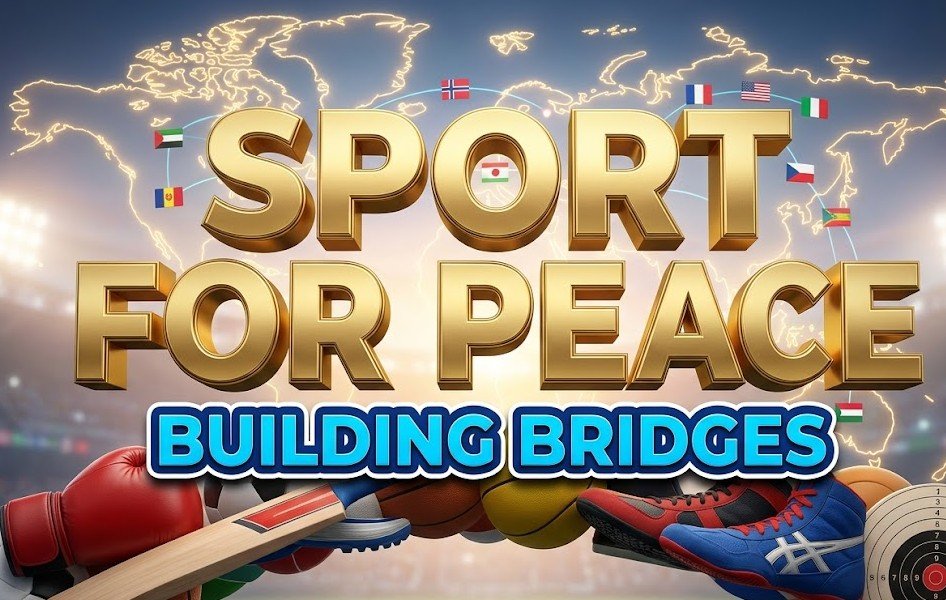
The 2026 theme for the International Day of Sport for Development and Peace, “Sport: Building Bridges, Breaking Barriers,” perfectly captures this idea. The United Nations established the day to highlight how physical activity advances health, education, and inclusion while supporting the 2030 Agenda for Sustainable Development.
In India, diverse crowds fill stadiums for cricket or wrestling bouts. Fans from different states forget differences and celebrate together. This domestic unity shows how sport can model global harmony.
Finding Purpose That Leaves Little Room for Hate
Neeru Dhanda, a trap shooting champion who won gold at the Asian Championships, views sport as a focused journey. The discipline required pushes aside negativity.
“Sports is a beautiful way in life to give yourself a purpose that you chase,” she explained. “That purpose gives you a goal and to achieve that goal you must be focused and disciplined. When there is something you are chasing, there is no time to absorb hate or spread hate.”
Dhanda points to respectful moments between rivals. Athletes from opposing nations often hug after tough contests or exchange jerseys. These gestures appear on television screens worldwide. They humanize opponents and spread feelings of peace and understanding among viewers at home.
Shooting demands precision and calm. Dhanda’s success at national and continental levels shows how individual focus translates into broader lessons about respect.
Building Tolerance Early Through Global Youth Events
Ravi Dahiya, the Tokyo Olympics silver medalist in wrestling, stresses the importance of early experiences. He recalls competing against young athletes from around the world.
“Peace building through sports can happen at the age group level,” Dahiya noted. “I remember as a young upcoming athlete, we used to travel and compete against youth teams from across the world, from different backgrounds. At first we would think that this person may speak a different language or have a different culture, but as humans we are so in sync.”
Shared passion quickly turns strangers into friends. These encounters teach tolerance, teamwork, and respect. Dahiya believes more international youth tournaments would reduce prejudice and grow compassion worldwide.
His own journey from a village in Haryana to the Olympic podium inspires countless young wrestlers. Dahiya’s story proves dedication overcomes barriers of background or resources. Programs like Khelo India help discover and nurture such talent across the country, creating pathways that mirror sport’s peace building role.
True Sportsmanship Means Competing Without Hate
Jaismine Lamboria brings a fighter’s perspective. The world champion boxer from Haryana understands intense rivalry firsthand.
“In boxing you stand alone in the ring with another person, and there is a lot of aggression and rage that you carry into that moment,” Lamboria said. “You want to knock your opponent out. In that situation it becomes very easy to start hating the person in front of you. But that is where sportsmanship comes in.”
Even amid fury, athletes remember their opponent’s shared sacrifices. Early mornings, strict diets, and personal struggles level the field. Fighters compete fiercely yet honor the opponent afterward. Lamboria’s recent gold medals at World Championships show this balanced approach leads to excellence without bitterness.
This mindset applies beyond the ring. In daily life, recognizing common challenges helps people navigate disagreements peacefully.
Here are key ways sport promotes peace and development:
- Creates neutral spaces where rivals meet as equals
- Teaches discipline and focus that crowd out negative thoughts
- Builds cross cultural friendships through shared experiences
- Amplifies positive messages through role models
- Supports community programs that address inequality and health
These principles appear in major events. The Olympics often feature truce calls during Games. Cricket matches between traditional rivals have eased diplomatic strains at times. Local initiatives use sport to bring youth from different communities together for dialogue.
India’s Young Talent Leads by Example
Athletes from the Delhi NCR region represent India’s growing sports ecosystem. They train hard while staying grounded in values of respect. Their reflections on the global day carry extra weight because they come from a country with vast diversity.
Bedi, Dahiya, Lamboria, and Dhanda show different paths in sport. Yet they agree on one core truth. Competition at its best brings people closer rather than driving them apart.
Global tensions continue in various regions. Yet these voices from India offer hope. Sport cannot solve every political problem. Still, it creates moments of understanding that politics rarely achieves.
Parents and coaches play vital roles. They can emphasize fair play and respect from the start. Schools could integrate more physical activity with lessons on teamwork across differences. Communities benefit when local clubs welcome participants from all backgrounds.
The athletes’ message feels especially timely. As fans worldwide tune into leagues and tournaments, they witness these unity moments. A brilliant goal celebrated by opposing supporters or wrestlers helping each other up after a bout carries powerful symbolism.
Sport gives purpose. It demands discipline. Most importantly, it reminds us of our shared humanity.
As the world marks another International Day of Sport for Development and Peace, these young champions from Delhi invite everyone to see the field, ring, or court as places where bridges form naturally. Their passion and insight prove that even in challenging times, sport offers a path toward greater understanding and lasting respect.