
Thousands of football fans across the United Kingdom are now having their faces scanned by live AI facial recognition cameras when entering stadiums and nearby areas as part of an expanding police surveillance programme. The controversial technology is being rolled out widely by police forces to help catch criminals and enforce public safety, but it is stirring strong debates over privacy, personal freedoms, and digital rights.
This technology has already been seen outside major sporting events and is expected to become a more common feature across the country, raising questions about its impact on everyday life, civil liberties, and how people feel when going about routine activities like watching a football match.
New Tech in Policing Used at Football Games
Live facial recognition (LFR) systems involve cameras scanning the faces of people in crowds and comparing them instantly to a database of watchlisted individuals wanted for serious offences, those with court‑ordered bans, or missing persons.
Police vans equipped with high‑tech cameras and software are stationed near stadium entrances and surrounding streets during matches and other large events, scanning thousands of faces in real time. If a match is found to a watchlist entry, officers on the ground receive an alert, who then decide whether to approach and verify identity.
Officials say this method speeds up the process of identifying suspects in crimes ranging from violent offences to people illegally barred from attending matches, and helps find vulnerable people quickly. LFR has also started to be used in town centres and city streets beyond match days, with police forces across England and Wales adding more equipped vans into their fleets.
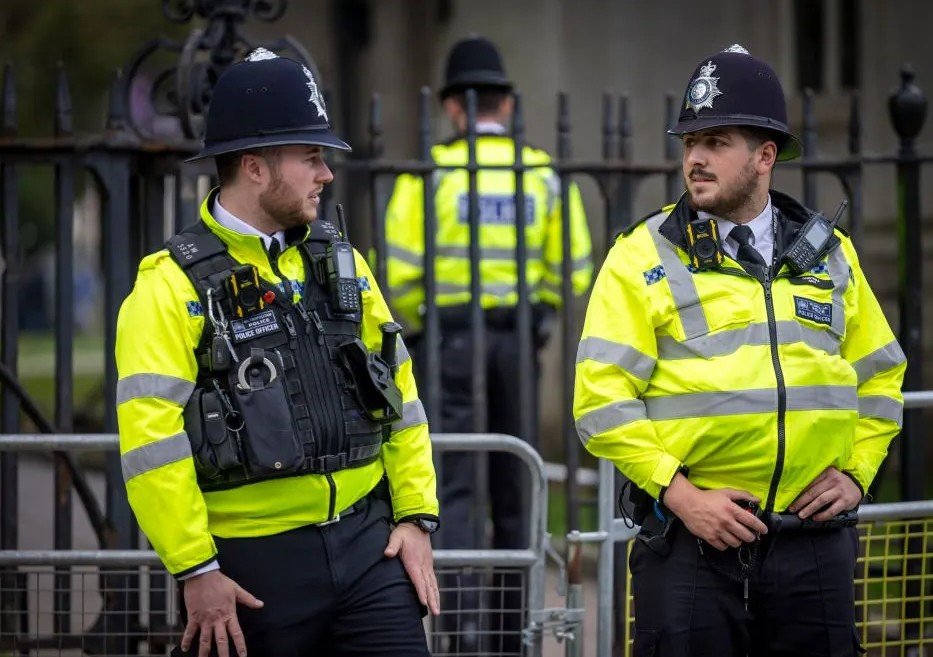
Early Successes and Police Claims
Policing authorities point to results from recent deployments to support their case. In Cardiff, the technology was used at major rugby fixtures, leading to the identification and apprehension of individuals wanted for serious crimes.
Separate local deployments in places like Watford High Street saw facial recognition operations scan over 50,000 faces and result in the arrest of four individuals wanted for offences ranging from theft to fraud. † During that operation, police said thousands of people passed through the facial scan zone, and arrests were only made when there was a clear match to a watchlist entry.
Supporters of the technology argue that targeting people already on police watchlists can act as a strong deterrent against criminal activity and reduce the time officers spend manually searching for suspects. Advocates also point out that many forces publicly announce deployments beforehand and delete biometric data immediately if no match is found.
Growing Privacy and Legal Concerns
Despite these policing claims, privacy advocates, civil rights groups, and some football fan organisations are highly critical of the rollout. Groups such as the Football Supporters’ Association and Big Brother Watch have demanded a halt and a full public review of the technology’s legality, transparency, and ethical implications.
Critics say that live facial recognition can amount to mass surveillance, making ordinary members of the public feel they are constantly monitored even without suspicion of wrongdoing. They warn this could erode privacy protections and normalise intrusive data collection in everyday life.
In recent legal developments, a High Court hearing was held over challenges to police use of live facial recognition technology, with campaigners arguing that it may breach human rights and the existing legal framework governing surveillance. A portion of the debate is focused not on banning the technology outright, but on clarifying police powers and ensuring lawful safeguards are in place before wider deployment.
Questions Over Accuracy and Bias
Another key concern revolves around reliability. Although some police data claim extremely low false alert rates, independent analysts and rights groups argue that facial recognition systems can still produce incorrect matches, particularly affecting people from minority groups or those misrepresented in databases.
These concerns are not new. Past reports have shown high rates of incorrect identifications in certain deployments, leading to fears that innocent people could be stopped, questioned, or wrongly associated with criminal behaviour. Critics say the legal framework and regulatory oversight have not kept pace with how rapidly police are adopting the technology.
Broader Rollout Across UK Policing
The expansion of live facial recognition in the United Kingdom is not limited to match days or major events. Forces like Hampshire and Isle of Wight Constabulary and others plan to use LFR vans to support local policing and catch individuals wanted for crime in town centres and other public areas.
National strategic plans also forecast an increase in integrated AI tools across policing, with proposals to equip dozens of police forces with facial recognition capability to help identify offenders more efficiently. Government documents estimate the number of LFR vans could grow from around ten to fifty, and plans to deploy the technology across all 43 police forces in England and Wales.
This wider strategy reflects a broader shift toward technology‑driven law enforcement in the UK, attempting to match modern crime challenges with digital tools. While police leaders highlight its effectiveness, the debate over rights, law, and public trust remains unresolved.
As LFR technology becomes part of public life at big sporting events and city streets alike, questions about when and how surveillance should be used are now at the forefront of national conversation. Football supporters, privacy advocates, and civil rights organisations are urging greater transparency and legal oversight before the system becomes normalized in everyday settings.
This is an ongoing issue that touches on both public safety and personal freedoms. What do you think about cameras scanning your face at football games and public spaces? Comment below with your views and share your thoughts on the evolving future of technology and privacy.