
In a major sign that the technology conflict between the United States and China is intensifying, Nvidia has stopped producing its H200 artificial intelligence chips destined for China and shifted that manufacturing capacity to its next generation of AI processors. This abrupt shift comes as export controls tighten, regulatory uncertainties grow and Beijing pushes harder for domestic semiconductor leadership. The move may reshape global AI hardware markets and signal a turning point in how US tech firms approach China’s vast but complex market.
Nvidia’s Shift Away from H200 Chips and What It Means
Nvidia has halted manufacturing of the H200 AI chips that were planned for export to China. These chips, among Nvidia’s most advanced AI processors compliant with US export rules, were expected to help the company regain footing in China’s huge data center market. Instead, the company has reallocated that production capacity at its contract manufacturer, Taiwan Semiconductor Manufacturing Company, toward making Vera Rubin, its next-generation AI architecture.
This change highlights that Nvidia no longer expects significant sales of H200 chips in China, even though the US government had approved limited exports under strict conditions. A senior US Commerce Department official noted that none of Nvidia’s H200 chips have yet been sold to Chinese customers despite the licensing framework.
Industry insiders say this outcome reflects the reality that strict export controls, complex regulatory compliance and reciprocal trade barriers have made meaningful chip exports to China highly uncertain and commercially risky for Nvidia. Many of the hurdles stem from national security concerns and geopolitical competition instead of customer demand alone.
Why H200 Shipments to China Stalled
The H200 was seen as a compromise product that could legally be sold into China under US export rules because it is technically less advanced than Nvidia’s latest AI chips like Blackwell and Rubin. In December 2025, the Trump administration shifted policy to allow case-by-case licensing for H200 exports, replacing a near-total ban. That change included requirements such as revenue sharing with the US government and strict limitations on how the chips could be used.
However, China has not fully opened its doors to H200 processors, and in some cases Chinese customs has blocked shipments, frustrating Nvidia and its supply chain. Reports suggest large orders were placed but have since stalled or been canceled as both governments reassess conditions around high-performance technology transfers.
This regulatory impasse has sapped Nvidia’s ability to convert interest into actual sales. According to trading and technology analysts, Chinese customers may have placed tentative orders that exceeded more than a million units, but these have yet to materialize into confirmed deliveries.
Impact on Nvidia’s Strategy and the Global AI Market
For Nvidia, China once represented a massive growth opportunity. In previous years, the region accounted for a sizeable share of the company’s data center revenue and was seen as a core part of its global expansion. But in the face of regulatory constraints and strategic uncertainty, the company has shifted its focus toward selling next-generation chips in markets where international sales flows are clearer.
Redirecting H200 production toward Vera Rubin chips shows Nvidia is preparing for the next phase of AI hardware demand in the United States, Europe and other allied regions. Analysts say this could accelerate the adoption of newer AI compute platforms in markets with fewer export barriers.
China’s growing domestic chip industry also factors into Nvidia’s decision. Beijing has made semiconductor self-sufficiency a strategic priority, investing billions to support local players and incentivize Chinese AI companies to adopt homegrown alternatives rather than rely on imported technologies. This push makes Nvidia’s current market entry more difficult even when regulations allow exports.
Broader US China Tech Tensions
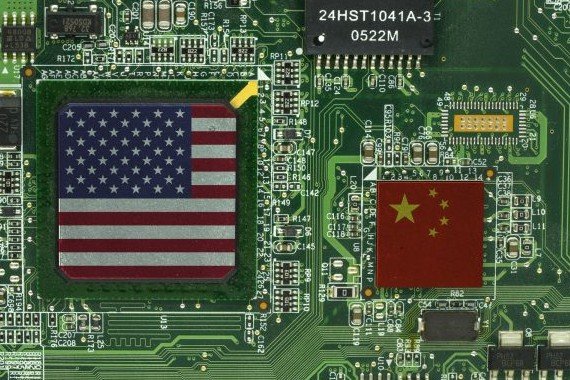
Nvidia’s halt on H200 shipments reflects larger tensions between Washington and Beijing over semiconductor technology. The US government has tightened export controls on advanced computing chips for years, aiming to limit China’s access to high-end AI capabilities that could have military or strategic applications. In turn, China has retaliated with policies that favor domestic chip suppliers and scrutinize foreign technology imports.
These tech frictions are part of a wider competition over AI leadership, supply chain security and industrial dominance. Nvidia’s decision underscores how these geopolitical pressures can shift corporate strategies overnight, especially for companies at the forefront of critical technologies.
Key Points on Nvidia’s China Chip Shift
-
Nvidia has stopped making H200 AI chips for China and moved that capacity to next-generation Vera Rubin chips.
-
US export controls and Chinese regulatory barriers have stalled meaningful sales of H200 chips.
-
China’s push for local chip alternatives further reduces demand for Nvidia’s export-compliant chips.
-
Nvidia’s strategic focus has shifted to markets with fewer regulatory obstacles and higher potential demand.
What Comes Next
Nvidia still holds inventory of H200 chips and may fulfill limited orders where permitted. But the long-term outlook for its AI chip business in China remains uncertain. As US China tech relations continue to evolve, Nvidia and other semiconductor firms will likely navigate a complex web of regulations, trade policies and market dynamics that reshape where and how advanced AI technologies are sold.
China’s tech leaders and policymakers are expected to double down on domestic solutions, which could further limit opportunities for foreign chipmakers. Meanwhile, Nvidia’s pivot toward next-generation products reflects its strategic bet that global demand for AI hardware will remain strong outside China’s restricted ecosystem.
The pause in H200 chip production for China not only highlights the realities of international tech competition, but also marks a critical moment for the semiconductor industry as geopolitical forces increasingly determine the direction of innovation and global supply chains.
Your thoughts matter. Comment below on how you think this production shift will shape the future of global AI technology and whether companies like Nvidia can thrive without the Chinese market.