
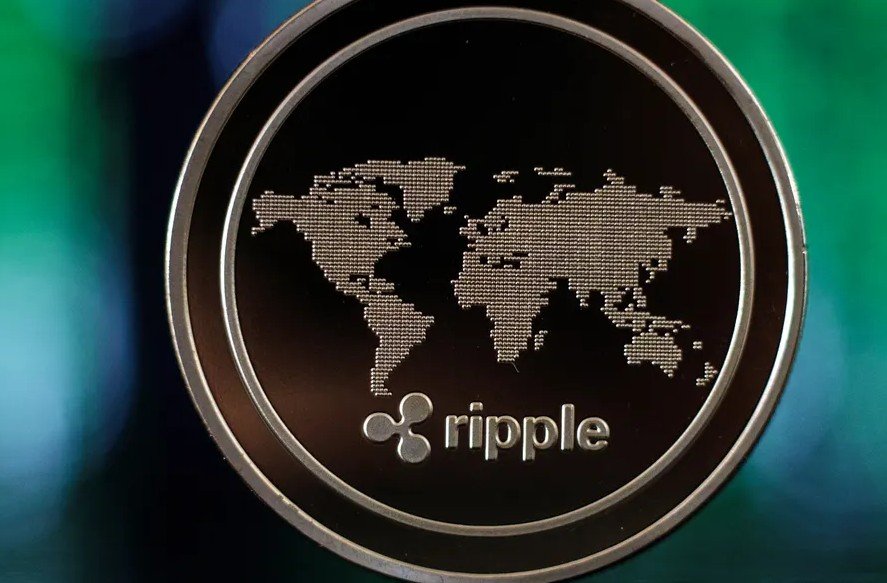
Ripple has taken a major step forward in the global payment infrastructure race by expanding Ripple Payments into a full‑service stablecoin and fiat payments platform for banks, fintechs, and enterprises. The upgrade, announced March 3 2026, injects new capabilities into its cross‑border payment solution to bring custody, collections, conversion, liquidity, and settlement into a single end‑to‑end workflow. The move could reshape how institutions move money globally and reduce reliance on old‑school banking rails. Here’s what this means for the future of global finance.
The update promises to tackle longstanding issues in global payments, such as trapped capital in pre‑funded accounts and slow settlement times, by unifying digital asset rails with traditional fiat systems under one platform. Leading banks and fintech firms around the world are already adopting the platform as Ripple pushes deeper into the institutional payments sector.
A New Era for Stablecoin Payments and Banks
Ripple Payments has historically focused on moving value across borders using blockchain rails instead of slow correspondent banking networks. With the newest expansion, institutions can now:
-
Collect payments in both fiat currencies and stablecoins
-
Hold and secure funds using managed custody services
-
Convert funds between fiat and stablecoin instantly
-
Settle payments globally in one unified system
This kind of end‑to‑end flow is notable because it eliminates the need for institutions to stitch together multiple third‑party vendors for custody, treasury automation, virtual accounts, and settlement. The platform now handles these tasks under one umbrella, streamlining operations and reducing costs for banks and fintech firms that need global payment infrastructure.
Ripple processed over USD 100 billion in transaction volume across more than 60 markets before this expansion, signaling broad adoption and demand from financial institutions that want faster settlement and better liquidity management.
How the Upgrade Works in Practice
Unified Payments Workflow
Under the expanded Ripple Payments platform, cross‑border transactions are no longer a set of disjointed steps across different systems. Instead, institutions can now use a single interface and API for the entire payment lifecycle. Key workflow features include:
-
Named virtual accounts and wallets for collections in local currencies
-
Automated liquidity management that reduces manual treasury effort
-
Real‑time exchange and settlement between fiat and stablecoins
This means a bank in Europe can collect funds in Asia in fiat, convert them into a stablecoin, and settle those funds to a partner bank in another region in minutes — all without pre‑funding accounts in the destination country.
Built on Strategic Acquisitions
Part of Ripple’s capability to offer this unified workflow comes from its strategic acquisitions of Palisade, a custody and treasury automation firm, and Rail, which provides virtual accounts and collections services. These technologies were integrated to enable secure fund custody, automated collection flows, and efficient settlement for customers across regulated markets.
According to Ripple’s announcement, the platform now applies the same operational standards and compliance frameworks for digital assets as in traditional finance. That reliability and regulatory focus will be a deciding factor for banks and larger financial firms when evaluating blockchain‑based payment solutions.
Real Customers, Real Impact
Several financial institutions have already adopted Ripple Payments with the expanded stablecoin functionality.
-
AMINA Bank in Switzerland uses the platform to power near‑real‑time cross‑border flows for institutional clients.
-
Banco Genial in Brazil and ECIB in Malaysia are among the institutions integrating the platform for faster settlement.
-
AltPayNet in the Philippines applies Ripple’s APIs for regulated payout and collection flows.
These early adopters highlight how Ripple’s expanded stack can work in varied regulatory environments, offering regulated institutions an alternative to slow traditional payment networks.
Experts note that equipping banks and fintechs with managed custody and unified holdings can be a game changer in regions where access to real‑time settlement has historically been limited or expensive. Financial providers in the Middle East, Asia‑Pacific and Latin America have shown particular interest in blockchain‑powered payment solutions as they seek to leapfrog older systems and offer global services.
Ripple’s Strategy in a Competitive Landscape
Financial institutions are increasingly looking for ways to modernize payment infrastructure in the face of rising customer demand for instant, low‑cost global transfers. Stablecoins have emerged as one of the key tools in this transformation, offering 24‑7 settlement capabilities with deep liquidity.
However, many legacy providers still require pre‑funded accounts in each settlement region — a costly and capital‑intensive practice. Ripple’s expansion aims to undercut this cost and delay by letting customers manage funds across currencies and rails in a single platform.
Regulation also remains an important backdrop. Ripple operates under a New York trust charter and holds over 75 global licenses for money transmission, ensuring compliance frameworks are in place for enterprise customers. These regulatory credentials could help the company compete with incumbents while giving financial institutions confidence when adopting blockchain‑powered solutions.
Industry analysts suggest that Ripple’s timing is strategic. With global stablecoin transaction volumes climbing and regulatory clarity increasing in many jurisdictions, financial institutions now have more incentive to experiment with digital asset rails. Ripple’s expanded platform positions it to capture a growing share of those enterprise needs.
Ripple’s expansion reflects a broader trend in the financial world where blockchain‑native infrastructure is beginning to coexist with traditional systems. Banks and fintechs that adopt such hybrid systems early may enjoy faster settlement times, better liquidity management, and lower operating costs compared with those tied solely to old‑fashioned correspondent networks.
In the coming months, watch for further partnerships and customer announcements as Ripple continues to promote its stablecoin‑enabled payments stack and compete with legacy payment providers for institutional adoption.
Ripple’s move shows how digital asset technology is evolving from niche crypto rails into core financial infrastructure that could alter the way money moves around the planet. The era of blended fiat and stablecoin settlement is underway. Banks and fintechs now have a new tool in their arsenal to make global business faster and cheaper.