
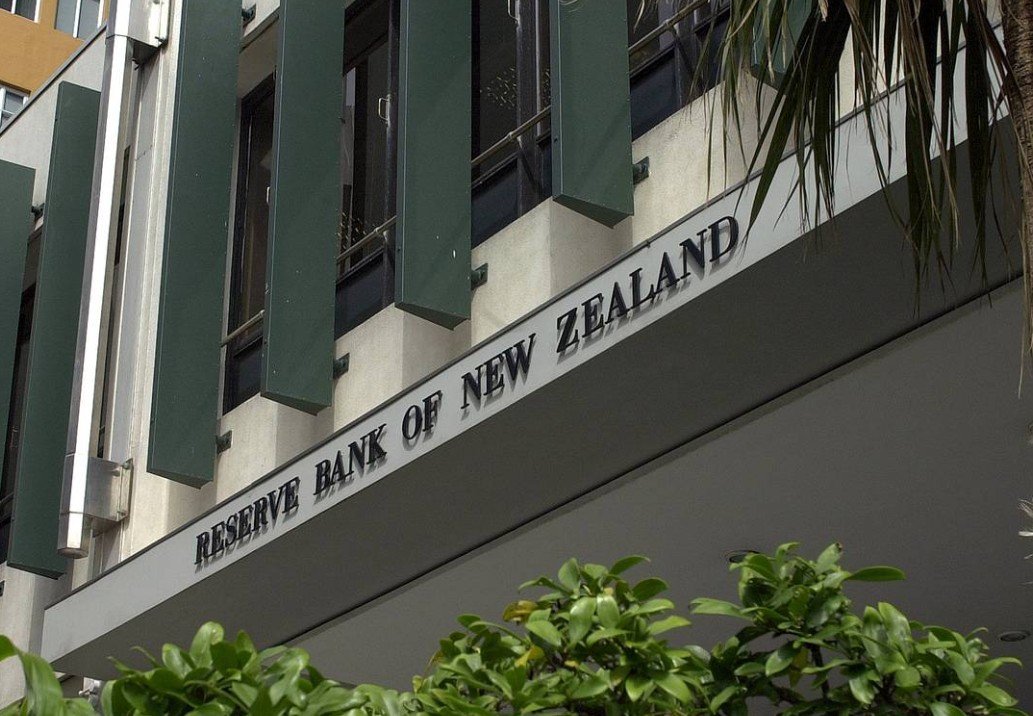
The Reserve Bank of New Zealand has sparked a fierce battle with the country’s biggest lenders. A new proposal would force banks to provide free cash services nationwide, and bankers are pushing back hard.
The plan could reshape how Kiwis access their money. But with banks warning of higher costs for customers and regulators standing firm, a showdown is brewing that will affect millions of New Zealanders.
What the Reserve Bank Wants Banks to Do
The Reserve Bank released its consultation paper on March 4, 2025, outlining a mandatory cash service standard for all banks operating in New Zealand.
Here is what the proposal includes:
- Banks must provide cash withdrawals, deposits, and swapping services across the country
- All services must be offered free of charge to customers
- An estimated 1,300 multi bank facilities would need to be set up nationwide
- The annual cost to banks is projected at $104 million
The consultation period runs until April 10, 2025. After that, the Reserve Bank will review submissions and decide how to move forward.
This proposal comes as cash use continues to decline. Digital payments now dominate everyday transactions in New Zealand. Yet the central bank argues that vulnerable communities, rural areas, and older citizens still rely heavily on physical currency.
Banks Call the Proposal Extreme
Roger Beaumont, chief executive of the New Zealand Banking Association, wasted no time responding. He called the Reserve Bank’s plan “extreme” and described it as “back to the future” thinking.
Beaumont pointed to changing consumer habits. Most transactions today are digital. Many New Zealanders, he noted, cannot even name the bird on the back of a note or coin anymore.
The banking lobby argues that building 3,000 more branches and ATMs makes no sense when demand for cash keeps falling.
“This will ultimately increase the cost of banking for all New Zealanders,” Beaumont warned.
Banks fear they will pass these costs on to customers through higher fees or reduced services elsewhere. The $104 million annual price tag is just the beginning, industry insiders say. Setup costs, maintenance, security, and staffing would add millions more.
The Seigniorage Question Nobody Is Asking
There is an obvious solution that few are discussing. The Reserve Bank could provide these cash services itself.
By law, the RBNZ is the sole supplier of New Zealand banknotes and coins. This monopoly is one of the central bank’s core functions. And it is highly profitable.
According to the Reserve Bank’s most recent annual report, seigniorage contributes $397 million per year to government revenue.
Seigniorage explained: This is the income the Reserve Bank earns by investing funds received from trading banks when they buy banknotes and coins.
Under the current proposal, banks face a strange situation. They would pay the Reserve Bank to access cash. Then they would pay again to distribute that cash through a nationwide network. Meanwhile, the government keeps earning hundreds of millions from the cash system.
Critics argue this setup puts the entire burden on banks while the government enjoys the profits.
The Reserve Bank operating its own cash distribution network would solve this imbalance. However, this option appears unlikely given the political and operational challenges involved.
Who Wins and Who Loses
Different groups will feel the impact of this decision in different ways.
| Group | Potential Benefit | Potential Drawback |
|---|---|---|
| Rural communities | Better cash access | None identified |
| Elderly citizens | Free services nearby | None identified |
| Small businesses | Easier cash handling | None identified |
| Bank customers | Guaranteed cash access | Possible fee increases |
| Banks | Regulatory compliance | $104 million annual cost |
| Government | Public trust in cash | Political pressure |
Rural New Zealanders stand to gain the most. Many live hours away from the nearest bank branch or ATM. The proposal would guarantee access points within reasonable distance of most communities.
Small business owners who rely on cash transactions would also benefit. Currently, some travel long distances just to deposit daily takings.
But everyday bank customers could end up paying. Banks rarely absorb new costs without passing them on somewhere.
A Compromise Seems Most Likely
Neither side will get everything it wants. The final outcome will probably land somewhere in the middle.
The Reserve Bank has signaled flexibility in how banks meet the standard. Shared facilities, partnerships with retailers, and mobile banking services could all count toward compliance. This would significantly reduce the number of standalone branches and ATMs required.
Banks may accept a smaller network footprint in exchange for some fee waivers or government support. The seigniorage revenue provides a potential funding source that could offset bank costs.
International examples offer some guidance. Australia, the United Kingdom, and Canada have all grappled with similar issues as cash use declines. Most have found hybrid solutions that balance access with efficiency.
The April 10 deadline will bring a flood of submissions. Industry groups, consumer advocates, and community organizations are all preparing their responses.
Whatever happens next, this debate highlights a deeper tension in modern banking. Digital innovation has made life easier for most people. But it has also left some behind. Finding the right balance between progress and inclusion remains one of the biggest challenges facing financial regulators worldwide.
New Zealanders deserve a banking system that works for everyone. Whether that means forcing banks to build new infrastructure or finding smarter alternatives, the clock is ticking on finding an answer.
What do you think about this proposal? Should banks foot the bill for nationwide cash services, or should the government step in? Share your thoughts in the comments below.