
A sweeping internet shutdown in Iran has plunged the country into digital silence for days, cutting off most citizens from the global internet and essential communication with the outside world. Experts say this blackout is not mainly due to physical damage from military strikes, but a deliberate attempt by Iran’s rulers to control information and suppress internal dissent as the country faces a rapidly escalating conflict with the United States and Israel.
The blackout, now surpassing 48 hours with connectivity at only about 1 percent of normal levels, has left ordinary Iranians isolated from family abroad, unable to follow news beyond state‑approved channels, and struggling to know what is happening to their loved ones in this moment of crisis.
Sudden Silence After Major Strikes on Iran’s Cities
Within hours of joint U.S. and Israeli military strikes on Iranian targets, including leadership and strategic sites, national internet connectivity plunged to near‑total blackout. Monitoring groups reported that Iran’s online access dropped to as low as 1 to 4 percent of typical levels, effectively severing most domestic and international communication channels.
Shortly after this collapse, analysts noted that some of the disruption might have stemmed from infrastructure damage, such as potential fibre‑optic breaks or power outages in key hubs, as seen in previous conflicts. However, digital censorship researchers agree that the breadth and timing of the blackout strongly point to a state‑engineered shutdown to limit information flow during a critical moment of conflict and unrest.
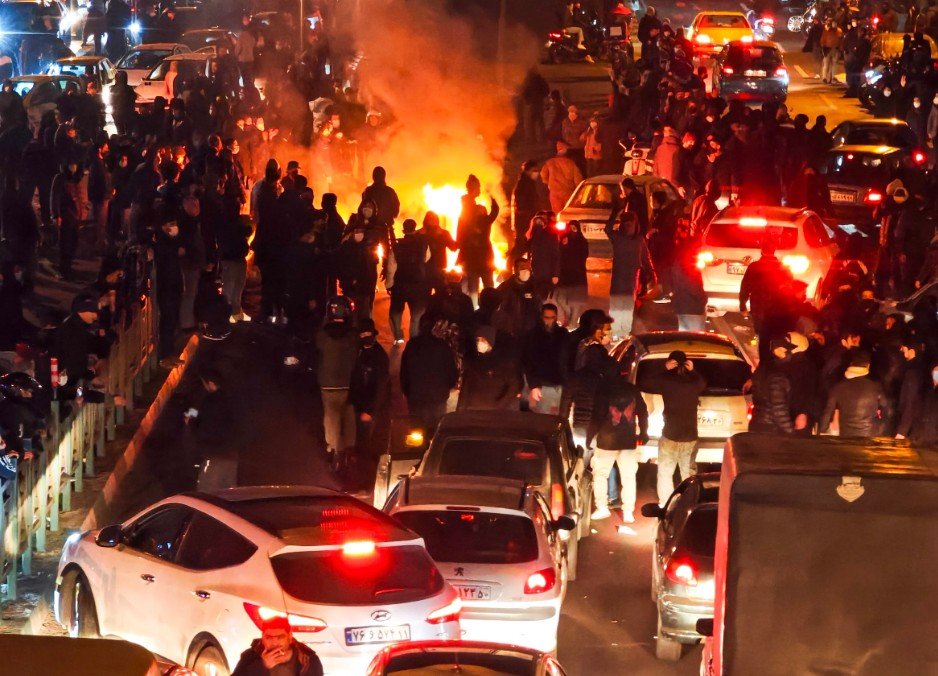
In January of this year, Iran previously imposed a lengthy nationwide blackout during widespread anti‑government protests over currency issues, which lasted nearly three weeks and severely restricted both internet and mobile communications. That earlier shutdown was widely understood as a method to suppress protest coordination and hide human rights abuses.
Experts Say Shutdown Is About Survival and Control
Digital censorship analysts and internet infrastructure specialists describe Iran’s blackout strategy as a method of political survival, not merely a response to technical damage. One expert group noted that while limited outages could come from physical destruction, the scope and coordination of the shutdown suggest it was imposed deliberately by authorities to restrict communication and prevent mobilization.
“It’s about control and possibly slowing down the demise of the regime,” said researchers focusing on digital censorship and communication dynamics. They argue that a connected population could share information rapidly, organise collective action, and expose both internal conditions and external war impacts to the world. Cutting internet access reduces all these possibilities.
Human rights organizations have also condemned Iran’s repeated internet shutdowns as serious infringements on freedom of expression, association and access to information, especially in moments when citizens are most in need of communication tools to ensure safety or document ongoing events.
Digital Isolation Compounds Human Toll of Conflict
The consequences of shutting down internet access extend far beyond inconvenience. For many Iranians, these blackouts mean:
-
Loss of contact with loved ones abroad, leaving families worried about their safety.
-
Inability to access independent news or verify government narratives about the conflict or casualties.
-
Disruption of businesses, banking and essential services, as many systems rely on web connectivity.
-
Increased censorship of journalistic or civilian reporting, blocking eyewitness accounts from reaching the world.
Internet monitoring firm NetBlocks and others have documented this pattern of shutdowns as a regime tool used not only during protests, but now during war. Such drastic information control isolates an entire society at a time when connection is critical.
The lasting human cost is profound. Iranians living abroad have described the blackout as emotionally devastating, as they struggle to hear from family members left in perilous circumstances, uncertain if power, food access, or safety is maintained.
State Censorship Tools Not New in Iran
Iran’s heavy‑handed approach to internet access is not unprecedented. Over the last several years, the regime has steadily increased digital censorship capabilities, creating a domestically controlled intranet and filtering tools that narrow what citizens can see and share. These systems often rely on advanced firewall technologies, some imported or modelled after systems used in other tightly controlled countries.
Past blockades, including a major shutdown in January and partial restrictions during protests in 2022 and 2019, demonstrated the regime’s willingness to sever digital links to quell dissent. Those past events also saw growing reliance on proxy tools, VPNs and attempts to circumvent restrictions, highlighting both how crucial internet access is to modern civic life and how disruptive its loss can be.
Satellite Internet and Circumvention Efforts Struggle to Keep Pace
During the January blackout, some Iranians turned to satellite internet services such as Starlink for connection, but authorities rapidly moved to jam or disable such links. Satellite terminals were disrupted, and in some areas even that workaround became ineffective.
Such efforts illustrate both the desperation of people to stay connected and the lengths to which the government will go to block outside information. Civilians resort to risky or makeshift communication methods, while digital censorship and national intranet infrastructure continue to strengthen government control.
Global Reaction and Concerns About Digital Repression
The international community has closely watched Iran’s internet blackouts and their implications. Human rights bodies have passed resolutions condemning the shutdown and calling for restoration, arguing that denying internet access during times of crisis violates fundamental rights.
Meanwhile, technology groups and internet freedom advocates continue to highlight the trend toward digital repression that stretches beyond Iran. They warn that breakdowns in internet access during conflict or unrest are increasingly used as mechanisms of control by regimes seeking to dominate narratives and suppress dissent.
Iran’s current blackout, at a time of open conflict with major world powers, intensifies these concerns, pointing to a dramatic evolution in how digital tools and networks are weaponised in modern warfare and internal repression.
The situation remains fluid, with no clear timeline for restored connectivity. For now, millions of Iranians remain in a digital blackout, navigating both the dangers of open conflict and the blackout that hides much of what is happening inside their own borders.