
In a striking shift in the world of money and payments, traditional banks and stablecoin wallet providers are now locked in a competition for who controls the future of digital cash. With the recent launch of cash‑to‑crypto features that let people convert physical money into stablecoins instantly, the battle over access, trust, and financial inclusion is intensifying. This contest could decide not only the future of financial services but also who holds the keys to the digital wallet of the everyday consumer.
Digital Cash Comes Alive With Stablecoins
Physical cash has long been valued for its simplicity: a bearer instrument that moves value directly without intermediaries. What stablecoins are trying to do is bring this cash‑like behavior into the digital world, but with added blockchain efficiency and programmability.
Trust Wallet’s new Cash Deposits feature is a major milestone in this evolution. Users across 48 U.S. states can now walk into thousands of retail outlets and convert physical cash into stablecoins or other digital assets right in their self‑custody wallet without needing a bank account or credit card. The funds often arrive in minutes, giving people fast access to digital value they fully control.
This launch is backed by Coinme, a licensed crypto infrastructure provider that bridges the gap between physical cash and blockchain money. The integration into a mainstream wallet makes stablecoin usage easier and more accessible for millions of people who still live on cash or lack traditional banking access, especially in underbanked communities.
The Real Fight Is for Trust and Customer Access
Experts say the battle is no longer about whether digital currencies will be adopted. It’s about who will own the relationship with the user.
Banks have deep roots in trust, compliance, and identity verification. They hold customer deposits, handle regulatory oversight, and act as the backbone of today’s financial system. For years, stablecoin innovations were framed as a challenge to this system, bringing faster settlement and lower costs than traditional bank rails.
But as one analyst put it, technology alone rarely decides winners in financial services. Instead, distribution channels and trust networks matter more. If banks integrate stablecoin capabilities into familiar banking apps and accounts, they could modernize the system while still keeping customer relationships close.
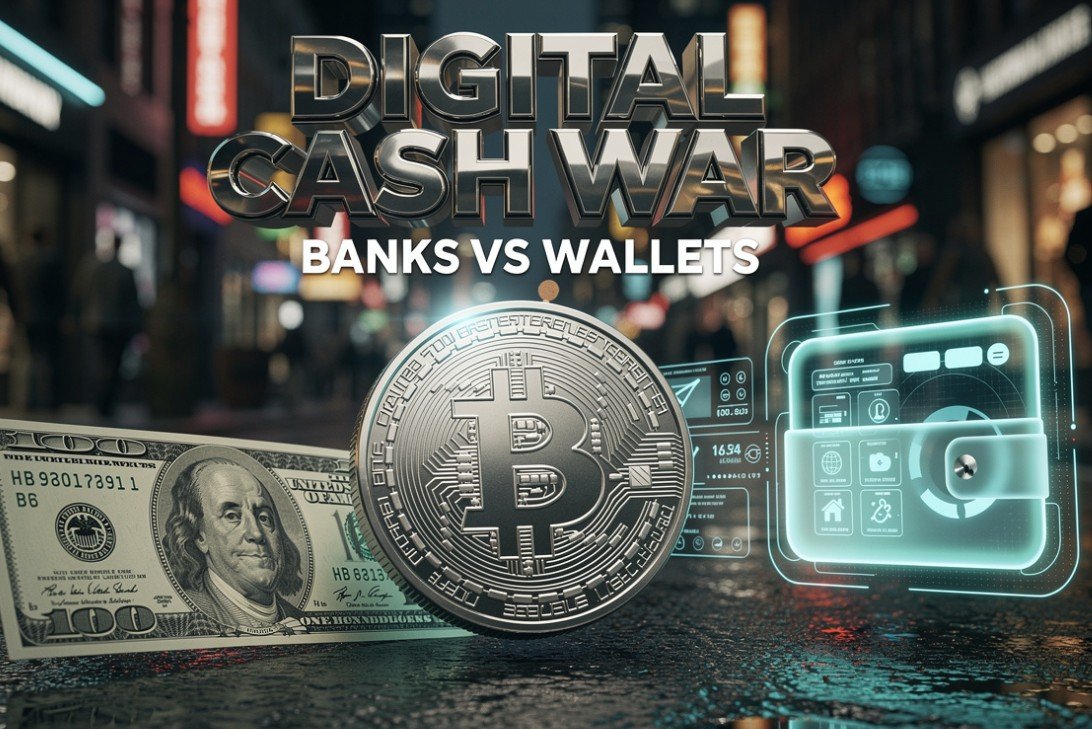
At the same time, digital wallet and crypto platforms are building alternative access points where people can enter the digital economy outside of traditional banking structures. These platforms appeal especially to users who are unbanked or prefer the autonomy of self‑custody wallets.
Who Is Winning the Trust Battle
The numbers show this is not a future issue but a current reality. Surveys suggest that approximately three out of four crypto users would open a stablecoin wallet if their bank offered one. That’s a clear indicator that trust in established financial brands still matters deeply.
At the same time, stablecoins are actively being used for real‑world activities, including remittances and cross‑border payments. Some estimates indicate stablecoin flows are rapidly growing, revealing both consumer demand and functional utility beyond trading or speculation.
What makes the competition more direct is the different strategic angles each side is taking:
-
Banks are cautious, emphasizing compliance and risk management, and some leaders have warned about the impact of stablecoins on bank deposits if they offer yield. This reflects deeper structural concerns about financial stability.
-
Crypto wallet providers, by contrast, are focusing on ease of entry and user autonomy, especially for people outside the mainstream banking ecosystem.
Bridging Cash and Digital Without Banks
Trust Wallet’s cash‑to‑crypto feature highlights a significant new frontier: the ability to enter the digital financial world straight from physical cash. It removes the long‑standing barrier of needing a bank account or debit card to access digital assets.
This approach is particularly relevant for:
-
Underbanked individuals who do not have access to traditional financial services.
-
Gig workers and cash‑centric communities where a large share of daily transactions are still done in physical currency.
-
People interested in quick digital payment use cases, such as remittances, programmable payments, or participation in decentralized finance.
By enabling users to convert cash into stablecoins and later use them for a range of financial activities — from payments to decentralized applications — this model could reduce friction and expand participation in digital finance in ways traditional banks have not addressed.
What This Means for Banks, Wallets, and Consumers
Banks’ Response
While banks face pressure from digital innovations, many are exploring how to integrate stablecoin services within regulated frameworks. Some institutions have already made progress toward national trust bank charters that could allow them to issue and manage stablecoins under direct federal oversight — a move that could bring stablecoins fully into regulated banking infrastructure.
Banks also benefit from the strong trust consumers place in established brands. If they can offer stablecoin services with familiar safety and protections, they might keep customers within their ecosystems rather than losing them to third‑party platforms.
Wallet and Crypto Platforms
Crypto wallets like Trust Wallet are driving new ways for people to interact with digital cash without traditional intermediaries. This shift could be especially appealing to users who want full control over their financial assets.
Additionally, partnerships between wallet providers and enterprise infrastructure firms such as Coinme reveal how regulated digital access can be built in concert with compliance requirements, helping balance user freedom with legal safeguards.
Consumers at the Center
For everyday users, the rise in stablecoin access options means more choice and convenience. People who were once priced out of digital finance — due to lack of banking access or complex onboarding processes — now have an accessible pathway to participate, potentially leveling the playing field.
This could reshape financial inclusion, making digital financial tools available to broader segments of the population and opening the door for novel payment and savings habits in local communities.
The Future of Money: A Layered Ecosystem
The emerging picture is not one of banks versus crypto firms in a zero‑sum fight. Instead, a layered financial ecosystem seems to be forming, with different gateways serving different needs. Traditional banks may offer stablecoin services within regulated financial accounts, while wallet providers enable flexible, decentralized access.
The real winner might be the consumer who now has multiple ways to hold, transfer, and use digital cash as part of everyday financial life. Whether it’s earning stablecoin through digital wallets or using bank‑linked stablecoin wallets, the landscape is evolving quickly and meaningfully.