
A security guard working near a Winter Olympics venue in northern Italy has died after collapsing during an overnight shift in freezing temperatures, just weeks before the Games are set to begin. Authorities say the 55-year-old suffered a heart attack and was later found in the snow.
The death has triggered official investigations and renewed scrutiny of working conditions at Olympic construction sites.
Collapse during night patrol in the Italian Alps
The guard, identified as Pietro Zantonini, was on duty at a construction site near an Olympic ice arena in Cortina d’Ampezzo when the incident occurred.
According to Italian media reports, Zantonini collapsed around 2 a.m. last Thursday while temperatures hovered near minus 12 degrees Celsius. He was working a 12-hour night shift for a private security contractor assigned to monitor the site.
His role required him to leave a heated guard cabin every two hours to conduct perimeter checks. Colleagues said that shortly before heading out on his 2 a.m. patrol, Zantonini told them he was feeling unwell.
He did not return.
Emergency response fails to save him
Initial findings indicate that Zantonini suffered a heart attack and collapsed outdoors, where prolonged exposure to the cold worsened his condition.
Paramedics were called to the scene and attempted resuscitation, but he was pronounced dead shortly after.
Local authorities have described the death as a medical emergency compounded by extreme weather conditions, though the exact sequence of events is still under review.
Zantonini was originally from Brindisi in southern Italy and had been assigned to the Alps site as preparations intensified ahead of the Games.
Olympics just weeks away in Cortina
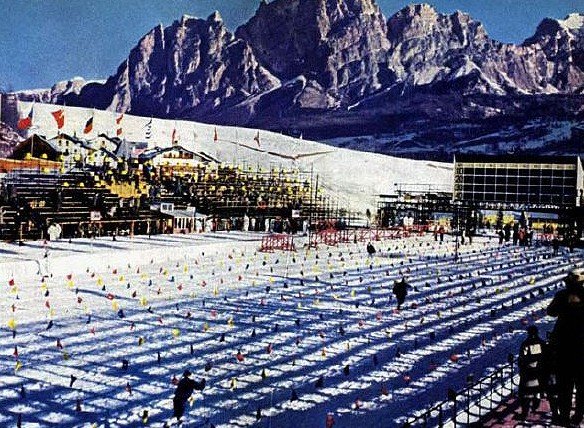
Cortina d’Ampezzo is set to play a central role in the upcoming 2026 Winter Olympics, which Italy is co-hosting with Milan.
The resort town will stage several high-profile events, including:
-
Women’s Alpine skiing
-
Curling
-
Sliding sports such as bobsleigh and luge
Competition in Cortina is scheduled to run from February 6 to February 22, leaving little margin for delay or disruption.
Zantonini’s death comes as organizers face mounting pressure to complete remaining infrastructure in time.
Officials call for investigations
Andrea Varnier, chief executive of the Fondazione Milano Cortina 2026, confirmed that early information points to natural causes.
“The information we have is that it was a death by natural cause, it was a heart attack,” Varnier told reporters. “And we are investigating.”
Italy’s Infrastructure Minister Matteo Salvini went further, calling for a “full and rigorous investigation” into the circumstances surrounding the death.
Worker safety, Salvini said, must remain a top priority as Olympic preparations accelerate.
Working conditions under renewed focus
The incident has intensified concerns about labor conditions at Olympic-related construction and security sites, particularly during winter operations in mountainous regions.
Zantonini’s shift reportedly required repeated exposure to freezing temperatures overnight, raising questions about:
-
Health screening for workers on extended night shifts
-
Cold-weather safety protocols
-
Staffing levels and emergency response procedures
Cortina officials said they were “deeply saddened and troubled” by the death and expressed condolences to Zantonini’s family.
No indication has been given so far that work at the site has been suspended.
Broader construction worries ahead of the Games
Zantonini’s death comes against a backdrop of wider unease over Olympic readiness.
In November, organizers acknowledged that there was “no Plan B” if certain venues were not completed on time. Particular attention has focused on the 16,000-seat Santagiulia Ice Hockey Arena in Milan, where construction has reportedly gone down to the wire.
Organizers insist the arena will be ready in time for the women’s hockey preliminary round on February 5, with the men’s competition scheduled to begin on February 11 and conclude on the final day of the Games.
A stark reminder before the spotlight arrives
With the Winter Olympics less than a month away, the death of a worker on an overnight shift has cast a somber shadow over preparations.
While investigators focus on medical causes, the case underscores the human cost behind large-scale sporting events, where thousands of workers labor out of sight to meet immovable deadlines.
For now, officials say the focus remains on determining exactly what happened in the early hours on that freezing night in Cortina, and whether anything could have been done differently.