
Japan’s Sumitomo Mitsui Banking Corp has asked Asian banks to reconfirm support for a major Saudi energy loan. The unusual request for the roughly $1.5 billion deal highlights fresh risks from the ongoing Iran war.
Lenders now face tough questions about doing business in a tense region. This development could test the strength of cross-border ties between Asian banks and Gulf borrowers.
Rare Move Shows Lender Pressure
SMBC started marketing the syndicated facility for Saudi Electricity Company just before the conflict escalated in late February. The Japanese bank serves as sole underwriter and has focused on Asian participants.
Commitments are due by the end of March. While such deadlines often stay flexible, the reconfirmation requests signal real concern. SMBC wants to lock in pledges before any more banks step back due to rising regional risks.
People familiar with the matter say the step is not standard. It underscores the pressure on SMBC to fully place the loan in a shaky market.
Details of the Saudi Electricity Financing
Saudi Electricity Company, known as SEC and listed under ticker 5110.SR, needs the funds for general corporate purposes. The five-year loan has a base size of $1 billion with a greenshoe option that can lift it to $1.5 billion.
Pricing sits at 100 basis points all-in, including a 75 basis point participation fee. SMBC acts as lead arranger, bookrunner, and underwriter.
This deal fits into SEC’s busy borrowing schedule. The utility raised multiple large facilities in recent months to support Saudi Arabia’s expanding power infrastructure.
Here is a quick look at recent SEC funding moves:
- January 2026: Up to $1.5 billion five-year loan led by SMBC
- October 2025: $2.85 billion syndicated facility with regional and international banks
- Earlier 2025: $1 billion five-year loan that attracted nearly two dozen lenders
These transactions help SEC maintain strong liquidity as it invests in power generation, transmission, and distribution projects across the kingdom.
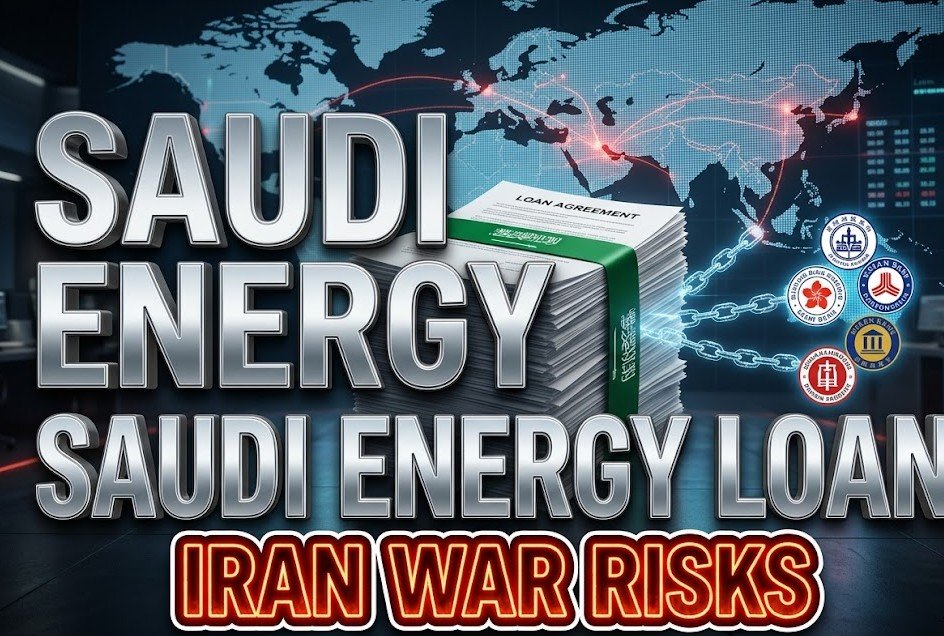
Iran Conflict Raises Stakes for Regional Lending
The war between US-Israeli forces and Iran, which began around February 28, has disrupted markets and heightened fears. Threats to economic targets, including banks, have made lenders more cautious about Gulf exposure.
Asian banks have driven much of the recent appetite for Saudi deals. Past SMBC-led facilities for SEC drew strong participation from 22 leading Asian lenders in one $1 billion transaction.
Now the mood has shifted. Reports show some banks pausing Gulf lending plans and restricting staff travel to the Middle East. Disruptions in the Strait of Hormuz add to worries about energy markets and broader economic stability.
Saudi Arabia continues to attract capital thanks to its ambitious development plans. Yet the current conflict tests how far lenders will go to support even strong credits like SEC.
The stock of Saudi Electricity Company rose 2.96 percent on the day the news broke, possibly reflecting confidence in the borrower’s fundamentals despite the external pressures.
Broader Implications for Asian Banks and Gulf Ties
SMBC has built a strong track record in connecting Asian capital with Middle East opportunities. Successful past deals show deep demand when conditions feel stable.
This situation could influence future syndications. Banks must weigh attractive pricing and solid Saudi credits against geopolitical uncertainty.
For Saudi Arabia, reliable access to funding remains key. The kingdom pushes ahead with infrastructure upgrades and energy projects to meet growing domestic needs and Vision 2030 goals.
The outcome of this loan will matter beyond one deal. It may shape how quickly Asian lenders return to the region once tensions ease.
Finance leaders watch closely. A smooth close would reassure markets that strong borrowers can still secure funds. Any major pullbacks could slow cross-border activity for months.
The situation remains fluid. Lenders, borrowers, and policymakers all navigate uncharted waters as the conflict continues.
This story reveals the tight link between geopolitics and global finance. Even the biggest players cannot ignore sudden shifts in risk. Banks must balance opportunity with caution in a connected world where distant conflicts quickly reach balance sheets.