Technology moves at a breakneck speed that often leaves us dizzy. While AI and smartphones dominate our current lives, there is a comforting simplicity found in the plastic and circuits of the past. The 1980s produced iconic hardware that defined a generation. These gadgets were not just tools but cultural markers that evoke deep memories for those who lived through the decade of neon and synthesizers.
The Sound Activated Switch That Changed Homes
Long before Alexa or Google Home could control our lights, we had a much simpler solution. The Clapper arrived in 1984 and promised a futuristic way to manage home appliances. You simply plugged the device into an outlet and then plugged your lamp or TV into The Clapper. It seemed like magic at the time.
This device became a cultural phenomenon largely due to its unforgettable marketing campaign. The commercial featured a catchy jingle that is likely playing in your head right now. “Clap on! Clap off! The Clapper!” was the earworm that solidified this gadget in pop culture history. It was designed to help those with mobility issues, but it quickly became a novelty item found in millions of living rooms.
The technology was actually quite sensitive and often flawed. Loud noises from the television, a barking dog, or even a heavy cough could sometimes trigger the lights. Despite its quirks, it represented a step toward the smart home automation we enjoy today. It gave people a sense of control over their environment without needing to leave the comfort of the couch.
- Launch Year: 1984
- Manufacturer: Joseph Enterprises
- Famous Feature: Sound sensitivity dial
- Legacy: Precursor to voice-activated smart plugs
The Four Thousand Dollar Brick Phone
We often complain about the rising cost of modern smartphones. However, the first commercially available mobile phone puts those prices to shame. The Motorola DynaTAC 8000X officially launched in 1983 and changed global communication forever. It was a massive status symbol held by Wall Street bankers and high-powered executives.
This device was affectionately known as “The Brick” because of its size and weight. It weighed nearly two pounds and stood 10 inches high. You could not slip this into a pocket. The most shocking fact is the price tag which sat at $3,995 in 1983, or roughly $12,000 in today’s currency. That immense cost bought you only 30 minutes of talk time before the battery died.
Owning one meant you had made it in life. It signaled that your time was so valuable you needed to be reachable anywhere. For Boomers who climbed the corporate ladder in the ’80s, holding that beige plastic brick brings back memories of power lunches and closing big deals. It was the grandfather of the iPhone in your hand right now.
| Feature | Motorola DynaTAC 8000X (1983) | Modern Smartphone (2024) |
|---|---|---|
| Weight | 1.75 lbs (790g) | Approx. 0.4 lbs (200g) |
| Battery Life | 30 minutes talk time | 20+ hours talk time |
| Charge Time | 10 hours | 30 to 60 minutes |
| Price | $3,995 | $800 to $1,200 |
Pocket Television Sets With Grainy Screens
Streaming movies on a crystal clear phone screen is something we take for granted. In the early ’80s, watching video on the go required a Sony Watchman. This device was a marvel of miniaturization that allowed you to take broadcast television anywhere you went.
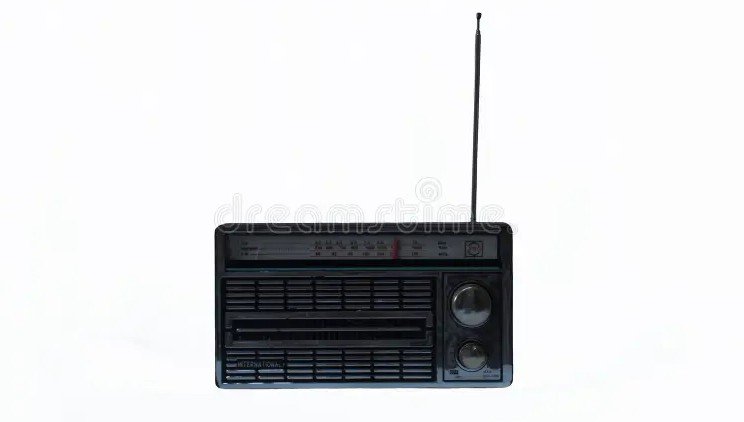
The most popular model, the FD-210, featured a bizarrely shaped cathode ray tube display. The screen was black and white and measured just about two inches. The picture was often grainy and required constant adjustment of the telescopic antenna to catch a signal. You had to physically hold the device at odd angles just to see the news or a ballgame.
Despite the poor picture quality, it felt like science fiction. Being able to pull a TV signal out of thin air while sitting at a park or riding a bus was revolutionary technology. It gave users a taste of the hyper-connected future we live in now. When digital signals replaced analog broadcasts years later, these devices became instant paperweights.
Shouldering The Burden Of Home Movies
If you grew up in the ’80s, your childhood is likely documented on magnetic tape. The camcorder boom of the decade saw fathers everywhere hauling massive recording units onto their shoulders. Companies like JVC and Sony released camcorders that recorded directly onto VHS tapes.
These units were heavy and cumbersome. They rested on your shoulder like a rocket launcher and required a significant amount of physical stamina to operate for an entire birthday party. There were no LCD screens to check your shot. You had to squint through a black and white viewfinder the entire time.
The raw nature of these recordings makes them special. There was no instant delete button or video editing software. What you shot was exactly what you kept, meaning every mistake and candid moment was preserved forever. The whirring sound of the tape zoom lens is a distinct auditory memory for anyone who stood on either side of the camera.
The Screeching Sound Of Office Productivity
The modern office is generally a quiet place filled with soft keyboard taps. The ’80s office sounded like a machine shop thanks to the dot matrix printer. Before laser printers became affordable, these noisy beasts were the standard for printing documents at work and home.
They used a print head that struck an ink-soaked ribbon against the paper. This process created a distinct, high-pitched screeching noise that could be heard through closed doors. You knew exactly when a report was being printed. The printing process was slow, loud, and often resulted in jammed machinery.
The paper itself is a source of nostalgia. It came in a continuous stack with holes along the side for the tractor feed mechanism. tearing off the perforated edges after printing was a strangely satisfying ritual. We hated them at the time for their noise and unreliability, but they represent a hardworking era of computing that laid the groundwork for the desktop publishing revolution.
There is a unique comfort in looking back at the technology that shaped our past. These devices were flawed, loud, and expensive, but they had character. They required patience and physical interaction in a way that modern touchscreens do not. For Boomers and Gen Xers, these gadgets are more than just plastic waste; they are physical touchstones to a different time in their lives.
We would love to hear your stories about the tech you grew up with. Did you have a brick phone or a noisy printer? Share your memories in the comments below. If you still have one of these items in your attic, snap a photo and share it on social media using the hashtag #80sTechNostalgia to join the conversation.