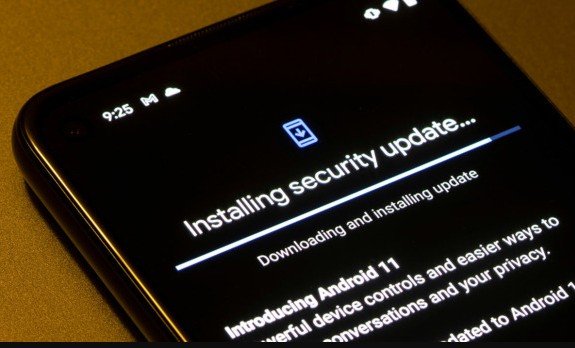
Google has issued an urgent security update for all Android users after confirming that two serious flaws are already under attack. The update, released on December 1, 2025, fixes vulnerabilities CVE-2025-48633 and CVE-2025-48572, which hackers are exploiting in targeted ways to cause remote denial of service without needing extra access.
This move comes as Android devices face growing threats from spyware and other malicious tools. Users around the world are advised to install the patch right away to protect their phones from these risks.
What the Vulnerabilities Mean for Users
These flaws sit in Android’s core framework, making them especially dangerous. Attackers can exploit them remotely, leading to crashes or service disruptions on affected devices.
Experts say such issues often start with limited attacks but can spread quickly if not fixed. In recent months, similar Android bugs have been chained with others to create more powerful exploits, putting personal data at risk.
Google noted signs of limited, targeted use, likely by advanced groups like spyware makers. This fits a pattern seen in past years, where zero-day flaws get used in espionage or targeted hacks.
The update also tackles over 100 other issues, marking one of the largest patches of 2025. This bumper release groups fixes from recent quarters, showing Google’s push to stay ahead of threats.
Key Details from the December 2025 Update
The bulletin highlights two high-severity zero-days that need no user interaction to work. CVE-2025-48633 involves an information leak, while CVE-2025-48572 allows privilege escalation.
Both can lead to remote code execution in some cases, though Google stresses the attacks seen so far are narrow. Manufacturers like Samsung and others will roll out the fixes over the coming days.
To check your device’s status, go to Settings, then System, and look for System Update. Enabling auto-updates ensures you get patches without delay.
Here’s a quick breakdown of the main fixes:
- Framework Vulnerabilities: 45 patches, including the two exploited ones.
- System Component Fixes: 32 updates to core OS parts.
- Vendor-Specific Patches: 30 more for hardware makers like Qualcomm and MediaTek.
| Vulnerability | Severity | Impact | Exploitation Status |
|---|---|---|---|
| CVE-2025-48633 | High | Info leak leading to DoS | Limited, targeted attacks confirmed |
| CVE-2025-48572 | High | Privilege escalation | Under active exploitation |
| Other Framework Issues | Medium to High | Various remote risks | No known exploits yet |
| System Bugs | Critical in some | Potential code execution | Patched preemptively |
This table shows why quick action matters. Delays in updates have led to wider breaches in the past, like the 2024 spyware waves that hit millions.
Google’s team found these through internal checks and reports from security researchers. The fixes build on lessons from earlier 2025 bulletins, where similar flaws were patched in September and March.
How Attacks Are Happening and Who’s at Risk
Reports suggest these exploits use zero-click methods, meaning no links or downloads are needed. Hackers might send crafted data packets to trigger the bugs, crashing apps or the whole system.
Targeted users often include journalists, activists, and business leaders, based on patterns from groups like NSO. But everyday users could face risks if exploits go mainstream.
In one recent case, a similar Android flaw in May 2025 was tied to ransomware attempts. Security firms warn that unpatched phones become easy targets for broader cybercrime.
Android’s open nature helps with quick fixes, but fragmentation across brands slows delivery. Pixel users get updates fastest, often within hours, while others wait weeks.
Steps to Protect Your Device Now
First, update as soon as your maker releases the patch. Google says source code goes to partners within 48 hours, so check daily.
Back up your data before installing, in case of glitches. Also, use strong passwords and enable two-factor authentication for added safety.
Avoid unknown apps and stick to the Google Play Store. Regular scans with built-in tools can spot issues early.
If your phone is older than five years, it might not get updates anymore. Consider upgrading to a model with longer support, like the latest Pixels or Samsung flagships, which promise seven years of patches.
Broader Impact on Android Security Trends
This update reflects a tough year for Android security, with over 500 vulnerabilities patched in 2025 alone. That’s up from 400 in 2024, driven by more complex attacks.
Google’s shift to quarterly omnibus updates helps, but experts call for better coordination with device makers. Delays leave billions of users exposed.
Related events, like the Chrome zero-day fixes in November 2025, show how flaws in one Google product can link to others. Users should update all apps and browsers too.
The U.S. cyber agency is expected to add these CVEs to its known exploits list soon, mandating updates for federal devices. This could push faster global adoption.
Looking ahead, Android 16, set for 2026, promises built-in defenses against such threats. But for now, staying vigilant is key.
We want to hear from you. Did you update your Android device yet? Share your experiences in the comments below, and pass this article along to friends who might need the info. Your input helps everyone stay safe.