Pricol Limited said on Saturday, June 27, 2026, that its board had cleared a scheme to demerge its Driver Information & Connected Vehicle Solutions (DICVS) business into a new wholly-owned unit called Pricol Autotech Limited. The carve-out, still subject to NCLT, shareholder and stock-exchange clearances, is structured as a 1:1 share swap, and would leave two listed companies under the existing Pricol shareholding once effective.
The DICVS unit, which builds the digital instrument clusters, e-cockpits and telematics that Pricol sells to two-wheeler, passenger vehicle and commercial vehicle makers, generated ₹2,424.63 crore in revenue in FY26. That made up 61.17% of Pricol’s consolidated turnover for the year, per the company’s disclosure. The other listed entity, Pricol Limited, will retain the company’s legacy actuation, fluid management and precision engineering businesses.
The Split Pricol Has Decided On
Pricol, headquartered in Coimbatore and listed on both the BSE (540293) and NSE (PRICOLLTD), told stock exchanges on June 27, 2026 that its board had approved a scheme of arrangement under which DICVS will be hived off into Pricol Autotech Limited. Both companies will then be listed, and the demerged entity will mirror Pricol’s existing shareholder base after the record date.
The structure follows a familiar template for Indian auto-component demergers. Shareholders of the parent receive shares in the new entity at a fixed swap ratio, regulatory approvals follow, and the new company lists separately once the scheme is effective. In Pricol’s case, every shareholder will receive one equity share of Pricol Autotech, with a face value of ₹1, for every one share held in Pricol.
The proposal still needs sign-offs from stock exchanges, the National Company Law Tribunal, shareholders, creditors and other regulatory authorities. Pricol’s June 27 stock-exchange disclosure noted that the record date for the swap and the listing timeline for Pricol Autotech would be communicated in due course.
What Each Side Will Own
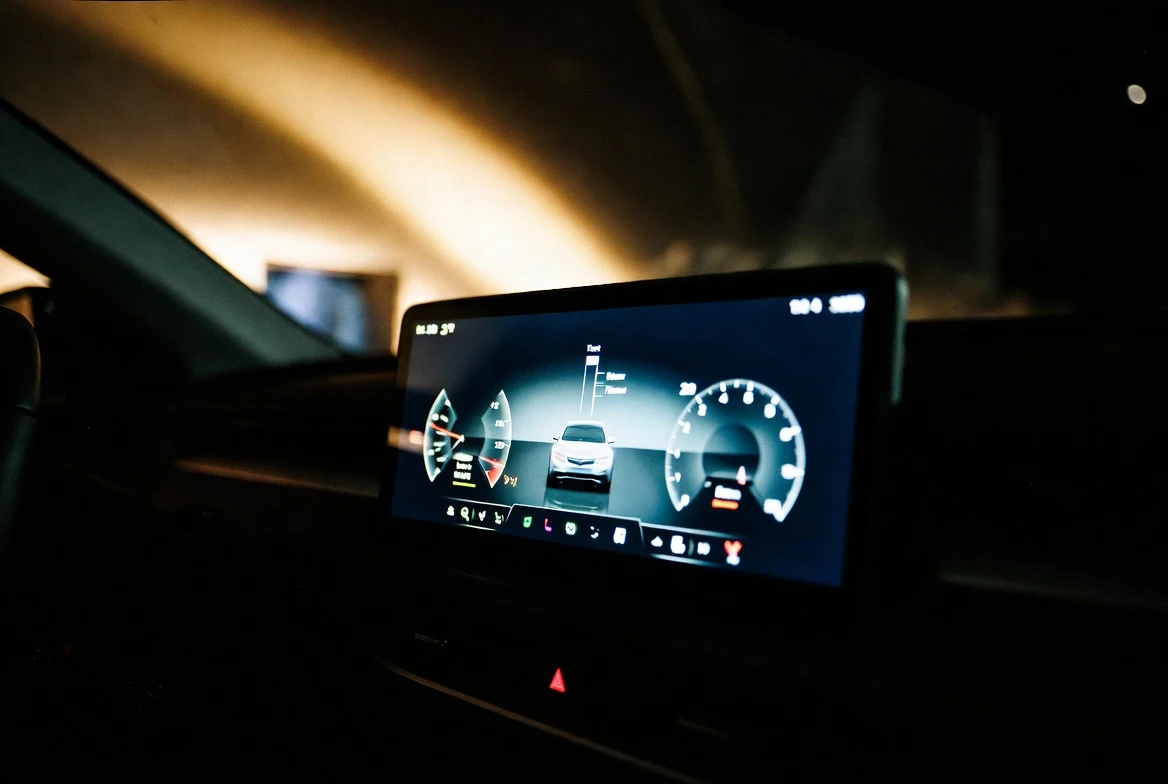
DICVS is the part of Pricol that has grown furthest from the company’s original instruments-and-controls heritage. Its products span connected, electronic, mechanical and electro-mechanical instrument clusters, integrated infotainment systems, advanced e-cockpit solutions, telematics, battery management systems and a set of sensors. Customers stretch across two-wheelers, three-wheelers, passenger vehicles, commercial vehicles, tractors and off-highway vehicles.
What stays inside Pricol Limited is a different business in scale, customer base and competitive set. The Actuation, Control & Fluid Management Systems (ACFMS) unit, supported by domestic and export footprints in fluid management and control solutions, and Precision Products (P3L), positioned around expanding demand for precision components, will continue to operate under the listed parent. Both businesses were already grouped under the listed entity; the demerger is the formal recognition that they no longer share a customer profile with the connected-vehicle side.
| Dimension | Pricol Autotech (DICVS) | Pricol Limited (ACFMS + P3L) |
|---|---|---|
| Core products | Instrument clusters, infotainment, e-cockpits, telematics, battery management systems, sensors | Actuators, control and fluid management systems, precision components |
| Customer segments | Two-wheelers, three-wheelers, passenger vehicles, commercial vehicles, tractors, off-highway vehicles | Auto and industrial OEM customers for fluid management and precision parts |
| FY26 revenue contribution | ₹2,424.63 crore (61.17% of consolidated) | Not separately disclosed in the announcement |
| Listing | Proposed listing on NSE and BSE | Already listed on NSE and BSE |
The Numbers Driving the Move
Pricol’s consolidated revenue in FY26 was ₹4,052.37 crore, of which ₹3,963.85 crore came from core operations, per the company’s filing referenced in the announcement. DICVS alone delivered ₹2,424.63 crore, which the company noted is 61.17% of consolidated turnover.
The market has priced the combined business at ₹7,105 crore in market capitalisation as of the close on Thursday, June 25, 2026. Pricol’s stock last traded on the BSE at ₹586.75 on the day of the announcement, against the previous close of ₹589.65. The shares touched an intraday high of ₹599.85 and a low of ₹579.60, with 38,149 shares changing hands across 1,015 trades and net turnover of ₹22,520,340.
The split asks investors to value each piece separately once listing happens. The demerger thesis depends on whether two focused listings draw sharper valuations than the combined entity has managed, and the first read on that question will come from how the implied share prices for Pricol and Pricol Autotech stack up against Pricol’s current market capitalisation.
Why Pricol Says Now Is the Right Time
Pricol framed the move as a response to the two businesses having grown into “differentiated platforms with distinct customer needs, competitive landscapes, technology priorities and growth opportunities.” The argument, spelled out in the disclosure, is that DICVS and ACFMS/P3L now sit in different markets, with different capital needs and different cycles. A single management team and a single board can no longer set priorities for both at once.
The company said the demerger would simplify the group’s corporate structure, enable independent capital allocation frameworks, accelerate decision-making, and improve visibility of each business’ value proposition and growth prospects. Vikram Mohan, Chairman and Managing Director, framed it as a milestone in Pricol’s growth journey.
We believe this is the right time for each business to operate independently with dedicated leadership, sharper strategic focus and greater operational agility.
Vikram Mohan, Chairman and Managing Director of Pricol Limited, said this in the company’s June 27, 2026 stock-exchange disclosure. He added that the new structure would enable both companies to pursue focused growth strategies and respond more effectively to evolving market opportunities.
The other side of the same argument, which the announcement does not address in detail, is execution risk. Demergers in Indian auto components have generally taken multiple quarters to clear NCLT, and the resulting entities often trade at discounts to their pre-listing implied valuations once supply and demand settle. The market reaction on Monday will be the first real test of whether investors agree with Mohan’s read.
What Shareholders Get and What Comes Next
The mechanics are straightforward on paper. Every shareholder of Pricol Limited on the record date will receive one fully paid-up equity share of Pricol Autotech Limited for every one share held in Pricol. Both shares will carry a face value of ₹1. The swap is structured so that Pricol Autotech’s shareholding will mirror Pricol’s once the scheme becomes effective.
Before that, several gates still need to clear. The company’s stock-exchange filing lists the demerger as subject to approvals from stock exchanges, the NCLT, shareholders, creditors and other regulatory authorities. Pricol did not give a timeline for any of the steps.
The typical sequence for a scheme of arrangement of this type runs as follows:
- Stock-exchange approvals for the draft scheme and the listing of Pricol Autotech.
- NCLT approval of the scheme of arrangement, including meetings of shareholders and creditors.
- Receipt of other regulatory sign-offs, including from Sebi and sector regulators where relevant.
- Declaration of a record date by Pricol for the share entitlement.
- Allotment of Pricol Autotech shares and listing on the NSE and BSE.
How the Stock Has Been Tracking
Pricol’s stock has been a long-term outperformer but has slipped in 2026. Over five years, Pricol shares have returned more than 500%, and over three years more than 150%, according to NSE data. The one-year return is around 31%. Calendar year 2026 has been weaker: shares are down 11.7% year-to-date, even after a 3.7% gain over the past month and a 4.2% rise in the last five sessions.
The 52-week range captures the ride. Pricol hit a high of ₹694.20 on January 5, 2026 and a low of ₹415.10 on August 11, 2025. The June 27 close of ₹586.75 sat between the two extremes, suggesting investors had already partly priced in some disappointment before the demerger announcement landed. The market’s verdict on the split will show up first in Monday’s trading, then in how the implied valuations of Pricol and the not-yet-listed Pricol Autotech compare once both are trading.
Frequently Asked Questions
What is the DICVS business that Pricol is demerging?
DICVS stands for Driver Information & Connected Vehicle Solutions. It is the Pricol unit that makes digital and electronic instrument clusters, integrated infotainment systems, e-cockpit solutions, telematics, battery management systems and sensors, sold to two-wheeler, passenger vehicle, commercial vehicle, tractor and off-highway vehicle makers. It generated ₹2,424.63 crore in FY26, or 61.17% of Pricol’s consolidated revenue.
How many Pricol Autotech shares will Pricol shareholders receive?
Shareholders of Pricol Limited will receive one equity share of Pricol Autotech Limited, with a face value of ₹1, for every one share held in Pricol on the record date. The 1:1 ratio is designed to leave Pricol Autotech’s shareholding mirroring Pricol’s.
Which exchanges will Pricol Autotech list on?
The announcement proposes a listing on both the NSE and the BSE, subject to the usual exchange, NCLT and regulatory approvals.
What approvals does the Pricol demerger still need?
The scheme still requires approvals from stock exchanges, the National Company Law Tribunal, shareholders, creditors and other regulatory authorities. Pricol has not disclosed a record date or a listing timeline.
Why is Pricol splitting into two listed companies now?
Pricol said DICVS and its retained ACFMS and Precision Products businesses have evolved into differentiated platforms with distinct customer needs, technology priorities and capital requirements. The board believes running them as separate listed entities will sharpen strategy and capital allocation.
Disclaimer: This article is for informational purposes only and does not constitute investment advice. Corporate actions, share prices and regulatory timelines can change. Readers should consult a qualified financial professional before making investment decisions related to Pricol Limited or any other security.